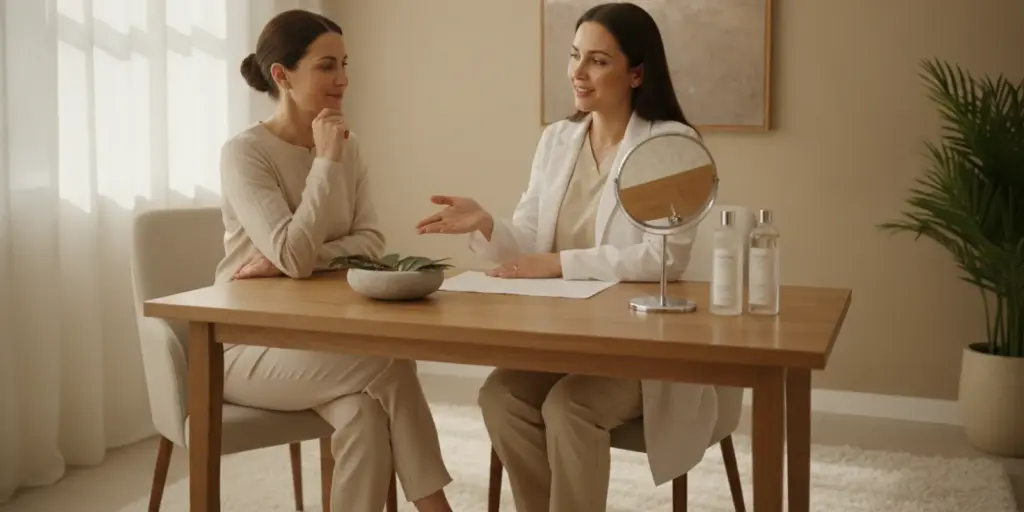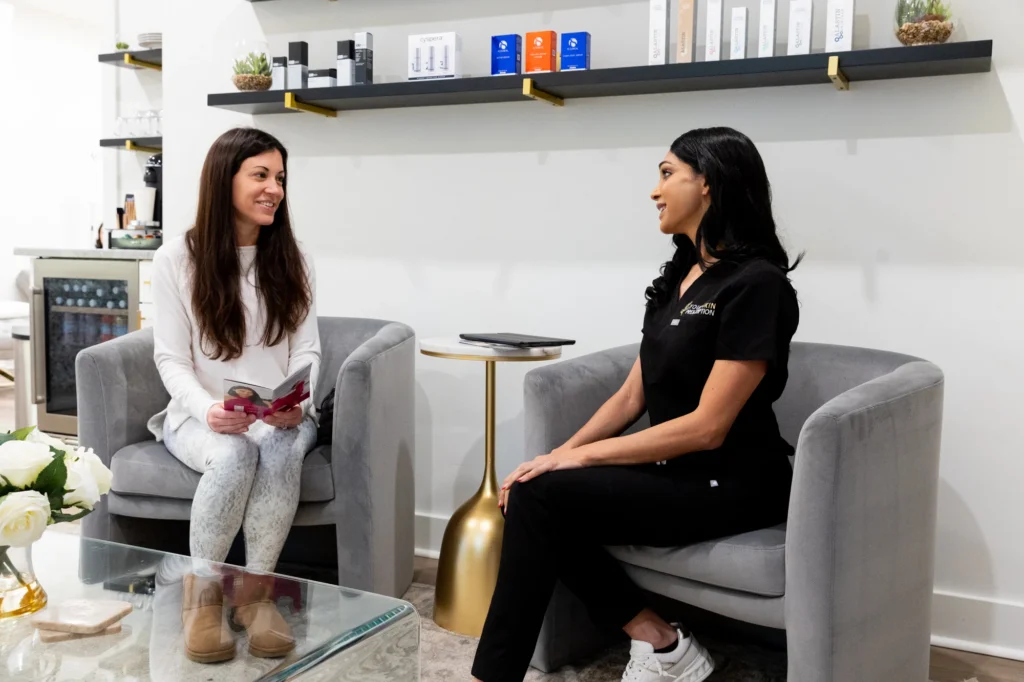
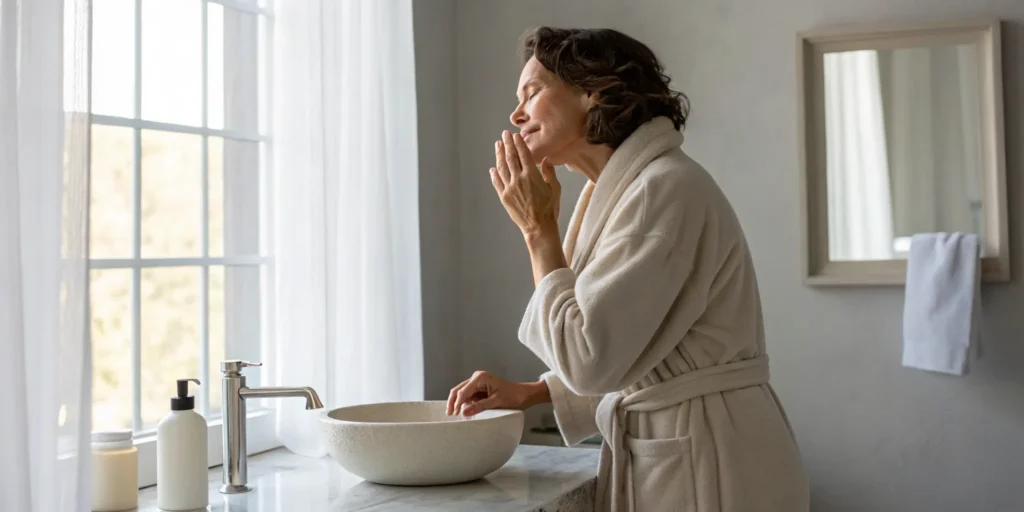
Managing rosacea can feel like a constant battle, but it doesn’t have to be. Real control starts with knowledge—understanding what your reactive skin needs to feel calm and what it needs you to avoid. When you can confidently read an ingredient label, you take back the power. This guide is your cheat sheet for building an effective skincare routine for rosacea. We’ll break down the powerhouse ingredients that soothe inflammation and point out the common irritants hiding in plain sight. It’s time to move from feeling frustrated to feeling confident in your rosacea skin care regimen.
.cta-btn{display:inline-block!important;padding:12px 32px!important;font-size:16px!important;font-weight:500!important;text-decoration:none!important;color:#4a4a4a!important;background-color:#fff!important;border-radius:40px!important;border:none!important;transition:all .3s ease-in-out!important}.cta-btn:hover{background-color:#f5f2eb!important;color:#6c6c5f!important}
Key Takeaways
- Master your ingredient list: Successfully managing rosacea is as much about what you avoid as what you use; skip common irritants like fragrance, harsh alcohols, and sulfates to protect your skin’s delicate barrier.
- Simplify your daily routine: Consistency is key, so focus on three core steps: cleansing gently, moisturizing to repair your skin barrier, and protecting with a mineral-based sunscreen every single day.
- Partner with a professional: When your at-home routine isn’t enough to manage persistent redness, professional treatments like customized facials or laser therapy can provide the targeted support needed for clearer, calmer skin.
So, What Exactly Is Rosacea?
If you’re dealing with persistent facial redness, flushing, and small, pus-filled bumps that just won’t go away, you might be experiencing rosacea. It’s a common, long-term skin condition that causes inflammation, and you’re certainly not alone in managing it. Rosacea affects millions of people worldwide, often appearing in cycles where it will flare up for a few weeks or months and then calm down again.
The most recognizable signs are redness across the nose and cheeks, visible blood vessels, and sometimes swelling or acne-like breakouts. Because of these symptoms, it’s often mistaken for adult acne or an allergic reaction. People with rosacea also tend to have very sensitive skin that can feel tight, itchy, or have a burning sensation. While the exact cause isn’t fully understood, it’s believed to be a mix of hereditary and environmental factors. There isn’t a cure, but you can absolutely manage the symptoms and reduce flare-ups with a gentle skincare routine and the right professional guidance. The first step is understanding your skin and what it needs to stay calm and happy.
How Common Is Rosacea?
If your skin’s constant redness and reactivity makes you feel isolated, know that you are in very good company. Rosacea is an incredibly common skin condition, affecting an estimated 1 in 20 people worldwide. While it can affect anyone, it’s most frequently diagnosed in women with fair skin, but it appears across all skin types and ethnicities. The fact that it’s so widespread means there has been significant research into how to manage it effectively. You don’t have to figure it out on your own. Understanding that millions of others are on a similar journey is the first step toward finding a community and the solutions that will finally bring your skin some peace.
The Different Types of Rosacea
Rosacea doesn’t look the same on everyone, which is why it can be so tricky to identify. Generally, it falls into two main categories. The first is the “acne-like” type, which is often mistaken for adult acne because it causes small or large tender pimples alongside facial redness. The second is the “redness/flushing” type. This is what most people picture when they think of rosacea—persistent redness and visible blood vessels on the cheeks, nose, and forehead, with flushing that can last for minutes or even months. It’s also possible to experience a combination of symptoms, making a professional diagnosis key to creating a truly effective treatment plan.
Symptoms Beyond Just Redness
The experience of rosacea goes far beyond what you see in the mirror. While redness is the most visible symptom, the physical sensations can be just as challenging. Many people with rosacea report a constant warming feeling, as if their face is perpetually blushing. Your skin might also feel uncomfortably dry, tight, itchy, or have a persistent burning sensation. This is because rosacea compromises your skin’s natural barrier, leaving it highly sensitive and reactive to the world around it. Addressing these symptoms requires more than just covering up redness; it means using products and seeking out treatments, like a calming medical facial, that actively soothe inflammation and help repair that essential barrier.
Identifying Your Common Rosacea Triggers
One of the most important parts of managing rosacea is identifying what causes your skin to flare up. These triggers can be different for everyone, but some are incredibly common. Think of things like sun exposure, stress, heat, spicy foods, and alcohol. Keeping a simple journal can help you connect the dots between your daily activities and your skin’s reactions.
Beyond lifestyle factors, what you put on your skin matters immensely. In fact, surveys from the National Rosacea Society show that certain skincare or makeup products can trigger symptoms for a majority of people. It’s wise to start checking labels and avoiding ingredients like alcohol, fragrance, menthol, glycolic acid, and sodium lauryl sulfate (SLS), as these are known irritants for sensitive, rosacea-prone skin.
Why Your Current Skincare Might Be Making Things Worse
Have you ever tried a popular, highly-rated skincare product only to have your skin react with redness and irritation? It’s a frustrating experience, and it often happens because rosacea compromises your skin’s natural protective barrier. This makes your skin much more susceptible to irritation from ingredients that others might tolerate just fine. Many common products, especially those designed to fight acne or signs of aging, contain active ingredients like retinoids or exfoliating acids.
While these can be great for some skin types, they are often too harsh for rosacea. Using too many active ingredients or products with stripping formulas can make redness and sensitivity even worse. That’s why building a rosacea-friendly routine isn’t about adding more products, but about choosing the right ones. Shifting your focus to gentle, hydrating, and barrier-supporting ingredients is one of the best skincare tips you can follow.
The Best Skincare Ingredients for Soothing Rosacea
When you have rosacea, reading an ingredient list can feel like navigating a minefield. The good news is that you don’t have to memorize every chemical compound. Instead, you can focus on finding products that contain a few key ingredients known for their calming and restorative properties. The goal is to choose ingredients that do two main things: reduce inflammation and support a healthy skin barrier. A strong, resilient skin barrier is your first line of defense against irritants and moisture loss, which are major concerns when managing rosacea.
Think of these ingredients as your skin’s support system. They work to soothe redness, hydrate dry patches, and gently improve your skin’s overall health without causing more irritation. By incorporating them into your routine, you can help your skin feel more comfortable and look more even-toned. It’s all about being intentional with your product choices and giving your sensitive skin the gentle care it needs to thrive. We’ll walk through some of the best ingredients to look for on your next skincare shopping trip.
Hyaluronic Acid for Deep, Gentle Hydration
If your skin feels constantly tight and dry, hyaluronic acid is an ingredient you’ll want to get to know. It’s a humectant, which is a fancy way of saying it draws moisture from the air and holds it in your skin. This is incredibly helpful for rosacea, as dehydrated skin can often make redness and irritation worse. Hyaluronic acid can hold up to 1,000 times its weight in water, providing a serious hydration that plumps up your skin and eases that uncomfortable, dry feeling. It’s gentle, effective, and gives your skin the drink of water it’s been craving, all without clogging pores or causing irritation.
Niacinamide to Calm Inflammation and Redness
Niacinamide, a form of vitamin B3, is a true multitasker for sensitive skin. Its main claim to fame is its ability to calm inflammation, which directly helps reduce the redness and swelling associated with rosacea. But it doesn’t stop there. Niacinamide also helps strengthen your skin’s natural barrier by encouraging the production of ceramides, the lipids that help keep your skin protected and hydrated. A stronger barrier means your skin is less susceptible to environmental triggers. Over time, this can lead to a more even skin tone and a calmer, more resilient complexion. It’s a gentle powerhouse that addresses multiple rosacea concerns at once.
A Note on Niacinamide Concentration
When it comes to niacinamide, you’ll see percentages ranging from 2% to 10% on product labels, and it’s natural to wonder which is right for you. While research indicates niacinamide is effective even at lower concentrations, higher percentages can offer more powerful anti-inflammatory benefits for stubborn redness. However, for sensitive, rosacea-prone skin, a slow and steady approach is always best. If you’re new to this ingredient, start with a lower concentration, around 5%, to allow your skin to adjust. Also, pay attention to the other ingredients in the formula. A product that pairs niacinamide with hydrating heroes like hyaluronic acid or ceramides will provide extra barrier support, helping to keep your skin calm and comfortable.
Azelaic Acid for Gentle Yet Effective Treatment
Don’t let the word “acid” scare you. Azelaic acid is one of the gentlest acids out there and is particularly beneficial for rosacea-prone skin. It works by reducing swelling and redness while also having mild antibacterial properties that can help with the bumps and pustules some people experience. It’s a great option for improving skin texture and calming persistent inflammation without the harshness of other exfoliants. If you’ve found that other treatments are too strong for your skin, azelaic acid might be the gentle yet effective solution you’ve been looking for to soothe irritation and clear your complexion.
Ceramides to Repair and Protect Your Skin Barrier
Think of ceramides as the mortar that holds your skin cells (the bricks) together. They are lipids that are naturally found in your skin and are absolutely essential for a healthy, functioning skin barrier. For those with rosacea, the skin barrier is often compromised, which leads to increased sensitivity and moisture loss. By using products that contain ceramides, you can help replenish what’s missing and reinforce your skin’s defenses. This helps lock in moisture, keep irritants out, and calm flare-ups. Adding ceramides to your routine is a fundamental step in building stronger, more resilient skin that is less reactive to triggers.
Aloe Vera for Instant Calming Relief
There’s a reason people have been reaching for aloe vera for centuries to soothe irritated skin. This natural ingredient is packed with vitamins, minerals, and antioxidants that provide powerful healing and anti-inflammatory properties. For rosacea, aloe vera can offer immediate, cooling relief from burning and stinging sensations. It helps to calm redness and hydrate the skin without feeling heavy or greasy. Whether it’s in your cleanser, moisturizer, or a calming mask, aloe vera is an excellent ingredient for providing that gentle, soothing touch your sensitive skin needs, especially during a flare-up.
Centella Asiatica (Cica) for Calming
If you’ve seen “cica cream” trending, there’s a good reason why it’s so popular for sensitive skin. Cica is the nickname for Centella Asiatica, a leafy green herb that has been used for centuries in traditional medicine for its incredible healing abilities. For rosacea-prone skin, it’s a game-changer. Cica is renowned for its ability to calm inflammation and soothe redness, providing immediate relief during a flare-up. More than just a quick fix, it also works to promote healing by strengthening the skin’s barrier. A stronger barrier means your skin is better equipped to defend itself against triggers, leading to fewer reactive moments over time. It’s the perfect gentle-yet-powerful ingredient for bringing peace to irritated skin.
Propolis and Oat for Soothing Properties
When your skin is feeling particularly raw and irritated, turning to nature-derived ingredients can provide immense comfort. Propolis, a resin-like substance created by bees, is a fantastic soothing agent. It’s packed with anti-inflammatory and healing compounds that can help calm the redness and discomfort that come with rosacea. Paired with oat extract, another gentle hero, you have a powerful duo for sensitive skin. Oats are well-known for their ability to hydrate and soothe, creating a protective layer on the skin that locks in moisture and reduces irritation. Together, propolis and oat offer a comforting blanket of relief, helping to restore balance to your stressed-out complexion.
Tranexamic Acid for Discoloration
While managing redness is often the primary focus with rosacea, many also struggle with lingering discoloration or an uneven skin tone. This is where tranexamic acid can be incredibly helpful. It works differently from other ingredients by targeting the pathways that lead to excess pigment production. By gently inhibiting this process, it helps to fade the appearance of dark spots and reduce the persistent redness that can make your complexion look blotchy. It’s an excellent ingredient for anyone looking to achieve a clearer, more even skin tone without resorting to harsh treatments. Think of it as the finishing touch for refining your complexion once the initial inflammation is under control.
Skincare Ingredients to Avoid If You Have Rosacea
When you have rosacea, what you don’t put on your skin is just as important as what you do. The wrong ingredients can disrupt your skin’s delicate barrier, leading to irritation and flare-ups. Becoming a savvy label-reader is one of the best things you can do for your skin. It helps you sidestep common triggers and choose products that calm and support your complexion instead of causing more redness and sensitivity.
Fragrances and Essential Oils
That lovely floral scent in your moisturizer might be a major problem for your rosacea. Both synthetic fragrances and natural essential oils are common sensitizers that can easily trigger a flare-up. When shopping, always look for products labeled “fragrance-free,” not just “unscented.” Unscented products may contain masking fragrances to cover up chemical smells. According to the American Academy of Dermatology, avoiding fragrance is a key step in managing rosacea. Your skin will thank you for choosing simple, effective formulas without any added perfumes.
Drying Alcohols
Not all alcohols in skincare are created equal, but the drying types are particularly harsh on rosacea-prone skin. Keep an eye out for ingredients like SD alcohol, denatured alcohol, or isopropyl alcohol, especially high up on the ingredient list. These are often found in toners and astringents and work by stripping away oil, which can severely dehydrate your skin and compromise its protective barrier. This leads to increased sensitivity and redness. Instead, look for gentle, alcohol-free formulas that hydrate and soothe your skin without stripping it of its natural moisture.
Harsh Scrubs and Chemical Exfoliants
While exfoliation is a key step in many skincare routines, it requires an extremely gentle approach with rosacea. Harsh physical scrubs with rough particles like nuts or seeds can cause micro-tears in the skin, leading to inflammation. Chemical exfoliants like glycolic acid and lactic acid (AHAs) can also be too aggressive, irritating the skin and worsening redness. If you feel you need to exfoliate, it’s best to get professional guidance. Our medical-grade facials are customized to be gentle yet effective for even the most sensitive skin.
Menthol, Camphor, and Other Irritants
If a product gives you a strong cooling or tingling sensation, it’s often a sign of irritation, not that it’s “working.” Ingredients like menthol, camphor, and eucalyptus are counter-irritants that can feel refreshing but are known to trigger rosacea flare-ups. They are often found in cleansers, toners, and masks marketed for blemish-prone skin. For rosacea, the goal is to keep your skin calm and comfortable. Always avoid products that create these intense sensations and opt for soothing, gentle ingredients instead.
Sodium Lauryl Sulfate (SLS)
Sodium lauryl sulfate, or SLS, is a surfactant that creates a rich lather in many cleansers, shampoos, and even toothpastes. While that foamy feeling can be satisfying, SLS is a powerful cleansing agent that can strip your skin of its natural protective oils. For someone with a compromised skin barrier from rosacea, this can be a disaster, leading to dryness, irritation, and increased redness. Always choose cleansers that are labeled “sulfate-free” to ensure you’re gently cleaning your skin without disrupting its delicate balance.
Harsh Toners and Astringents
While exfoliation is a key step in many skincare routines, it requires an extremely gentle approach with rosacea. Harsh physical scrubs with rough particles like nuts or seeds can cause micro-tears in the skin, leading to inflammation. Many toners and astringents contain chemical exfoliants like glycolic acid and lactic acid (AHAs), which can also be too aggressive, irritating the skin and worsening redness. These products often strip the skin of its natural oils, disrupting the delicate barrier that is already compromised by rosacea. If you feel you need to exfoliate, it’s best to get professional guidance. Our medical-grade facials are customized to be gentle yet effective for even the most sensitive skin.
Urea
Urea is often found in many skincare products, but it can be a double-edged sword for those with rosacea. While it has hydrating properties, it can also be irritating for sensitive skin types. At low concentrations, urea acts as a humectant, drawing moisture into the skin. However, at higher concentrations, it has a keratolytic effect, meaning it works as an exfoliant to break down dead skin cells. This exfoliating action can be too much for a compromised skin barrier, leading to irritation. It’s essential to monitor how your skin reacts to products containing urea and to consult with a professional if you experience any adverse effects.
How to Build a Simple Skincare Routine for Rosacea
Creating a skincare routine that works with your rosacea, not against it, is all about consistency and a gentle touch. The goal isn’t to use a dozen different products, but to choose a few high-quality, soothing ones and use them correctly every single day. Think of your daily routine as a calming ritual that supports your skin barrier and reduces irritation. A simple, predictable schedule helps your skin find its balance, minimizing the chances of a flare-up. By focusing on the core steps of cleansing, moisturizing, and protecting, you can build a strong foundation for healthier, more comfortable skin.
The “Less Is More” Philosophy
When managing rosacea, it’s easy to get caught up in the idea that more products will lead to better results, but the opposite is often true. Adopting a “less is more” philosophy means stripping your routine back to the essentials. This minimalist approach does two important things: it reduces your risk of exposure to a potential trigger and makes it easier to identify which products are truly helping. Instead of a complicated, multi-step regimen, focus on a gentle cleanser, a barrier-supporting moisturizer, and a daily mineral sunscreen. This creates a predictable, calming environment for your skin. Building this simple, effective routine is the cornerstone of good skin health and something our med spa memberships are designed to support through consistent, professional care.
Your Gentle AM Skincare Routine
Start your day by cleansing your face with a mild, rosacea-friendly cleanser. Using just your fingertips, apply it in a gentle circular motion before rinsing thoroughly with lukewarm water. Hot water can be a trigger, so keeping things cool is key. After patting your skin dry, it’s time to moisturize. A good moisturizer helps hydrate your skin by trapping water, which can make it feel much less irritated and sensitive throughout the day. The final, most important step is sunscreen. Apply a broad-spectrum, mineral-based sunscreen with an SPF of 30 or higher to all exposed skin. This is a non-negotiable step, even on cloudy days, to protect your skin from UV exposure.
Cleansing and Drying Techniques
How you wash your face is just as crucial as the cleanser you choose. Always use lukewarm water—never hot—as heat is a common trigger for redness. Apply a mild, sulfate-free cleanser with your fingertips in a gentle, circular motion. It’s important to avoid washcloths, sponges, or facial brushes, as the friction can easily irritate sensitive skin. After rinsing thoroughly, don’t rub your face with a towel. Instead, gently pat your skin dry with a clean, soft towel. This simple, careful approach to cleansing and drying helps protect your skin’s delicate barrier and prevents unnecessary irritation, setting a calm foundation for the rest of your routine.
Your Soothing PM Skincare Routine
Your nighttime routine is just as important for keeping your skin calm. Begin by cleansing your face again to wash away any makeup, sunscreen, and pollutants from the day. If you use a prescription medication for rosacea, this is the time to apply it. Let it absorb fully before moving on to the next step. Follow up with your moisturizer, applying it to clean, dry skin. This helps lock in moisture overnight and can prevent the stinging sensation that sometimes happens when applying products to compromised skin. Keeping your evening routine simple and focused on cleansing and hydration helps your skin repair itself while you sleep.
The Right Way to Apply Moisturizer
How you apply your moisturizer is almost as important as which one you choose. Always use your fingertips to gently smooth the product over your skin, avoiding any harsh rubbing or pulling. It’s also crucial to apply it to completely dry skin after cleansing. This simple trick can make a huge difference in preventing that stinging or burning sensation that often happens with sensitive skin. Applying moisturizer twice a day helps your skin rebuild its protective layer by trapping water and restoring essential oils. This not only makes your skin feel more comfortable but can also help your other treatments work more effectively by reducing dryness and peeling.
Don’t Skip This Step: How to Patch Test New Products
Before you introduce any new product to your face, it’s smart to do a patch test. This simple step can save you from a full-face reaction. Apply a small amount of the new product to a discreet area, like behind your ear or on your inner arm, for a few days in a row. If you notice any redness, itching, or irritation, you’ll know it’s not the right fit for you. When shopping, look for products labeled “fragrance-free,” “for sensitive skin,” and “non-comedogenic.” Getting personalized advice can also make a huge difference, which is one of the many benefits of our med spa memberships.
Choosing the Right Products for Your Skin
When you have rosacea, your bathroom cabinet can feel like a minefield. The wrong product can trigger a flare-up, leaving you back at square one. The key isn’t to pile on more products, but to choose a few high-quality, gentle essentials that support your skin barrier. Think of it as creating a simple, calming ritual for your skin. Let’s walk through the three non-negotiables for your daily routine.
How to Choose a Gentle Cleanser
Start by swapping out any harsh soaps or foaming cleansers for something much milder. Rosacea-prone skin needs a cleanser that cleans without stripping away its natural moisture. The American Academy of Dermatology recommends using a mild, rosacea-friendly cleanser and applying it gently with your fingertips in a circular motion. Avoid washcloths or cleansing brushes, which can be too abrasive. When you’re done, rinse with lukewarm (never hot!) water and pat your skin dry with a soft towel. This simple switch can make a world of difference in reducing daily irritation and redness.
Look for Mild, Non-Foaming Formulas
It’s easy to think that a rich, foamy lather means your cleanser is doing a great job, but for rosacea-prone skin, it’s often a warning sign. That satisfying foam is typically created by harsh detergents like sulfates, which strip away your skin’s natural oils and disrupt its delicate barrier. This can leave your skin feeling tight, dry, and even more irritated. Instead, opt for creamy, non-foaming formulas that gently cleanse without causing damage. When you’re reading labels, look for products that are ‘sulfate-free’ and ‘fragrance-free.’ It’s also wise to avoid irritants like alcohol, menthol, and glycolic acid, which can all make redness worse.
Find a Moisturizer That Repairs Your Skin Barrier
A healthy skin barrier is your first line of defense against rosacea triggers, and a good moisturizer is essential for keeping it strong. Moisturizing does more than just hydrate; it helps trap water in your skin and restores the protective fats that keep irritants out. For the best results, apply your moisturizer after cleansing to prevent any stinging sensation. Look for formulas with ingredients like ceramides and hyaluronic acid to calm and repair your skin. Consistent moisturizing helps your skin feel less tight, dry, and irritated over time, creating a healthier foundation for any professional treatments you may consider.
Why Creams Are Often Better Than Lotions
When you’re standing in the skincare aisle, the choice between a cream and a lotion can seem minor, but for rosacea-prone skin, it’s a significant decision. The main difference comes down to their composition. Lotions have a higher water content, making them feel lighter, while creams have a higher oil content. This is precisely why creams are often more effective for managing rosacea. They provide a thicker, more substantial barrier that is crucial for compromised skin. This barrier does two important jobs: it locks in moisture and helps to keep irritants out. By reinforcing your skin’s natural defenses, a good cream helps keep your complexion calm, hydrated, and resilient against daily triggers.
Select a Mineral Sunscreen That Won’t Irritate
If you do only one thing for your rosacea-prone skin, make it wearing sunscreen every single day. Sun exposure is one of the most common rosacea triggers. However, many chemical sunscreens can cause irritation. That’s why we typically recommend mineral-based sunscreens, which are much gentler. Look for products that list zinc oxide or titanium dioxide as the active ingredients. These mineral sunscreens create a physical barrier on your skin to block UV rays. Always choose a broad-spectrum formula with an SPF of 30 or higher, and remember to apply it even on cloudy days. It’s a simple habit that provides powerful protection.
Look for the National Rosacea Society Seal of Acceptance
If you feel overwhelmed by ingredient lists, there’s a helpful shortcut you can use when shopping. Look for the National Rosacea Society Seal of Acceptance on product packaging. This seal means a product has been reviewed by a panel of dermatologists to ensure it’s free of ingredients known to irritate rosacea-prone skin, taking some of the guesswork out of building your routine. Of course, not every great product will have the seal, which is why becoming a confident label-reader is so important. Think of the seal as a helpful guide, but your own knowledge is your most powerful tool. You can learn more about the criteria for the Seal of Acceptance program and continue to focus on simple, soothing formulas to keep your complexion calm and balanced.
Why Sun Protection Is Non-Negotiable for Rosacea
If you have rosacea, think of sunscreen as your skin’s best friend. Sun exposure is one of the most common triggers for rosacea flare-ups, causing that familiar redness and flushing to appear. This isn’t just a concern for sunny beach days; UV rays can affect your skin even when it’s cloudy or you’re sitting by a window. Making daily sun protection a core part of your routine is one of the most effective ways to manage your symptoms and keep your skin calm and happy.
Consistent sun protection helps prevent the inflammation that leads to flare-ups. Beyond just sunscreen, this means being mindful of your exposure. Simple habits like wearing a wide-brimmed hat, seeking shade during peak sun hours, and wearing UV-protective sunglasses can make a huge difference. When you do apply sunscreen, make sure it’s a broad-spectrum formula with an SPF of 30 or higher. Applying it every single day, without fail, is the key to preventing flare-ups and protecting your skin’s long-term health. At Your Skin Prescription, we can help you find the perfect sun protection to complement your professional treatments.
Mineral vs. Chemical Sunscreen: Which Is Better for Rosacea?
When you’re browsing the sunscreen aisle, you’ll see two main types: mineral and chemical. For rosacea-prone skin, mineral sunscreens are almost always the better choice. These formulas use active ingredients like zinc oxide and titanium dioxide to create a physical barrier on your skin that blocks UV rays. They are much gentler than their chemical counterparts and are less likely to cause irritation or stinging.
Another great benefit of mineral sunscreens is that they start working the moment you apply them. There’s no need to wait before heading outside. If you’ve found that sunscreens tend to irritate your skin in the past, switching to a fragrance-free mineral formula could be a game-changer for your routine.
Simple Tips for Applying SPF Every Day
Getting into the habit of applying sunscreen daily is easier when you have a simple system. Always apply your SPF as the last step in your skincare routine, right before your makeup. If you use any topical medications for your rosacea, make sure to apply those first and let them absorb completely before putting on your sunscreen. This ensures every product can do its job effectively.
Remember that one application in the morning isn’t enough to last all day. You should reapply your sunscreen every two hours, especially if you’ve been sweating or swimming. Keeping a powder or stick sunscreen in your bag can make reapplication on the go quick and easy, so you never have to compromise on protection.
How to Choose the Right SPF for Your Skin
Finding the perfect sunscreen for your sensitive skin means reading the label carefully. Look for formulas that are specifically labeled “fragrance-free,” as added scents are a common irritant for rosacea. Sunscreens containing silicone, such as dimethicone or cyclomethicone, can also be a great choice because they create a smooth, protective barrier on the skin without clogging pores.
One common complaint about mineral sunscreens is the white cast they can leave behind. To avoid this, look for micronized or tinted formulas. Micronized sunscreens use smaller particles that blend more easily into the skin, while tinted options provide a bit of coverage that can help even out redness while offering full protection.
Water-Resistant and Silicone-Based Formulas
If you lead an active lifestyle or live in a humid climate, a water-resistant sunscreen is a must. These formulas are designed to stay on your skin longer, even when you sweat, which is crucial for preventing gaps in your sun protection that can lead to a flare-up. Many of these sunscreens also contain silicones, like dimethicone, which create a silky, protective barrier over your skin. This not only helps the sunscreen adhere better but also gives it a smooth, elegant feel without clogging pores. It’s a win-win: you get durable protection that feels comfortable enough for everyday wear. Finding the right formula can feel overwhelming, but getting professional guidance can simplify the process and ensure you’re choosing the best option for your sensitive skin.
When Your Skincare Routine Isn’t Enough: Professional Treatments
A consistent at-home routine is your first line of defense against rosacea flare-ups, but sometimes it’s not enough to get the persistent redness and sensitivity under control. When you feel like you’ve hit a wall with your progress, that’s where professional treatments can make a world of difference. Working with an experienced provider gives you access to more advanced solutions and a personalized strategy. Think of it as adding a specialist to your team who can help you achieve the calm, clear skin you’re working so hard for.
Medical-Grade Facials for Sensitive Skin
If the thought of a facial makes your sensitive skin nervous, I completely understand. But a medical-grade facial is in a league of its own. Performed by a highly trained medical aesthetician, these treatments are specifically designed to soothe, hydrate, and strengthen reactive skin. Instead of using irritating fragrances or harsh exfoliants, we focus on calming inflammation with professional-grade ingredients that support your skin barrier. A customized facial can help reduce redness and build your skin’s resilience over time, making it less prone to future flare-ups. It’s a gentle, effective way to give your skin the professional care it deserves.
Using Lasers to Target Persistent Redness
For stubborn redness and visible broken capillaries that don’t seem to fade, laser treatments can be a game-changer. These advanced therapies use targeted light energy to gently collapse the tiny, visible vessels that cause persistent flushing. The result is a clearer, more even-toned complexion. While creams and serums are great for managing inflammation, they often can’t address the underlying vascular redness. A consultation with a skilled provider is the best first step to see if a laser treatment is the right solution for you. They can create a plan to effectively reduce redness with minimal downtime.
When Is It Time to See a Medical Professional?
Knowing when to call in for backup is key. If you’ve been diligently following a gentle routine but your symptoms are either not improving or getting worse, it’s time to see a professional. A provider can accurately assess your skin, confirm your rosacea triggers, and build a comprehensive treatment plan that goes beyond what you can do at home. This might include a combination of in-office treatments and prescription-strength topicals. Investing in professional guidance not only helps you get results faster but also saves you from the frustrating guesswork. Our med spa memberships are a great way to stay consistent with your professional care.
Prescription Topical Treatments
If you’ve been consistent with your gentle routine but still aren’t seeing the progress you’d like, it might be time to discuss prescription topicals with a provider. These are powerful, targeted formulas that go a step beyond over-the-counter options. For instance, a provider might prescribe azelaic acid, which is fantastic for reducing redness and the bumps that can come with rosacea. Another option is a topical antibiotic like metronidazole, which helps reduce inflammation and manage flare-ups. For those dealing with persistent pimples and pustules, Soolantra (which contains ivermectin) is often very effective at clearing the skin.
The most important thing to remember is that these are medical treatments that require a professional’s guidance. A provider can properly assess your skin and determine which medication is the right fit for your specific symptoms. They’ll also give you crucial advice on how to use it correctly—for example, always applying the product to a completely dry face to minimize potential irritation. This personalized plan takes the guesswork out of managing your rosacea and helps you achieve the calm, clear skin you deserve.
How to Know If Your Rosacea Skin Care Routine Is Working
Starting a new skincare routine can feel like a waiting game, especially when your skin is reactive. How do you know if your efforts are paying off? The key is to pay close attention to your skin and be patient. Progress with rosacea isn’t always linear, but with the right approach, you can learn to read the signs and make smart adjustments to find lasting relief.
Look for These Positive Signs
When your rosacea routine is on the right track, the first thing you’ll likely notice is how your skin feels. A successful routine should make your skin more comfortable day-to-day. You might experience less stinging, burning, or itching, especially when applying products. Visibly, you should see a gradual reduction in overall redness and fewer flare-ups. Your skin’s texture may feel smoother and more hydrated rather than tight or dry. Remember, good skincare helps calm your skin and makes any professional skin treatments you receive even more effective. These positive changes are the green flags telling you to stay the course.
How to Know When It’s Time to Make a Change
If your skin feels more irritated, tight, or dry after a few weeks, it’s a clear sign that something in your routine isn’t working. Persistent redness or an increase in bumps also indicates it’s time for a change. Before you toss a product, double-check that you’re layering correctly. For example, any medicated treatments should be applied before your moisturizer to work effectively. If your symptoms don’t improve or get worse, it’s best to stop using the new product and simplify your routine. This is also the perfect time to consult a professional who can provide personalized guidance and help you find better alternatives.
A Quick Note on Patience and Progress
It’s important to remember that rosacea is a chronic condition. The goal of your daily routine is management, not a cure. Finding the perfect combination of products can take time and may involve some trial and error. Be patient with your skin and yourself. Symptoms can sometimes return even after a period of calm, and that’s completely normal. Consistency is your best tool for keeping flare-ups at bay. By sticking with a gentle routine and seeking professional support, you can achieve long-term comfort and confidence in your skin. A med spa membership can be a great way to maintain consistent care and professional oversight on your journey.
Makeup Tips for Rosacea-Prone Skin
When you have rosacea, applying makeup can feel like a gamble. You want to cover the redness, but the last thing you need is a product that triggers more irritation. The good news is that you don’t have to choose between confidence and comfort. With the right approach, makeup can be a fantastic tool to help you feel your best while your skincare routine and professional treatments work their magic. The key is to select products that are formulated for sensitive skin and to apply them with a gentle hand. A calm, hydrated canvas is always the best starting point, which is why a consistent skincare routine is so important for a smooth makeup application.
Think of makeup as a supportive partner to your skincare, not a replacement for it. The goal is to neutralize redness and even out your skin tone without creating a heavy, mask-like effect or causing a flare-up. By focusing on specific formulations and application techniques, you can achieve a natural, flawless finish that lasts all day. It’s all about being strategic with your choices, from using color-correcting primers to selecting foundations that won’t suffocate your skin. These tips will help you navigate the makeup aisle with confidence and find products that truly work for you.
Using Color-Correcting Concealers
If you’ve ever felt like your regular concealer just isn’t cutting it, you might need to bring in a color corrector. It sounds complicated, but the concept is simple: colors opposite each other on the color wheel cancel each other out. Since green is opposite red, a thin layer of green-tinted concealer or primer is incredibly effective at neutralizing redness. The American Academy of Dermatology suggests this technique to help hide redness without caking on heavy products. Apply a small amount only to the red areas, blend it gently with your fingertip or a sponge, and then follow with your regular foundation or skin-toned concealer. A little goes a long way in creating a calm, even base.
Choosing Water-Based or Powder Makeup
The texture of your makeup matters just as much as the color. Heavy, oil-based foundations can sometimes feel occlusive on sensitive skin, trapping heat and potentially leading to irritation. That’s why dermatologists often recommend water-based or powder makeup, as these formulations are less likely to cause a reaction. When you’re shopping, become a dedicated label-reader. Look for products that are fragrance-free and non-comedogenic. Be sure to avoid formulas containing common irritants like menthol, camphor, or high concentrations of alcohol, as these can trigger flare-ups. Choosing gentle, breathable makeup ensures your skin stays comfortable while looking its best.
Related Articles
- The Best Facial Cleanser Korean: A 2025 Guide
- What Happens in a Facial: An 8-Step Guide
.cta-btn{display:inline-block!important;padding:12px 32px!important;font-size:16px!important;font-weight:500!important;text-decoration:none!important;color:#4a4a4a!important;background-color:#fff!important;border-radius:40px!important;border:none!important;transition:all .3s ease-in-out!important}.cta-btn:hover{background-color:#f5f2eb!important;color:#6c6c5f!important}
Frequently Asked Questions
If I can only change one thing in my routine right now, what should it be? Without a doubt, start with a mineral-based sunscreen every single morning. Sun exposure is the number one trigger for most people with rosacea, and protecting your skin from UV rays is the most powerful step you can take to prevent flare-ups. Find a gentle, fragrance-free formula with zinc oxide or titanium dioxide and make it a non-negotiable part of your day.
How long will it take to see results from a new rosacea-friendly routine? Patience is so important when it comes to managing rosacea. It can take at least six to eight weeks of consistent use to see a noticeable difference in your skin’s appearance. However, the first sign that your routine is working is often how your skin feels. You might notice less stinging, burning, or tightness much sooner than you see a visible reduction in redness.
Can I still wear makeup if I have rosacea? Yes, you can absolutely wear makeup. The key is to choose your products carefully. Look for mineral-based foundations and concealers, as they are typically less irritating than liquid formulas that contain oils and potential sensitizers. Always look for products labeled as non-comedogenic and fragrance-free, and be sure to gently but thoroughly cleanse your face every single night.
The word “acid” sounds scary for sensitive skin. Is azelaic acid really safe? I completely understand the hesitation, but azelaic acid is one of the kindest acids you can use. It’s known for its anti-inflammatory properties, which makes it uniquely suited for calming the redness and bumps associated with rosacea. Unlike stronger exfoliating acids, it works very gently to improve skin texture and reduce irritation, making it a trusted ingredient for even very reactive skin.
Are professional treatments like facials really necessary? While a solid at-home routine is the foundation of good rosacea management, professional treatments can provide a level of care that you just can’t achieve on your own. A medical-grade facial, for example, is completely customized by a medical aesthetician to soothe your specific concerns using potent, calming ingredients. These treatments help strengthen your skin’s barrier and build resilience, making your daily routine even more effective.

Rain Hoffmann is the founder of Your Skin Prescription, a modern med spa in Sewickley, PA. With a passion for advanced skincare and aesthetics, she specializes in Korean facials, medical facials, laser treatments, and results-driven skin care. Rain is dedicated to providing a pampering, stress-free experience in an elegant and welcoming environment.