
Successful injectable treatments depend as much on your recovery routine as the skill of your provider. Your skin needs time and the right environment to settle after receiving Botox or dermal fillers. These first few days are vital for ensuring your results look natural and last for a long time.
Effective post injectable skincare aftercare involves a combination of immediate physical restrictions and a modified topical routine to protect your results. The Cleveland Clinic advises patients to stay upright for four hours after neuromodulators like Botox to prevent the product from migrating. You must also avoid touching the treated area for twenty four hours and skip hard exercise for two days to reduce swelling. Your daily routine should focus on gentle, fragrance free products while you avoid active ingredients like retinol for several days. Consistent sun protection with a mineral based SPF is also vital for protecting the skin as it heals. Following these steps helps your injectables settle correctly so your results look smooth and natural for months to come.
Ready to protect your injectable investment? Schedule a consultation with Your Skin Prescription in Sewickley or Pittsburgh today.
Understanding these basic rules is the first step toward maintaining a glowing and refreshed look. Many patients focus only on the treatment day, but the following week is just as vital. Here is a closer look at Why Post-Injectable Skincare Aftercare Matters.
Post Injectable Skincare Aftercare: Why Post-Injectable Skincare Aftercare Matters
Injectable treatments like Botox, Dysport, and dermal fillers have become the most popular non-surgical ways to refresh your look. At Your Skin Prescription, we see many clients in Sewickley and Pittsburgh choosing these services for their reliable results. But getting the best outcome does not end when you leave our office. Proper post-injectable skincare aftercare is a vital part of your treatment plan. Following these steps helps your skin heal and ensures your results look their best for months.
Post injectable skincare aftercare matters because it directly affects how well your results settle and how long they last. The first 48 hours are the most critical window for preventing product migration, reducing swelling, and protecting your skin barrier.
From passive recovery to active support
In the past, many people thought of recovery as just avoiding a few things for a day or two. Today, clinical views have changed. Experts now see aftercare as active recovery support for the skin. This means using the right products to help the skin settle after the medical professional finishes the work. When you take care of your skin at home, you help the product stay exactly where it should. This step is as key as the injection itself. You can read our complete injectables and fillers guide to learn more about how these treatments work.
Protecting your injectable investment
Every injectable treatment is a choice to invest in your skin and your look. Good aftercare helps protect that choice by stopping common side effects. For example, staying upright helps keep the product in the right place. Also, avoiding heavy work or heat reduces the risk of bruising or extra swelling. These steps help the product settle into the tissue in the best way. When you follow the rules from your provider, you ensure the smooth and natural look you want. This care helps your skin look great while the treatment does its job.
Supporting long term skin health
Great aftercare does more than just stop a bruise. It sets the stage for healthy skin over time. Using gentle soaps and staying out of the sun keeps the skin barrier strong while it heals. This slow and steady approach leads to better results over the weeks that follow. It also makes your next visit easier. By building a solid habit of care, you support the health of your face for years to come. Our team guides you through every step to make sure you feel sure about your home routine.
What Should You Do Immediately After Injectable Treatments?
The time after your visit to our Pittsburgh skin center is key. While these treatments are fast, your body needs time to heal. Good care helps you avoid side effects like bruising or swelling. Our team at Your Skin Prescription wants you to have a great time and see the best results. Using a few simple rules in the first 48 hours can make a big change in how you look. It also helps your skin feel more at ease as it heals.
Immediately after injectable treatments, stay upright for four to six hours, apply cold compresses to manage swelling, avoid touching the treated area for 24 hours. Skip makeup for at least four hours, avoid strenuous exercise for 24 to 48 hours, and stay away from heat sources like saunas and hot baths.
Your First Few Hours
Your healing starts the moment you leave our office. Treatments like Botox treatments at Your Skin Prescription need a soft touch. Your staff will give you a clear list of things to do. These rules help the product stay in the right spot so it can work well. Most people can go back to their day right away. But you should still be careful with how you treat your face and body.
Key Aftercare Steps
Follow these steps to help your skin heal well after your visit. This plan helps the product settle and keeps your skin safe.
- Stay upright for at least four to six hours after your session. Keeping your head up helps the product stay where it was put by your staff. The Cleveland Clinic says this step helps prevent the drug from moving to other muscles. If the product shifts, it could lead to drooping in areas you did not want to treat.
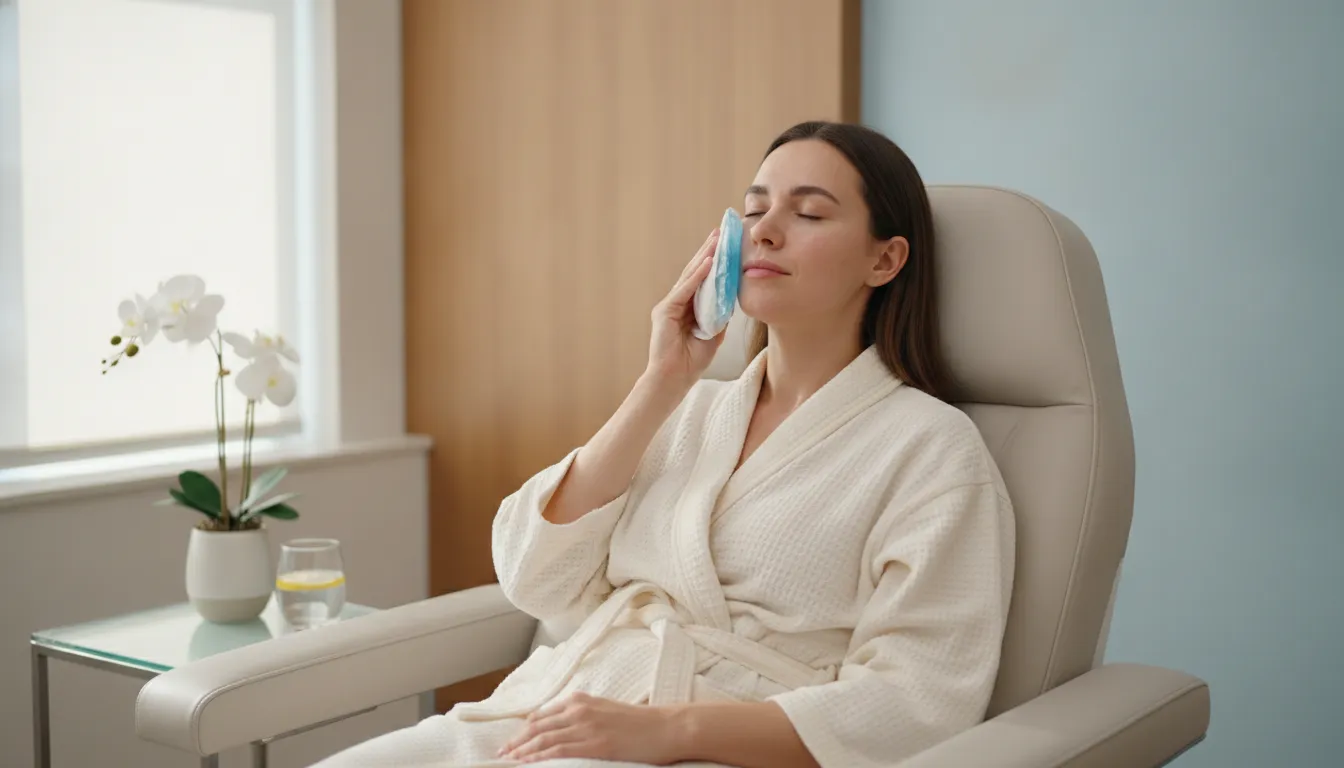
- Use a cold pack to handle swelling or small pains. Put ice on for ten to fifteen minutes at a time. This helps calm the skin and keeps bruising low by shrinking blood vessels. Be sure to use a clean cloth between the ice and your skin to protect your face.
- Do not touch or rub the treated area for at least one full day. Pressure can cause the product to move away from the target spot. Keeping your hands off also helps keep the small skin breaks clean and free of germs. This lowers your risk of skin issues while you heal.
- Skip your makeup for at least four to six hours. Your skin needs time to close the small spots where the needle went in. Using brushes or sponges too soon could push germs into those spots. If you can wait until the next day, that is even better for your skin health.
- Avoid hard work-outs for 24 to 48 hours. Fast work or heavy lifting sends more blood to your face. This extra blood can lead to more swelling and bruising in the areas we treated. It is best to stick to light walks until your skin has time to settle.
- Stay away from high heat for the first few days. This means no hot baths, saunas, or steam rooms. Strong heat can open your blood vessels and make swelling worse. It is best to stick to cool or lukewarm water when you wash your face or shower.
Protecting Your Look
Rest is a big part of your plan. When you go to sleep on your first night, keep your head up with an extra pillow. This small change helps fluid move away from your face and reduces morning swelling. Also, do not drink alcohol for at least 24 hours. Drinks like wine, beer, or liquor thin the blood. This can make bruising more likely and easier to see. If you want to learn about dermal fillers available at Your Skin Prescription, we can help. Our team is here to guide you through every step of your skin care path. We want you to feel sure and happy with your choice.
Botox and Neuromodulator Aftercare: Key Differences
Injectable treatments like Botox, Dysport, and Xeomin are known as neuromodulators. These products work by relaxing the muscles that cause fine lines and wrinkles. While the treatment itself is quick, your steps after the visit play a big role in your results. Following the right plan helps the product settle where it should. It keeps your skin looking its best and prevents side effects.
Neuromodulator aftercare focuses on keeping the product exactly where it was injected. The key rules are staying upright for four to six hours. Avoiding muscle activity in the treated area, and waiting three to five days before reintroducing active skincare ingredients.
Most patients have very few issues after their session. Bruising is the most common side effect of Botox and similar injections. This happens most often in areas with many blood vessels, such as around the eyes or mouth. You may also see small bumps or slight swelling at the injection sites. These signs are normal and usually go away on their own within a few hours or days.
Seeing Your Results
You will not see your full results the moment you leave the office. Most people start to notice a change in their skin within three to seven days after their visit. It takes time for the product to fully relax the target muscles and smooth the skin surface. According to the Cleveland Clinic, these results usually last for about three to four months. Once the effects wear off, you will need a touch-up visit to maintain your look.
Every person is different, so your results may vary based on your age and skin type. Factors like your muscle strength and how your body works can also play a role. If you want to plan your next visit, it helps to know how long Botox results typically last for most patients. Keeping a steady schedule ensures your skin stays smooth and youthful. This approach prevents new lines from forming while treating the ones you already have.
Rules for the First Day
The first 24 hours after your visit are the most vital for a good outcome. You must stay upright for four to six hours after your injections. This simple step prevents the product from moving to other parts of your face. You should also avoid touching or rubbing the treated spots. Skip any hard workouts or heavy lifting for at least 24 hours. Extra blood flow can increase swelling and make bruising more likely.
Avoid hot baths, saunas, and steam rooms during this time as well. Heat can cause your skin to flush and may interfere with the settling process. For the best care, we recommend Botox treatments at Your Skin Prescription where our pros guide you. We want to make sure your treatment stays exactly where it was placed. This helps you get a natural look without any risk of migration.
Caring for Your Skin
Your skincare routine should be very simple for a few days. After 24 hours, you can go back to washing your face. Use cool or lukewarm water and a mild soap that does not have any scent. Avoid hot water, as heat can lead to more swelling. When you are done washing, gently pat your skin dry with a soft towel instead of rubbing it. This prevents irritation and keeps the skin calm as it heals.
Wait three to five days before you use strong products like retinols or acids. These items can irritate your skin while it heals from the needle pokes. You can find a range of options like Botox, Dysport, and Xeomin at our Pittsburgh med spa to suit your goals. Our team helps you pick the right products to use at home to support your office visits. Proper care helps you maintain a healthy glow.
Dermal Filler Aftercare for Best Results
Dermal fillers are a top choice for people who want to restore volume to their face. These treatments use hyaluronic acid to smooth lines and lift the skin. While the procedure is quick, how you care for your skin after matters. Choosing the right dermal fillers available at Your Skin Prescription can give you a fresh, natural look.
Dermal filler aftercare requires extra attention to managing swelling, which peaks in the first 48 hours. Avoid pressure on the treated area, sleep on your back with your head elevated, skip strenuous exercise for two days, and use cold compresses to reduce swelling. Results typically last 9 to 18 months.
Manage Swelling and Bruising
You should expect more swelling with fillers than with other shots like Botox. This happens because the volume of product used is larger. Most swelling peaks in the first two days after your visit. You can use a cold pack on the area for ten minutes at a time to help. This simple step keeps you comfortable and helps the skin heal fast.
Bruising is also a common side effect of these treatments. To help with this, you can use arnica in a cream or pill form. This natural remedy helps reduce bruising and skin marks after your visit. Avoid alcohol for 24 hours before and after your session. Alcohol thins the blood, which can make bruising much worse.
Protect the Treated Area
How do you keep your new filler in the right place? You must avoid putting pressure on the treated skin. Do not rub or massage the area for at least one day. Your medical professional will set the filler in the best spot. Moving it by force can change your results. It is also best to avoid hard workouts for two days after the shots.
Your sleep habits play a role in your healing too. You should avoid sleeping on the treated side of your face for the first night or two. Try to sleep on your back with your head up. This helps prevent uneven pressure on the filler as it sets. It also helps keep swelling down so you can see your final look soon.
Expect Long Lasting Results
One of the best things about fillers is how long they last. Most results stay visible for 9 to 18 months. The exact time depends on the product used and the area treated. Your body slowly breaks down the hyaluronic acid over time. Regular touch-ups can help you keep your glow without any sudden changes to your look.
Your provider will guide you on the best timeline for your next visit. They can create a plan that fits your skin goals and style. By following these easy steps, you can enjoy a smooth and youthful look for a long time. Caring for your skin today ensures you get the most out of your dermal filler session.
Biostimulator Aftercare: Sculptra and Radiesse
Biostimulators like Sculptra and Radiesse help your skin grow its own collagen. Unlike other fillers that give a quick lift, these work slowly. They act as a base for new tissue growth. This leads to a natural look that can last for a long time. Good post injectable skincare aftercare is key to helping these products work. It helps the skin stay healthy as it builds new proteins.
Biostimulator aftercare differs from standard filler aftercare because these products stimulate your body to produce collagen over time. The Sculptra five-five-five massage rule and diligent sun protection with SPF 30 or higher are essential for optimal results that last one to two years.
How Biostimulators Work Slowly
The big difference with biostimulators is how long it takes to see the change. Since your body has to build new skin proteins, you will not see the final look right away. Most people see a small shift that gets better over a few months. This slow change is great for those who want a natural glow. It is a steady path to firm skin that looks like you. You should plan for a few visits to get the best result.
Most people need more than one visit to reach their goals. For Sculptra, three to six sessions are often needed. Radiesse usually takes two or three sessions. You should space these about one month apart. Doing this helps you get the most out of your care. The Cleveland Clinic notes that steady care can help your results last much longer. This ensures your skin stays thick and healthy for a long time.
Massage and Daily Care Rules
Aftercare for these products often includes massage. For Sculptra, your provider may tell you to use the five-five-five rule. This means you massage the area for five minutes, five times a day, for five days. This step helps the product spread out in a smooth way. It prevents small bumps from forming under the skin. It also helps the new collagen grow in a flat, even layer across your face.
Radiesse care is a bit different but still very vital. You should not press hard on your face for the first two days. It is best to use a mild soap and a simple cream to keep the skin moist. Stay away from strong skin products like retinols for five days. This gives your skin time to rest and heal after your visit. Our team in Sewickley will give you a full list of steps to follow after your care.
Protecting Your New Collagen
Sun care is vital to keep your new skin growth healthy. Sunlight can break down the collagen your skin is trying to build. You should use a mineral sun cream with SPF 30 every day. This keeps your skin safe and helps the results stay for one to two years. If you are ready to start, you can schedule a consultation with Your Skin Prescription. We can help you pick the best plan for your needs.
Post-Injectable Skincare Products and Routine
The right products help your skin heal after a visit to Your Skin Prescription. While you may want to keep your normal routine, some changes are needed for a few days. Using the wrong items can lead to more redness or swelling. Your medical provider will give you a list of safe choices to keep your skin calm and glowing.
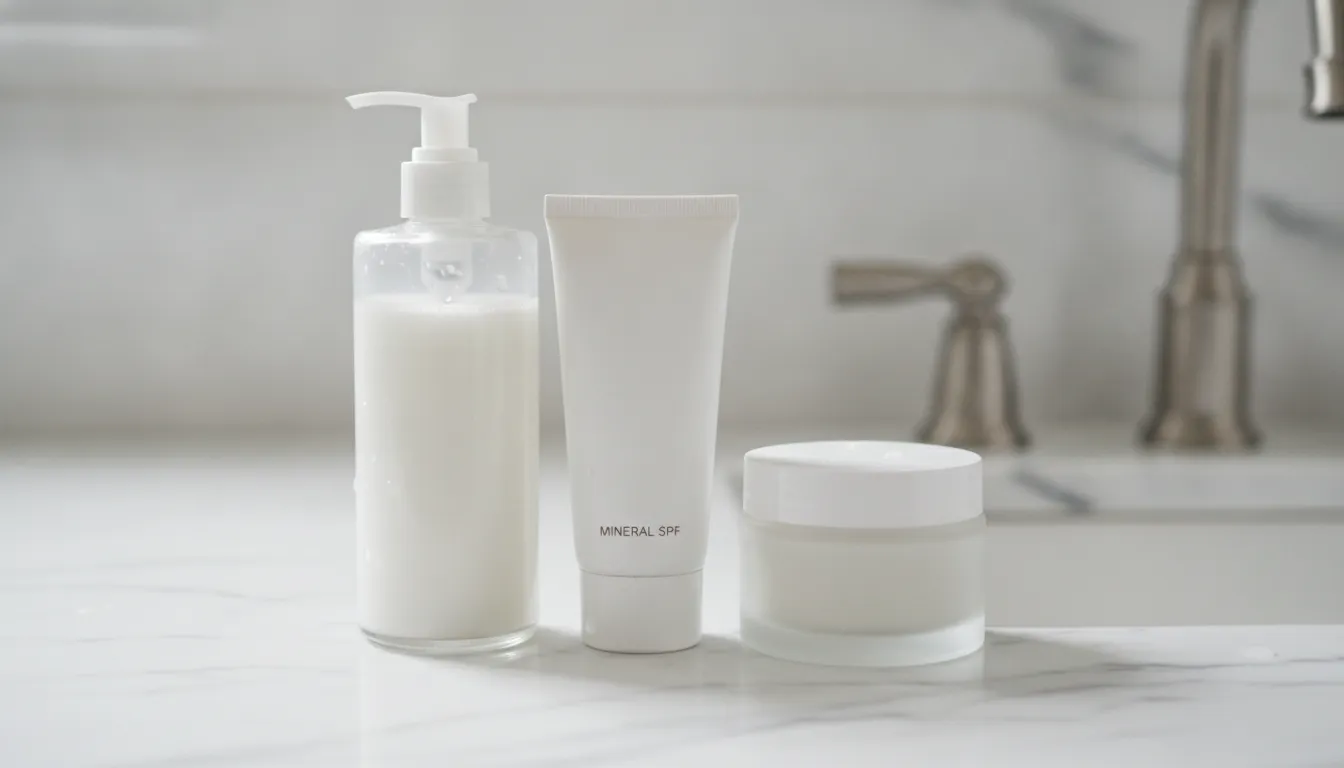
Post-injectable skincare calls for gentle, fragrance-free cleansers and moisturizers for the first 24 hours. Avoid active ingredients like retinol, AHAs, BHAs, and vitamin C for three to five days. Use mineral SPF 30 or higher daily to protect healing skin.
Safe Cleansers and Moisturisers
For the first 24 hours, use only a gentle, fragrance-free cleanser. Use cool or lukewarm water to wash your face. Do not scrub the treated areas. Instead, pat your skin dry with a soft, clean towel. This prevents pressure on the injection sites while the product settles. A simple moisturizer helps trap water and supports the skin barrier during early healing.
Wait at least one full day before using any tools on your face. If you had Botox or Dysport, do not rub the area. This prevents the product from moving to other muscles. According to the Cleveland Clinic, bruising is the most common side effect after these treatments. Keeping your routine light helps lower this risk and lets the skin heal.
Ingredients to Avoid
You must stop using strong skin products for 3 to 5 days. This includes retinols, AHAs, BHAs, and vitamin C. These ingredients can irritate the skin and slow down healing. They may also increase redness where the needle entered. Once any swelling or small marks fade, you can slowly start using these products again. Most people can go back to their full routine after one week.
Sun protection is vital after any treatment. Use a mineral-based sunscreen with SPF 30 or higher every day. Physical blockers like zinc oxide are best because they do not cause heat on the skin. This keeps your face cool and helps prevent dark spots from sun exposure.
Advanced Recovery Support
LED light therapy is a great way to speed up your recovery. Red light helps the skin heal faster by boosting cell energy. Blue light can kill bacteria and keep the area clean. At Your Skin Prescription, we offer these light treatments to help our clients see results sooner. It is a painless step that can reduce downtime after fillers or other injections.
If you notice mild bruising, you may also use topical arnica. This natural option helps blood vessels heal and fades marks quickly. Most people find that their skin feels back to normal in a few days. If you have questions about your specific products, you can schedule a consultation to get a custom plan for your skin type.
When Should You Schedule Follow-Up Appointments?
Your post injectable skincare aftercare plan does not end a week after your visit. To keep your results looking fresh and natural, you need a steady schedule of care. Knowing when to come back helps you avoid gaps in your look. It also helps your provider plan the best timeline for more advanced procedures. Whether you use Botox or fillers, staying on a schedule is key to long term results.
Botox and neuromodulator results last 3 to 4 months, dermal fillers last 9 to 18 months. And biostimulators require initial sessions spaced one month apart with maintenance every 12 to 24 months. Schedule your next visit before your current results fully fade for seamless maintenance.
Neuromodulator Maintenance Timing
Botox, Dysport, and Xeomin typically last three to four months. The exact duration depends on factors like your metabolism, the treatment area, and how many units you received. Some patients find their results last closer to five months with repeated treatments over time. Muscle training can help extend the period between visits. It is a good idea to book your next appointment before your current results fully wear off. This way, your provider can maintain a smooth appearance without any downtime between treatments.
Filler Touch-Up Schedule
Dermal fillers last much longer than neuromodulators. Most hyaluronic acid fillers keep their effect for nine to eighteen months. The area treated plays a big role in how long the results last. Areas with more movement, like the lips, tend to break down the filler faster than areas with less motion, like the cheeks. Your provider can help you plan a schedule that keeps your results steady over time without any sudden changes.
Many patients choose to have a small touch-up visit before the filler fully fades. This approach helps maintain a consistent look and can reduce the amount of product needed at each visit. It is a more gradual and natural way to keep your volume where you want it. Our team at Your Skin Prescription can help you plan the right schedule for your goals and budget.
Biostimulator Long-Term Planning
For biostimulators like Sculptra, the initial treatment phase includes multiple sessions. Most patients need three to six sessions spaced about one month apart. After you reach your goal, maintenance visits are needed once every twelve to twenty four months. This longer interval makes biostimulators a good option for patients who want lasting results with fewer visits over time. Your provider will help you decide which option fits your goals best. Contact Your Skin Prescription to discuss your treatment timeline.
Frequently Asked Questions
Can I sleep on my side after Botox?
It is best to sleep on your back with your head elevated for the first night after Botox. Sleeping on your side can put pressure on the treated areas and may cause the product to shift. Use an extra pillow to keep your head elevated and help reduce morning swelling.
How soon after fillers can I wear makeup?
You should wait at least 24 hours before applying makeup after dermal fillers. The injection sites need time to close, and applying makeup too soon can introduce bacteria into the tiny puncture wounds. When you do apply makeup, use clean brushes and be very gentle around the treated areas.
Can I fly after getting Botox or fillers?
Most providers recommend waiting at least 24 to 48 hours before flying after injectable treatments. Changes in cabin pressure can increase swelling and bruising. It is also harder to apply ice or follow aftercare instructions while traveling. Plan your travel schedule to allow for proper recovery time.
When can I exercise after Botox and fillers?
Avoid strenuous exercise for 24 to 48 hours after Botox and for 48 hours after dermal fillers. Increased blood flow from exercise can lead to more swelling and bruising and may cause the product to migrate. Light walks are fine, but save high-intensity workouts, hot yoga, and heavy lifting for after the rest period.
Is it normal to feel lumps after dermal fillers?
Small bumps or slight lumpiness immediately after filler injections are normal. These usually resolve on their own within a few days as the product settles and any swelling goes down. Gentle massage as directed by your provider can help smooth the area. If lumps persist beyond two weeks, contact your provider for an evaluation.
Ready to Schedule Your Injectable Treatment Consultation?
Proper post injectable skincare aftercare is the key to getting the most out of your Botox, filler, or biostimulator treatment. From staying upright in the first few hours to protecting your skin with the right products and SPF. Every step you take at home directly impacts the quality and longevity of your results. Your Skin Prescription in Sewickley and Pittsburgh is here to guide you through every phase of your skincare journey with expert care and personalized treatment plans.
Call (412) 706-2424 or book your consultation online today.