
Summer in Pittsburgh brings longer days, bright sun, heat, and more time outdoors. After a med spa treatment, however, your usual warm-weather routine may need a more thoughtful approach. Skin recovering from procedures such as microneedling, peels, or resurfacing can be more sensitive to sunlight while its protective barrier rebuilds. A little advance planning keeps your recovery comfortable and your results on track.
For summer skincare after treatments Pittsburgh, follow your provider’s aftercare instructions, protect treated skin from direct sun, and apply broad-spectrum SPF 30 or higher as directed. Choose gentle, barrier-supportive products while your skin recovers, and time stronger procedures for cooler periods.
Book a consultation with our Sewickley and Pittsburgh providers to build a seasonal skincare plan around your treatments and your summer calendar.
That does not mean you have to avoid every summer plan or pause all professional skin care. It does mean timing, daily protection, and attentive aftercare matter. Understanding how Pittsburgh’s summer sun affects recently treated skin is the first step toward a calmer recovery and more confident decisions about your routine.
Why Does Pittsburgh Summer Sun Call for Extra Care After Treatments?
Summer light can feel restorative, but recently treated skin may respond differently to it. Procedures that exfoliate or puncture the skin, including resurfacing lasers, microneedling, and chemical peels, can create temporary photosensitivity while new tissue forms. According to the Skin Cancer Foundation, this sensitivity may last approximately four to eight weeks, depending on the treatment and the individual recovery process.
That does not mean summer treatments are off limits. It does mean your aftercare deserves the same level of attention as the treatment itself. Unprotected sun exposure should be avoided for at least the first one to two weeks after procedures that make the skin more vulnerable. Your provider may recommend a more specific timeline based on the treatment depth, your skin type, and how your skin is healing.
Why sunburn can complicate recovery
Pittsburgh’s summer sun can make incidental exposure easy to underestimate, especially during errands, outdoor dining, or a walk through Sewickley. Sunburn can intensify redness, discomfort, and sensitivity in skin that is already recovering. Johns Hopkins notes that sunburn is a leading cause of summer skin concerns and can cause redness and pain, with more severe burns leading to blistering. Protecting treated skin helps reduce an avoidable source of stress during the healing period.
A more thoughtful approach to sun protection
Use a broad-spectrum sunscreen with SPF 30 or higher, and reapply it every two hours when you are outdoors, or sooner after sweating or swimming. Broad-spectrum protection is especially important after a procedure because it helps shield the temporarily compromised barrier from ultraviolet exposure. Add a wide-brimmed hat and UV-blocking sunglasses for physical protection, and, when possible, plan outdoor activities outside the strongest sun hours of approximately 10 a.m. to 4 p.m.
- Apply SPF 30 or higher broad-spectrum sunscreen every morning.
- Reapply every two hours outdoors, and sooner after swimming or sweating.
- Wear a wide-brimmed hat and UV-blocking sunglasses for added coverage.
- Seek shade during peak sun hours between roughly 10 a.m. and 4 p.m.
Thoughtful summer skincare after treatments in Pittsburgh is ultimately about respecting the recovery process. Keep your follow-up instructions close, ask your provider when to resume normal outdoor activities, and choose shade whenever practical. Consistent protection supports a calmer recovery without making promises about a particular result.
How Should You Manage Post-Injectable Care in Summertime Heat?
Botox and dermal filler aftercare deserves particular attention during a Pittsburgh summer. Following treatment, your provider may recommend avoiding direct sun, heat, saunas, and strenuous exercise for at least 24 hours. This gives the product time to settle and helps reduce the risk of complications, according to the American Academy of Family Physicians.
That 24-hour window can be easy to underestimate when outdoor plans, warm temperatures, and longer daylight hours are part of the season. Sweating from heat or exercise may make it more difficult to follow a calm, low-contact aftercare routine, particularly if you are wiping or touching treated areas repeatedly. When possible, schedule injections at a time when you can remain cool and avoid demanding activity through the following day.
Plan around heat and outdoor activity
Before treatment, consider your calendar. A day at the pool, a strenuous workout, a hot yoga class, a sauna visit. Or extended time in direct sun may be better planned before your appointment or after the initial recovery window. If you need to be outside, follow your medical professional’s instructions and protect the treated areas from sun exposure without rubbing or pressing on them. A shaded route, a wide-brimmed hat, and a cooler indoor setting can make the first day more comfortable.
Sun protection remains important after the initial 24 hours as well. Use the sunscreen and other products recommended by your provider, and apply them gently once your provider confirms they are appropriate for your skin and treatment. Avoid adding new or potentially irritating products simply because the weather is hot. A simple routine is often easier to follow consistently while you monitor how your skin responds.
For a more detailed overview of what to expect, review our post-injectable skincare aftercare guidance. Your provider can also tailor recommendations to the product used, the treatment area, your skin, and your summer plans. If swelling, pain, redness, or another concern seems unusual or worsens, contact the treating medical professional promptly rather than trying to self-manage it.
Which Treatments Are Better for Summer vs. Cooler Months?
Seasonal planning can make a meaningful difference in how comfortably skin recovers after a med spa treatment. In Pittsburgh, summer brings stronger sun exposure, heat, humidity, and more time outdoors. Those conditions do not automatically rule out professional skincare, but they do make treatment selection and aftercare especially important. A medical aesthetician can help match the treatment intensity to your skin’s current condition, schedule, and ability to follow sun-protection guidance.

| Treatment Type | Best Season | Post-Treatment Sun Care |
|---|---|---|
| HydraFacial | Summer or year-round | Use broad-spectrum sunscreen, limit prolonged direct sun, and follow the provider’s product and activity guidance. |
| LED light therapy | Summer or year-round | Continue daily sun protection and avoid assuming that a gentle treatment eliminates the need for SPF. |
| Gentle medical facials | Summer or year-round | Protect freshly treated skin with sunscreen, shade, and a hat when outdoors. Follow individualized aftercare instructions. |
| Deeper chemical peels | Cooler months | Plan for strict sun avoidance during recovery. Daily broad-spectrum SPF and careful reapplication remain essential. |
| More aggressive resurfacing | Cooler months | Allow adequate recovery time, avoid unprotected sun, and follow the treatment plan before returning to extended outdoor activity. |
Why gentler options often fit summer schedules
HydraFacial, LED light therapy, and gentle medical facials may be easier to coordinate with summer plans because they are designed as lower-intensity options. They are gentler than deeper exfoliation or aggressive resurfacing. They can support a refreshed, well-cared-for appearance without requiring the same level of seasonal planning as treatments that substantially remove or disrupt the outer layers of skin. That does not mean recovery is identical for everyone. Your provider should review current sensitivity, active irritation, pigment concerns, and upcoming sun exposure before treatment.
If you are considering a HydraFacial in Sewickley or Pittsburgh, review the treatment’s benefits, timing, and aftercare alongside your calendar. A beach trip, outdoor event, or long weekend in the sun may affect when treatment is most appropriate.
Why cooler months may suit stronger resurfacing
Deeper chemical peels and more aggressive resurfacing generally require stricter sun avoidance because treated skin can be more vulnerable while it heals. Exfoliating or resurfacing procedures may also cause temporary photosensitivity. The Skin Cancer Foundation recommends broad-spectrum SPF 30 or higher, frequent reapplication, protective clothing, and limiting peak sun exposure during recovery: learn more about post-treatment sun sensitivity. For personalized timing, discuss the intended treatment, your seasonal plans, and your aftercare capacity with a qualified provider before booking.
Building a Protective Summer Skincare Routine After Treatments in Pittsburgh
After a med spa treatment, your skincare routine should support the skin’s recovery rather than compete with it. A thoughtful, integrated approach that combines professional procedures with appropriate home care can promote healing, minimize discomfort, and shorten downtime. This follows a review of integrated skincare around cosmetic medical procedures (research published in PubMed). In Pittsburgh’s brighter summer months, that supportive approach also means being especially consistent with sun protection.
Cleanse gently
Begin with a mild, non-abrasive cleanser and lukewarm water. Use your fingertips instead of a cleansing brush, textured cloth, or vigorous massage, particularly if the treatment has left the skin tender, warm, or visibly flushed. Pat dry with a clean, soft towel. Your provider’s instructions should take priority, since the appropriate cleansing timeline can vary by treatment and by the condition of your skin.
On treatment day and during short-term aftercare, pause high-irritation actives unless your provider specifically directs otherwise. Retinoids and exfoliating acids may increase irritation, and research identifies a potential risk of post-inflammatory hyperpigmentation during the healing phase, especially for skin of color (review of post-procedure skincare ingredients).
Restore the barrier
Follow cleansing with a simple, fragrance-conscious moisturizer selected for your recovery stage. Ceramides, cholesterol, hyaluronic acid, niacinamide, and peptides are generally considered appropriate across recovery phases after aesthetic procedures. They can help create a comfortable, hydrated routine without relying on aggressive exfoliation or unnecessary layering.
Keep the routine intentionally streamlined while the skin settles. If a product stings, causes unusual redness, or feels uncomfortable, stop using it and contact your provider for guidance. For a more personalized product plan, explore medical-grade skincare selected around your treatment goals and skin needs.
Protect daily
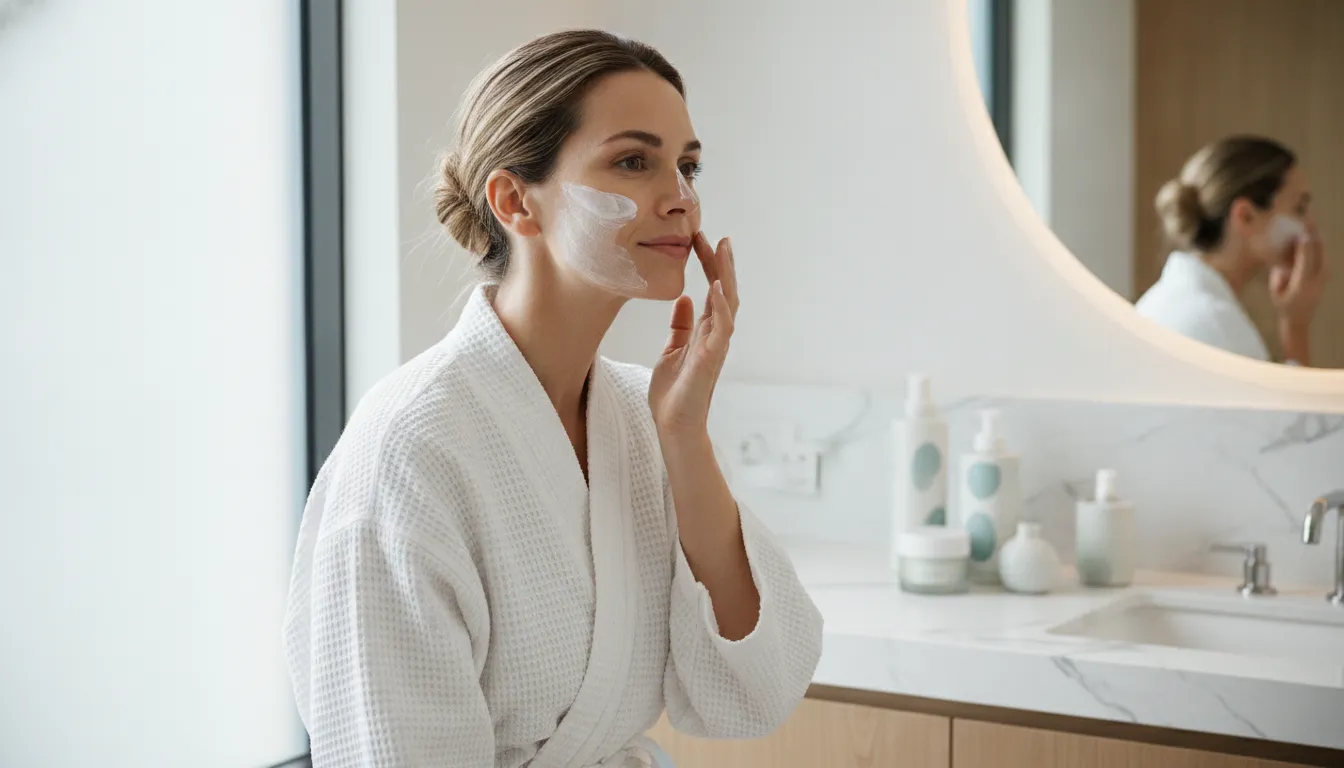
Apply a broad-spectrum sunscreen rated SPF 30 or higher once your provider confirms that sunscreen is appropriate for your treatment stage. Reapply every two hours when outdoors, and sooner after swimming or sweating. A wide-brimmed hat, UV-blocking sunglasses, shade, and less time in direct midday sun add useful layers of protection.
Summer sun can intensify discomfort and sensitivity in recently treated skin, so sun protection is not an optional finishing step. If your treatment involved resurfacing, microneedling, or a peel, ask your provider how long increased photosensitivity may last and when to resume your usual active products. A conservative routine gives the skin space to recover while protecting the results of your visit.
How Can You Protect and Maintain Your Results All Season?
Thoughtful aftercare does not end when your skin leaves the treatment room. A consistent summer routine helps protect the skin barrier, support a more comfortable recovery, and preserve the polished appearance you are working toward between visits. Your provider’s instructions should always take priority, especially after a treatment that creates more significant sensitivity.
Make SPF a morning habit
Daily, broad-spectrum SPF 30 or higher is the single most important step for maintaining treated skin through a Pittsburgh summer. Apply it every morning to exposed skin, including the face, neck, ears, and chest. Broad-spectrum protection is especially important after professional treatments because recently treated skin may be more vulnerable to irritation and sun-related complications. The Skin Cancer Foundation recommends reapplying sunscreen every two hours during recovery, with more frequent application after swimming, sweating, or toweling off.
For a dependable routine, keep sunscreen beside the products you use each morning rather than treating it as an occasional finishing touch. Our medical-grade skincare options can help your provider tailor a product plan to your treatment history, skin type, and daily schedule.
Reapply and add physical protection
Sunscreen works best as one part of a layered approach. Reapply before a long lunch outdoors, after an afternoon walk, and whenever water or perspiration has removed product. A wide-brimmed hat creates helpful shade for the face, while UV-blocking sunglasses protect the delicate eye area. If you can choose when to be outside, plan extended activities for earlier in the morning or later in the afternoon. The strongest peak-hour exposure is generally between 10 a.m. and 4 p.m., so seek shade during that window when possible.
Keep the rest of your routine gentle and consistent
Use a mild cleanser, and avoid scrubbing or picking at recovering skin. Follow the aftercare timeline your provider gives you before restarting retinoids, exfoliating acids, or other potentially irritating actives. During recovery, ingredients such as ceramides, cholesterol, hyaluronic acid, niacinamide, and peptides are generally considered appropriate across procedure types and recovery phases, although individual recommendations vary. Integrated skincare alongside professional procedures may promote healing, minimize discomfort, and shorten downtime.
Hydration matters, too. Drink water regularly, especially during warm outdoor activities, and give your skin time to recover before adding new products. If sensitivity, persistent redness, or an unexpected change develops, contact the practice for personalized guidance rather than trying to correct it with a more aggressive routine.
Book a consultation with our Sewickley and Pittsburgh providers to tailor your post-treatment skincare routine for a sun-safe Pittsburgh summer.
Frequently Asked Questions
How soon after Botox or dermal filler can I go in the sun?
Avoid direct sun, significant heat, saunas, and strenuous exercise for at least 24 hours after Botox or dermal filler. Once your provider clears you, protect treated areas with broad-spectrum SPF 30 or higher. The American Academy of Family Physicians outlines this injectable aftercare guidance.
Why does my skin feel more sun-sensitive after laser or chemical peel treatment?
Resurfacing treatments and chemical peels temporarily affect the outer layers of skin, which can increase photosensitivity while new tissue forms. Recovery guidance may call for avoiding unprotected sun exposure for one to two weeks. Apply broad-spectrum SPF 30 or higher every two hours, and use shade, a wide-brimmed hat, and UV-blocking sunglasses. The Skin Cancer Foundation explains this recovery window.
Which treatments are best to schedule during Pittsburgh summers?
HydraFacial, LED light therapy, and gentle medical facials may be more practical summer options because they generally involve less aggressive resurfacing. Deeper peels or more intensive resurfacing may be better planned for a cooler period, depending on your treatment history, sun exposure, and provider recommendations.
What should my summer skincare routine include after a med spa treatment?
Keep the routine simple: use a soothing cleanser, a hydrating moisturizer, and broad-spectrum sunscreen, then follow your provider’s specific instructions. Ceramides, cholesterol, hyaluronic acid, niacinamide, and peptides are generally considered appropriate across recovery phases, while retinoids and acids may need to be paused during short-term aftercare. A recent review of post-procedure skincare ingredients provides this guidance.
How can I protect and maintain my treatment results in warm weather?
Reapply sunscreen consistently, seek shade during peak midday sun, and avoid excess heat and sweating immediately after a procedure. Gentle cleansing, steady hydration, and an aftercare plan tailored by your provider can help support the skin barrier and maintain your results between visits.
Plan a Sun-Protected Season With Your Skin Prescription
Summer in Pittsburgh is easier to enjoy when your skincare plan shares the same care your provider gives each treatment. Whether you are preparing for a HydraFacial, reviewing your injectable schedule. Or deciding which treatment is right for the coming weeks, personalized guidance makes the difference between chasing results and protecting them.
The team at Your Skin Prescription is here to help you build a summer skincare routine that supports your skin, your calendar, and your comfort. Book a consultation with our Sewickley and Pittsburgh providers to plan your next treatment around sun-safe aftercare.