
Have you ever found a treatment that worked for a while, only for it to suddenly stop being effective? This is a common hurdle known as treatment resistance, and it’s one of the many reasons why managing acne is a dynamic process. Your skin’s needs can change over time, and a successful plan must adapt accordingly. Instead of chasing temporary fixes, the goal is to build a sustainable, long-term skincare strategy. A proper acne treatment journey focuses on not only clearing current breakouts but also on maintaining your skin’s health to prevent future ones, ensuring your results last.
When you’re looking for acne treatment near Pittsburgh, be mindful. Anyone who tells you they can eliminate your acne in 1-2 treatments doesn’t have your best interest in mind. Acne treatment is a journey for several reasons, but at Your Skin Prescription, we have a map. Let’s figure out your skin solution together!
The Emotional Side of Acne
If you’ve ever canceled plans, avoided eye contact, or spent way too much time in front of the mirror because of a breakout, you know that acne is more than a surface-level issue. It’s a deeply personal and often frustrating experience that can take a real toll on your confidence. The constant cycle of trying new products, feeling hopeful, and then facing disappointment can be exhausting. It’s a journey that many of us are on, and it’s important to acknowledge the emotional weight that comes with it. Finding a solution isn’t just about clearing up your skin; it’s about reclaiming your sense of self and feeling comfortable in your own skin again, without a second thought.
More Than Just Skin Deep
For many, the struggle with acne doesn’t end in their teenage years. As the American Academy of Dermatology notes, “Adult acne can be very tough to deal with and can seriously affect how a person feels about themselves and their daily life.” This constant battle can lead to significant mental health challenges. One writer described her experience with acne as causing “insecurity, low self-esteem, and a strong fear of people seeing her without makeup.” When your skin feels like it’s betraying you, it’s easy to internalize that feeling. That’s why finding a supportive, non-judgmental environment for treatment is so crucial. At Your Skin Prescription, we understand the connection between skin health and mental well-being, creating a space where you can feel cared for and understood.
Understanding What Causes Acne
To effectively treat acne, we first have to understand what’s happening beneath the surface. It’s not simply about washing your face more or eating fewer greasy foods. Acne is a complex medical condition with specific biological triggers. According to researchers, “Acne vulgaris is a very common, long-lasting skin problem that causes inflammation in hair follicles and oil glands.” It’s a chronic condition, which is why quick fixes rarely work. Instead, a successful approach involves identifying and addressing the root causes. By understanding the science behind your breakouts, you can move past the trial-and-error phase and start a targeted treatment plan that delivers real, lasting results.
The Four Core Factors of a Breakout
So, what exactly is going on in your skin? The development of an acne lesion typically involves four key factors working together. First is excessive sebum production, which is just a technical term for your skin producing too much oil. Next is hyperkeratinization, a process where dead skin cells don’t shed properly and instead clog your pores. This clogged, oily environment becomes the perfect home for the third factor: the overgrowth of *P. acnes* bacteria. Finally, your body’s immune system responds to the bacteria, leading to inflammation—the redness, swelling, and pain we associate with a pimple. A comprehensive treatment plan, like those developed through our med spa memberships, addresses all these factors for clearer, healthier skin.
Identifying Different Types of Acne
Just as there are multiple causes of acne, there are also different types of blemishes. Knowing which kind you’re dealing with is a critical step in choosing the right treatment. A professional aesthetician can accurately diagnose your acne, but it’s helpful to understand the two main categories: non-inflamed and inflamed. Each type requires a different approach, and what works for simple blackheads might not be effective for deeper, more painful cysts. This is why a one-size-fits-all solution often fails to produce the results you’re looking for.
Non-Inflamed Acne
Non-inflamed acne consists of clogged pores without any redness or significant swelling. These are the blackheads and whiteheads you’re likely familiar with. Blackheads, or open comedones, are pores clogged with oil and dead skin cells that have oxidized and turned dark at the surface. Whiteheads, or closed comedones, are similar, but the top of the pore is closed off, creating a small, skin-colored bump. While less severe, they can still be persistent and may eventually become inflamed if not properly managed.
Inflamed Acne
When bacteria enters a clogged pore, your body’s immune response kicks in, leading to inflamed acne. This category includes everything from small red bumps (papules) and pus-filled spots (pustules) to deeper, more painful lumps like nodules and cysts. These types of breakouts are more likely to cause discomfort and can lead to scarring if they are picked at or treated incorrectly. Because of the higher risk of long-term skin damage, inflamed acne often requires professional intervention to manage effectively and safely.
Why Is Treating Acne a Process, Not a Quick Fix?
Resolving acne is a lengthy process for several reasons.
- The causes of acne, from excess oil production to bacterial congestion, are complex and intertwined, making it difficult to address in 1 sitting.
- Treating some types of acne (such as cystic acne) is more difficult because they are rooted deep within the skin.
- The skin has a natural cycle that’s about a month long, which restricts the amount we can do in short periods of time.
- When treating acne, we take precautions to not damage the skin. Avoiding irritation, dryness, and flaking slows down the process, but preserves your skin’s health.
The Challenge of Treatment Resistance
Have you ever felt like a treatment that used to work wonders for your skin suddenly stopped being effective? You’re not imagining it. One of the biggest hurdles in managing acne is treatment resistance. Over time, the bacteria responsible for many breakouts, P. acnes, can adapt and become resistant to the antibiotics commonly used in acne medications. This growing issue of antibiotic resistance means that standard prescriptions are becoming less reliable for many people. It’s a key reason why a personalized, long-term strategy is so much more effective than a generic approach. Finding the right combination of treatments requires patience and expertise, as it often takes a few months to see significant improvement and find what truly works for your unique skin.
Navigating Professional Acne Treatments
When you decide to get professional help for your acne, you’ll find there are several paths you can take. The right approach depends entirely on your unique skin, the type of acne you have, and what you’ve already tried. It’s not about finding a single magic bullet, but rather about creating a comprehensive plan. A skilled aesthetician can guide you through these options, helping you understand what’s best for your specific situation. This often involves a combination of professional treatments and a solid at-home routine. The goal is to find a sustainable solution that not only clears your skin but also keeps it healthy long-term.
Medical Treatment Options
Medical treatments for acne generally fall into three categories: over-the-counter products, prescription topicals, and oral medications. Many people start with what’s available at the drugstore, and for some, that’s enough. However, for more persistent or severe acne, prescription-strength options are often necessary. These treatments are more potent and target the underlying causes of acne more directly. A professional consultation is key to determining which level of treatment is appropriate for you. They can assess your skin and recommend a plan that might include one or a combination of these medical-grade solutions to get you the best results.
Over-the-Counter (OTC) Solutions
Walking down the skincare aisle, you’ll see countless over-the-counter options for acne. These are a common first step because they’re so accessible. Products containing ingredients like benzoyl peroxide or salicylic acid can be quite effective for mild acne, like occasional whiteheads and blackheads. They work by killing bacteria and helping to clear out pores. While OTC products can be a great starting point, they often aren’t strong enough to manage more moderate or severe breakouts, which is when many people decide it’s time to seek professional advice.
Prescription Topical Treatments
If over-the-counter products aren’t cutting it, the next step is often a prescription topical treatment. These are creams, gels, or lotions that you apply directly to your skin. Your provider might prescribe a topical retinoid, such as Tretinoin, which works by accelerating skin cell turnover to prevent pores from getting clogged. According to the National Health Service (NHS), these are often recommended for moderate to severe acne. They are much more powerful than what you can buy in-store and are a cornerstone of many effective professional acne treatment plans.
Oral Medications
For some types of severe or cystic acne that are deep, painful, and resistant to other treatments, oral medications may be recommended. Oral antibiotics, for example, work from the inside out to reduce bacteria and fight inflammation. These are typically prescribed by a doctor or dermatologist for a limited time and are often used in combination with a topical regimen to address the acne from all angles. This approach is reserved for more serious cases and requires careful medical supervision to be both safe and effective.
Understanding Potential Side Effects and Risks
As you start using more powerful acne treatments, it’s important to be aware of potential side effects. Many effective ingredients, especially retinoids and benzoyl peroxide, can cause initial dryness, redness, and peeling as your skin adjusts. One of the most significant side effects is increased sun sensitivity. This means your skin can burn much more easily, making daily sunscreen non-negotiable. Working with a professional is so valuable here, as they can help you manage these side effects by recommending supportive skincare products and adjusting your treatment plan as needed to keep your skin barrier healthy and comfortable.
When to See a Doctor or Dermatologist
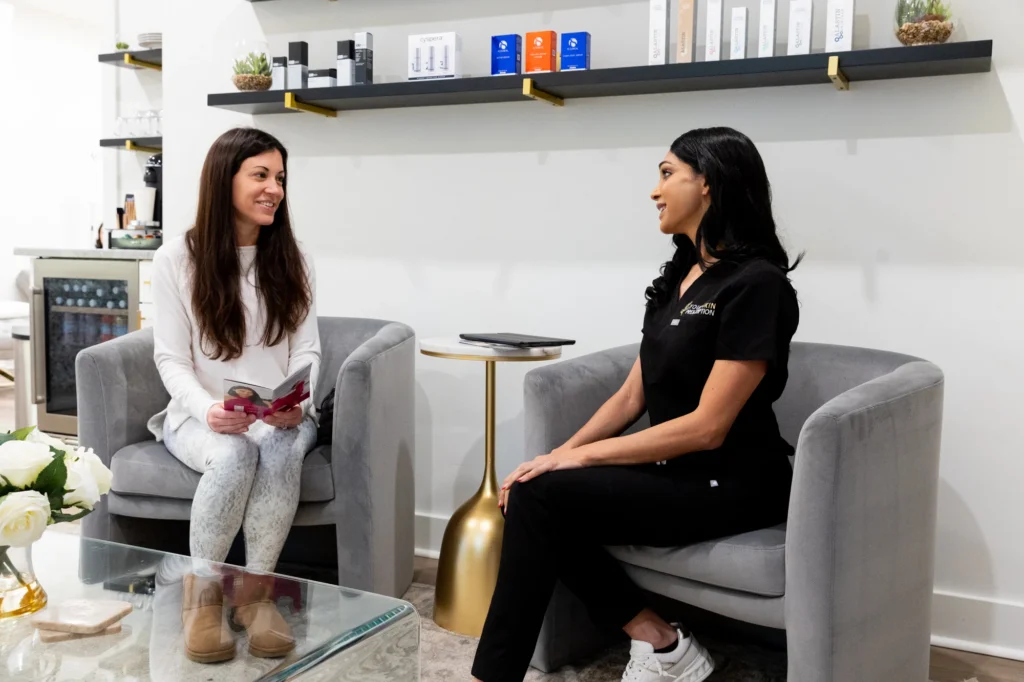
It’s time to see a professional if your acne is affecting your quality of life. If over-the-counter products haven’t made a difference after several weeks, or if your acne is widespread, painful, or leaving scars, expert help is the next logical step. The emotional toll of acne is very real, and you shouldn’t have to deal with it alone. Consulting with a skilled aesthetician at a place like Your Skin Prescription can provide you with a clear path forward, offering advanced treatments and personalized guidance that you simply can’t get on your own.
How to Prepare for Your Appointment
To make the most of your first professional consultation, a little preparation goes a long way. Before your appointment, try to make a list of all the acne products and treatments you’ve used in the past. As noted by the American Academy of Dermatology, sharing this history is incredibly helpful. Include everything from drugstore cleansers to old prescriptions. This information helps your provider understand what has and hasn’t worked for your skin, preventing them from suggesting something you’ve already tried without success and allowing them to create a more targeted and effective plan right from the start.
What’s the Timeline for Your Acne Treatment Journey?
Every acne treatment journey will look different depending on the severity of your breakouts. Some clients clear up their breakouts much faster than others. We generally consider chronic acne treatment to be a year-long process. The frequency of your visits will also play a role in the duration of your acne treatment. While some individuals only need monthly visits, others may need to come in weekly for the first few treatments.
Our Approach to Your Acne Treatment Plan
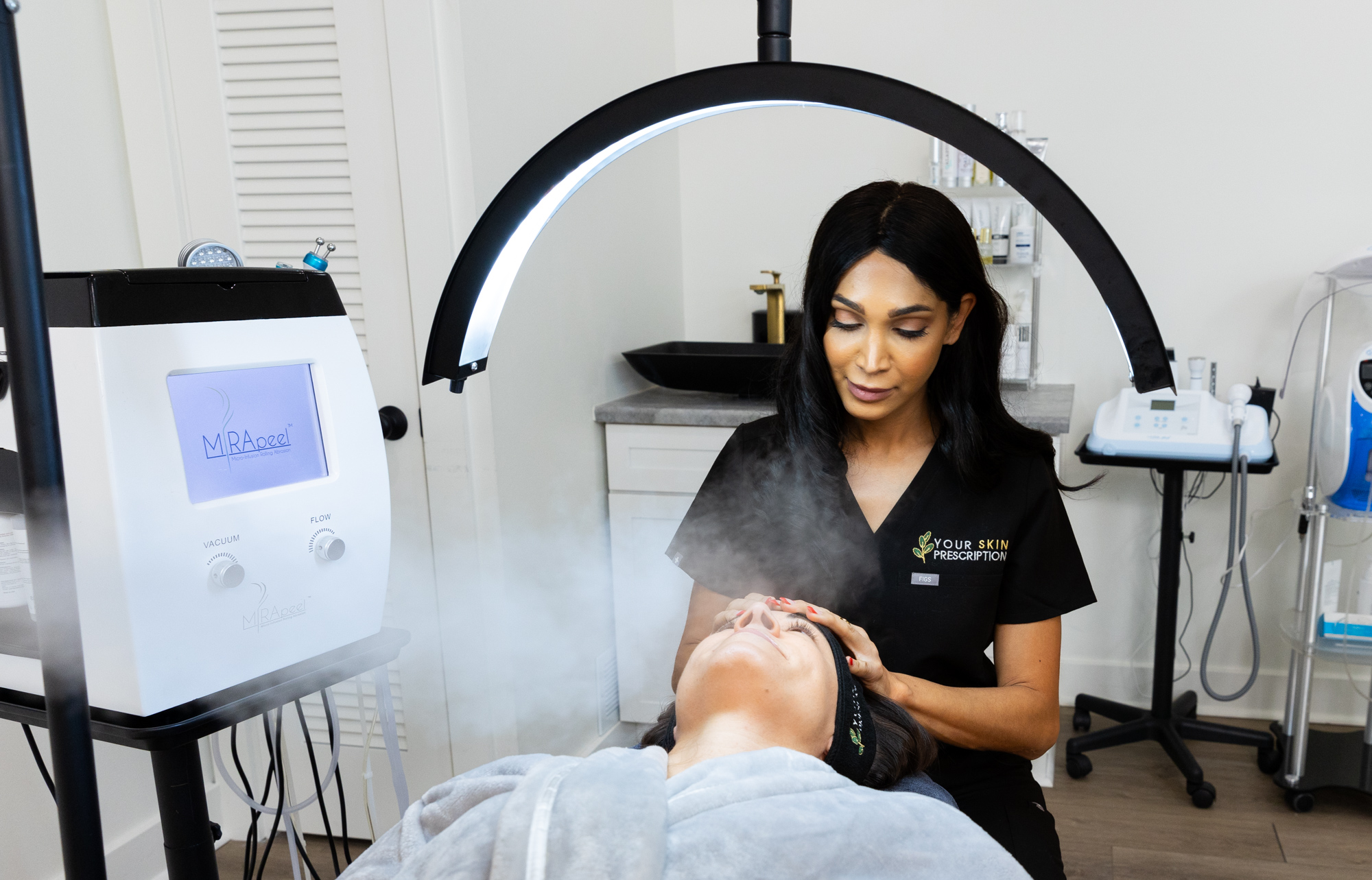
Treating acne is usually a matter of eliminating bacteria. We remove these impurities through extractions, lasers, LED therapy, and specific acne-targeted professional products. As one of the best places for acne treatment near Pittsburgh, we have curated a protocol that targets acne at multiple angles to not only eliminate the active breakouts but also prevent future ones. Keep in mind, at-home care is necessary to make real change in your skin. After all, you touch your face at home much more often than we do in the treatment room! Our estheticians will recommend a variety of simple lifestyle changes that can make a major difference in your skin.
Common Skincare Mistakes to Avoid
When you’re desperate for clear skin, it’s tempting to throw everything you have at the problem. But sometimes, our best intentions can backfire. One of the most frequent missteps is being too aggressive. Many people believe scrubbing their face with harsh exfoliators will get rid of acne, but this can irritate the skin, strip its natural moisture barrier, and even spread bacteria, making breakouts worse. Your skin needs gentle, consistent care, not a daily battle. The goal is to calm inflammation and support the skin’s healing process, not to punish it into submission.
Another common pitfall is relying on DIY treatments for persistent or severe acne. While a soothing oatmeal mask can be a nice self-care moment, trying to treat deep, painful acne at home often doesn’t work and can lead to more inflammation or even scarring. Every person’s skin is unique, and what clears up your friend’s breakout might not do a thing for yours. This is why a personalized approach from a skilled aesthetician is so crucial. We can help you find the right balance of professional treatments and at-home care that works for your specific skin type and concerns.
Ready to Start Your Acne Treatment Journey?
When it comes to acne, there are no miracle treatments. At Your Skin Prescription, we won’t try to sell you quick or phony fixes. We’ll work with you for as long as it takes to solve your acne the right way. To book your acne treatment near Pittsburgh, use the button below. Simply select your preferred location, then scroll through the services until you find what you’re looking for. Keep in mind, we offer a wide selection of treatments, from revitalizing facials to hair restoration. You can also explore your options by getting a customized treatment plan. We look forward to hearing from you! Book Now Customize My Treatment Plan
Frequently Asked Questions
Why can’t my acne be cleared up in just one or two visits? Think of it this way: acne doesn’t develop overnight, so it can’t be resolved that quickly either. The condition involves a cycle of oil production, clogged pores, and inflammation happening deep within your skin. A single treatment can help calm a current breakout, but a lasting solution requires a consistent strategy to break that cycle for good. We focus on creating sustainable change, which takes time and a commitment to the process.
I’ve tried so many over-the-counter products. How is a professional treatment plan any different? It’s a common story to feel like you’ve exhausted every option in the skincare aisle. The key difference with a professional plan is that it’s created specifically for you. Instead of guessing which ingredients might work, we’ll accurately identify your type of acne and its triggers. This allows us to use a combination of clinical-strength treatments and targeted products that are far more potent and effective than what you can buy on your own.
How long will it actually take to see a difference in my skin? While every person’s skin responds differently, patience is a huge part of the process. You might notice some initial improvements in inflammation or texture after your first few treatments, but significant, lasting clearance often takes several months. We’re working in sync with your skin’s natural renewal cycle, which is about 30 days long. A realistic timeline allows us to make progress without compromising your skin’s health.
Are the treatments going to be harsh or make my skin really dry and flaky? This is a valid concern, as many powerful acne-fighting ingredients can be drying. While some initial redness or light peeling can occur as your skin adjusts, our goal is always to maintain the health of your skin barrier. We carefully monitor your skin’s reaction and will adjust your plan as needed, recommending supportive products to keep your skin hydrated and comfortable throughout your treatment journey.
How important is my at-home skincare routine during this process? Your at-home routine is absolutely critical to your success. The treatments we perform in the spa are a powerful part of the plan, but what you do every single day makes the biggest impact. We’ll work with you to build a simple, effective routine that supports our professional treatments, ensuring you continue to make progress between your appointments and maintain your results long-term.
Key Takeaways
- Embrace the Process: Effective acne treatment is a long-term commitment, not an overnight fix. Lasting results require a consistent, adaptive approach that addresses the complex, underlying causes of breakouts.
- Seek Professional Guidance for a Tailored Plan: A one-size-fits-all approach rarely works for acne. Consulting a skilled aesthetician ensures you get an accurate diagnosis and a personalized treatment plan, helping you avoid common mistakes and ineffective products.
- Combine Professional Treatments with Consistent Home Care: Your daily routine is just as critical as your in-office appointments. Lasting success comes from pairing professional procedures with a consistent, gentle at-home skincare regimen recommended by your aesthetician.