
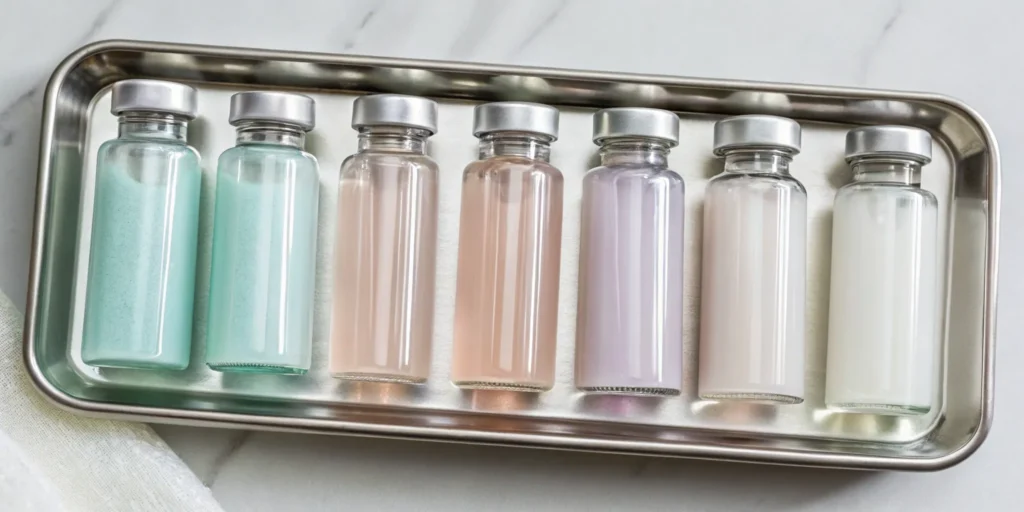
Let’s be real: the fear of looking “frozen” is what stops many of us from trying injectables. I get it. When I first started looking for someone to guide my skincare and injectables, my biggest fear was losing my natural expression. But the truth is, a great cosmetic injectable treatment isn’t about changing your face. It’s about looking like you—just refreshed and well-rested. A skilled provider works like an artist to create subtle, beautiful results. This article will cut through the myths and give you the real story, so you can feel confident about your choices.
.cta-btn{display:inline-block!important;padding:12px 32px!important;font-size:16px!important;font-weight:500!important;text-decoration:none!important;color:#4a4a4a!important;background-color:#fff!important;border-radius:40px!important;border:none!important;transition:all .3s ease-in-out!important}.cta-btn:hover{background-color:#f5f2eb!important;color:#6c6c5f!important}
Key Takeaways
- Match the Product to Your Goal: Different injectables do different jobs. Neuromodulators like Botox relax the muscles that cause expression lines, while dermal fillers add volume to smooth folds and enhance features like your cheeks or lips.
- Your Provider’s Skill Is Paramount: The most important factor for a safe, beautiful outcome is choosing the right provider. Look for a licensed medical professional with extensive experience, a portfolio of natural-looking results, and a commitment to a thorough consultation.
- Think Maintenance, Not a One-Time Fix: Results are temporary, lasting from several months to over a year depending on the treatment. Creating a realistic plan with your provider for cost, aftercare, and follow-up appointments is key to maintaining your look long-term.
So, What Are Injectable Treatments?
If you’ve ever been curious about injectable treatments, you’re in the right place. Think of them as a way to refresh your appearance without the downtime or commitment of surgery. At their core, these are medical treatments where a trained provider injects a specialized substance under the skin to achieve a specific result. The goal is often to soften lines that come from years of smiling and laughing, restore volume to areas like the cheeks, or subtly enhance features like your lips for a fuller, more defined look.
It’s a common misconception that all injectables do the same thing. In reality, they are highly sophisticated tools that work in different ways to address your unique concerns. Some are designed to relax the muscles that cause wrinkles from repeated expressions, while others act like a supportive gel to fill in areas that have lost volume over time. Understanding the basics is the first step in figuring out what might be right for you, and it all starts with a conversation. A skilled medical professional will listen to your goals and help create a personalized plan that helps you feel like the best version of yourself.
Breaking Down the Different Types
When we talk about injectables, we’re really talking about a few different categories of products, each with a special job. The most well-known types are dermal fillers and neuromodulators. Dermal fillers are smooth, gel-like substances that, when injected, literally fill in lines and restore volume where it’s been lost. They are fantastic for plumping lips, softening smile lines, and adding youthful structure back to the cheeks.
There are several kinds of fillers, each made from different substances like Hyaluronic Acid (HA) or Calcium Hydroxylapatite. Another type of injectable works differently to target specific concerns, like deoxycholic acid, which is used to reduce unwanted fat under the chin. Each one has a unique purpose, and your provider will help you choose the best option based on your skin and your goals.
How Do They Actually Work?
The science behind injectables is pretty fascinating and surprisingly straightforward. Let’s start with neuromodulators, like Botox and Dysport. These work by temporarily relaxing the tiny facial muscles that contract every time you make an expression. When these muscles relax, the overlying skin smooths out, which softens the appearance of dynamic wrinkles. It doesn’t freeze your face; it just gently softens the muscle movement in the treated area for a naturally refreshed look.
Dermal fillers, especially those made with Hyaluronic Acid, work by physically adding volume back to the skin. HA is a substance your body already produces to keep your skin hydrated and plump. These gel-like fillers integrate with your own tissue to smooth out folds and wrinkles from the inside out. Your body gradually and naturally absorbs them over several months.
Meet the Most Popular Treatments
Navigating the world of injectables can feel a little overwhelming at first, but it’s much simpler once you understand the key players. Different treatments are designed to achieve different goals, from smoothing fine lines to restoring youthful volume. Think of this as your friendly guide to the most popular and effective options available, so you can feel confident when you chat with your provider about your goals.
Botox & Dysport: For Smoothing Wrinkles
You’ve almost certainly heard of Botox, and for good reason. Both Botox and its close cousin, Dysport, are types of neuromodulators. These work by gently relaxing the tiny facial muscles that cause wrinkles when you make expressions, like frowning or squinting. By telling these muscles to chill out for a bit, the skin on top becomes smoother, softening dynamic wrinkles like crow’s feet and forehead lines. It’s a super popular treatment for achieving a more rested and refreshed look without any downtime. Your provider can help you decide which neuromodulator treatment is the best fit for your specific goals and anatomy.
Restore Volume with Hyaluronic Acid Fillers
If you’re looking to bring back some youthful volume or plumpness, hyaluronic acid (HA) fillers are your best friend. HA is a substance your body naturally produces to keep your skin hydrated and full, but we make less of it as we age. These gel-like dermal fillers are injected under the skin to restore lost volume in areas like the cheeks, lips, and under the eyes. They can also be used to soften smile lines and create more defined facial contours. Because HA attracts water, these fillers also give your skin a beautiful, hydrated glow from within. The results are immediate, giving you a subtle and natural-looking lift.
A Good Starting Point for Beginners
If you’re considering injectable treatments for the first time, the best place to start is with a simple conversation. It’s completely normal to have questions, and a thorough consultation is your opportunity to get clear, honest answers. This is where you’ll meet with a skilled medical professional who will listen to what you hope to achieve and help you create a personalized plan. They’ll walk you through the different options, explaining how some treatments work to relax expression lines while others restore volume, ensuring you understand what’s best for your unique goals. The most important thing is finding a provider you trust—someone with the experience to deliver beautiful, natural-looking results. This initial meeting is all about making you feel comfortable and confident, with a clear understanding of the process, aftercare, and how to maintain your results long-term.
Soften Deeper Lines with Calcium Hydroxylapatite
For deeper lines and more significant volume loss, Calcium Hydroxylapatite (CaHA) fillers are a fantastic option. This type of filler is made from a substance that’s naturally found in our bones, so it’s biocompatible and safe. CaHA fillers are thicker than their HA counterparts, which makes them ideal for correcting deeper wrinkles and folds, like nasolabial folds. Even better, they do more than just fill. They also act as a scaffold under the skin, stimulating your body to produce its own new collagen. This means you get both immediate improvement and long-term benefits, with results often lasting a year or more.
Poly-L-lactic Acid: Help Your Skin Rebuild Collagen
Think of Poly-L-lactic Acid (PLLA) fillers as a collagen kickstarter for your skin. Unlike other fillers that simply add volume, PLLA is a biocompatible, synthetic substance that gets your own body to work rebuilding its natural collagen structure. After the treatment, the filler itself is absorbed by your body within a few days, but it leaves behind a framework that encourages collagen growth over time. This creates gradual, incredibly natural-looking results that can last for two years or even longer. It’s a great choice if you’re looking for subtle, long-lasting improvement in skin texture and firmness rather than immediate volume.
Other Types of Fillers to Know
Polymethylmethacrylate (PMMA)
For those seeking a more permanent solution, Polymethylmethacrylate (PMMA) fillers offer long-lasting results. Unlike temporary fillers, PMMA contains tiny, biocompatible microspheres that your body doesn’t absorb, providing a lasting support structure for your skin. This makes it an effective option for correcting deep-set wrinkles, nasolabial folds, and even certain types of pitted scars. However, this permanence comes with greater responsibility. Precision is key during the injection process, and because the results are long-term, choosing a highly skilled and experienced provider is non-negotiable. Improper use can lead to serious complications, including chronic inflammation or skin discoloration, which is why a thorough consultation with a trusted medical professional is essential to determine if this treatment is right for you.
Autologous Fat Injections
Another highly personalized approach is autologous fat injections, also known as fat grafting. This procedure uses your body’s own fat to restore volume and smooth out areas on your face. A medical provider carefully harvests a small amount of fat from another part of your body, like the abdomen or thighs, purifies it, and then strategically injects it into areas that need a lift. Because the filler is your own tissue, it’s incredibly biocompatible and creates beautifully natural-looking results. The trade-off is that the process is more involved than other filler treatments, and it may take a couple of sessions to achieve your desired outcome as your body can absorb some of the transferred fat.
Kybella: Refine Your Jawline
If you’re bothered by fullness under your chin, Kybella might be the perfect solution. It’s the only FDA-approved injectable treatment that permanently destroys fat cells in this area to improve your profile. The active ingredient is a synthetic version of deoxycholic acid, a molecule that naturally occurs in the body and helps break down and absorb dietary fat. When injected into the fat beneath your chin, Kybella gets to work dissolving those stubborn fat cells. Since multiple sessions are often needed for best results, our med spa memberships can be a great way to plan for your treatment series and save.
How Long Do Results Last?
One of the first questions everyone asks is, “How long will my results last?” It’s a great question, and the honest answer is: it depends. The longevity of your treatment is influenced by the type of product used, the area being treated, and even your own body’s metabolism. Think of it less like a permanent fix and more like a refresh that you can maintain over time. Understanding the typical lifespan for different treatments helps you plan ahead and keep your look consistent. Let’s break down what you can generally expect from the most popular options so you can feel confident in your treatment plan.
How Long Do Neuromodulators (like Botox) Last?
When it comes to smoothing fine lines with neuromodulators like Botox or Dysport, you can typically expect your results to last about three to four months. For many people, this is the sweet spot for maintaining a refreshed, natural look. An interesting benefit, especially if you’re starting treatments earlier, is that they can also act as a preventative measure. By relaxing the muscles that cause expression lines, you can help prevent deeper wrinkles from forming in the first place. Your provider will help you create a schedule for touch-ups to maintain your results seamlessly.
What’s the Lifespan of Dermal Fillers?
Dermal fillers are a bit different and tend to have a longer lifespan than neuromodulators. The exact duration varies quite a bit depending on the type of filler. For example, hyaluronic acid fillers, which are fantastic for adding volume and hydration to areas like the lips and cheeks, usually last anywhere from six to 18 months. Other types of fillers designed for deeper structural support can last even longer, sometimes up to two years or more. The longevity is influenced by the product’s formula and the area you’re treating, which is something your provider can walk you through during your consultation.
What Makes Your Results Last Longer?
Several factors contribute to how long your results will stick around. The type of product is a big one; thicker fillers that are injected more deeply tend to last longer than finer ones placed closer to the surface. Your body’s metabolism also plays a part, as some people process fillers more quickly than others. The treatment area matters, too. Fillers in less mobile areas often last longer than those in highly expressive spots, like around the mouth. To get the most out of your treatment, always follow the aftercare instructions from your provider and maintain a good skincare routine. Consistent appointments and exploring options like our med spa memberships can also make long-term maintenance simple and affordable.
Let’s Talk Pricing: What to Expect
One of the biggest questions people have about injectable treatments is about the price. It’s smart to understand the costs so you can plan accordingly and feel confident in your decision. The final price tag can vary quite a bit, but it’s not a mystery. It comes down to the type of treatment you get, how much product is needed, and the expertise of your provider. Let’s break down what you can generally expect when it comes to pricing.
A Breakdown of Costs by Treatment
Injectable treatments are typically priced in one of two ways: by the syringe or by the unit. Dermal fillers, which add volume, are sold by the syringe. The cost can range from around $600 to over $1,200 per syringe, depending on the specific product used. For example, the average cost for popular hyaluronic acid fillers is often in the mid-range of that spectrum. Neuromodulators like Botox, which relax muscles to smooth wrinkles, are priced per unit. You can expect to see prices between $10 and $15 per unit. The total cost depends entirely on how many units your provider determines you need to achieve your desired look.
Dermal Filler Cost Statistics
When you look at the cost of dermal fillers, it’s almost always priced per syringe. According to the latest cosmetic surgery statistics, you can generally expect the price to fall somewhere between $600 and $1,200 per syringe. The final cost depends on the specific type of filler your provider selects for you. For example, a thicker filler used to add structure to the cheeks will have a different price than a softer, more flexible filler for enhancing lips. Your total investment will also depend on how many syringes are needed to achieve your desired outcome. The best way to get an accurate price is to have a one-on-one consultation where a medical professional can assess your goals and create a tailored treatment plan.
What Influences the Final Cost?
Several key factors determine your final bill. First is the expertise of your provider; a highly trained and experienced medical professional ensures a safe and beautiful result, and their pricing will reflect that skill. The specific product chosen also plays a role, as different brands and formulations of fillers have different costs. The most significant factor, however, is the amount of product required. Treating fine lines around the eyes will require fewer units of Botox than addressing deeper forehead lines. Similarly, achieving a subtle lip plump will use less filler than sculpting cheekbones. Your unique facial anatomy and aesthetic goals will guide your provider in creating a personalized treatment plan.
How to Save on Your Favorite Treatments
If you plan on making injectables a regular part of your skincare routine, it’s worth looking into ways to make them more affordable. Many modern med spas offer programs designed to help you manage the cost of ongoing treatments. Here at Your Skin Prescription, our med spa memberships are a fantastic way to access exclusive pricing and perks on your favorite services throughout the year. These plans often provide discounts that make it easier to maintain your results without breaking the bank. It’s always a good idea to ask about any current promotions or membership benefits during your consultation.
How to Choose the Right Provider for You
This is probably the most important decision you’ll make on your injectables journey. The skill of your provider directly impacts your safety and your results. Think of it like choosing an artist for a portrait; you want someone with technical skill, an eye for aesthetics, and a deep understanding of their craft. Finding the right person means you can relax and feel confident that you’re in good hands. So, what should you look for? Let’s walk through the key things to consider to find a provider you can trust completely.
First Things First: Check Their Credentials
First things first, this is a medical procedure. The person administering your treatment should be a licensed medical professional, like a Physician Assistant, Nurse Practitioner, or Doctor. They need to have specialized training in cosmetic treatments and a thorough knowledge of facial anatomy. This expertise is crucial for placing the product correctly to achieve beautiful, natural results while keeping you safe. Don’t be shy about asking about their qualifications and certifications. A great provider will be proud to share their credentials and help you feel completely at ease with their level of training.
The Importance of Board Certification
When you’re researching providers, board certification is a non-negotiable credential. Think of it as the gold standard that proves a medical professional has gone above and beyond in their training for a specific specialty. Choosing a provider is a serious decision, and as one beauty editor puts it, you should always “make sure the provider is board-certified by a recognized medical board.” This certification isn’t just a piece of paper; it’s your assurance that the person treating you has demonstrated a high level of knowledge and skill. It shows they are committed to safety, ethics, and staying current with the latest advancements in their field, which is exactly the kind of peace of mind you deserve.
Confirm a Doctor is On-Site
Another key indicator of a reputable practice is the presence of a supervising physician. While highly skilled Physician Assistants or Nurse Practitioners often perform injectable treatments, a board-certified doctor should always be on-site and available. This is a critical safety measure. As one plastic surgeon advises, you should “avoid clinics where nurses give BOTOX shots without a board-certified dermatologist or plastic surgeon being there.” Having a doctor present ensures there is immediate medical oversight in the rare event of a complication. It’s a sign that the practice prioritizes patient safety above all else, creating a secure and professional environment for your treatment.
Ask About Their Specific Experience
Credentials are the foundation, but experience is what builds artistry. You want a provider who performs these treatments regularly, not just once in a while. Ask them how long they’ve been specializing in injectables and which treatments they perform most often. It’s also perfectly acceptable, and highly encouraged, to ask to see a portfolio of their work. Look at their before-and-after photos to see if their aesthetic style aligns with your goals. Do their results look natural and refreshed? Finding a provider whose work you admire is a key step toward getting results you’ll love.
Confirm They Use Safe, Approved Products
The quality of the product is just as important as the skill of the provider. Your provider should only use FDA-approved, brand-name products like Botox, Dysport, Juvéderm, or Restylane. Be wary of places offering deep discounts or deals that seem too good to be true, as this can be a red flag for counterfeit or improperly stored products. A reputable med spa will be completely transparent about what they are using and will open the sealed, new product in front of you. Your health and safety are the top priority, so never compromise on product quality.
Find a Provider Who Really Listens
The consultation is your chance to connect with a provider and see if they’re the right fit. A great consultation should never feel rushed. Your provider should take the time to listen to your concerns, understand your aesthetic goals, and answer all of your questions. They will assess your facial structure and develop a personalized treatment plan just for you, explaining what’s realistic and what you can expect. This is a partnership, and you should feel like an active participant in the process. You should leave the consultation feeling informed, comfortable, and excited about your plan.
Dermatologist vs. Esthetician: Who to See for Your Skin
It’s easy to get confused about who does what in the world of skincare. A dermatologist is a medical doctor who specializes in diagnosing and treating diseases of the skin, hair, and nails. You would see them for medical concerns like acne, eczema, or skin cancer screenings. An esthetician, on the other hand, is a skincare professional who focuses on improving the skin’s appearance through non-medical treatments like facials and light chemical peels. For injectable treatments, you need a licensed medical professional, like a Physician Assistant or Nurse Practitioner, who has specialized training in facial anatomy and these specific procedures. Often, the best approach involves both; a dermatologist can manage medical issues while a medical aesthetician helps you maintain your skin’s health and glow with regular treatments.
Red Flags to Watch For in a Provider
Your intuition is a powerful tool, and it’s especially important when choosing a provider for any aesthetic treatment. The right person will make you feel heard, respected, and completely comfortable. If something feels off during your consultation, it probably is. A great provider is focused on your safety and satisfaction, not just on making a sale. They will build a relationship with you based on trust and transparency. Pay attention to how you feel during the conversation and watch out for a few key warning signs that might suggest you’re not in the right place.
Unrealistic Promises
Be cautious of any provider who makes promises that sound too good to be true. If you hear phrases like “I can erase all your wrinkles” or guarantees of a completely flawless result, it’s a major red flag. Skilled providers know that the goal of injectable treatments is enhancement, not perfection. They aim to soften lines and restore volume for a natural, refreshed look. A trustworthy professional will be honest about what’s achievable and will work with you to set realistic expectations. They should focus on helping you look like the best version of yourself, not like a completely different person.
Feeling Pressured to Make a Decision
A consultation should be a conversation, not a high-pressure sales pitch. You should feel empowered with information, not pushed into making a quick decision. A quality provider will take the time to explain the procedure, discuss the costs openly, and review the potential risks and benefits. They will give you all the details you need and then give you the space to think about it. If you feel rushed, or if the provider is pushing you to book an appointment or buy a package on the spot, it’s best to walk away. Your comfort and confidence are paramount, and you should never feel pressured into a treatment you’re not 100% sure about.
A Realistic Look at Risks and Side Effects
It’s completely normal to have questions about what to expect after an injectable treatment. Being informed is the best way to feel confident and prepared. While serious risks are rare when you’re in the hands of a skilled medical professional, it’s important to understand the full picture. Knowing what’s typical versus what warrants a phone call will help you relax and enjoy your results. Your provider will walk you through everything, but here’s a general guide to help you feel at ease.
What’s Normal After Treatment?
After your appointment, it’s common to see a little bit of redness, mild swelling, or even some slight bruising around the injection sites. Think of this as your body’s natural response to the treatment, which is working beneath the surface. These effects are typically minor and temporary, usually fading within a few days as everything settles. You can often manage any discomfort with a simple cold compress applied gently to the area. Most people find they can get right back to their daily routine with very little downtime, which is one of the biggest perks of these treatments.
Simple Ways to Ensure a Safe Experience
Your safety is the top priority, and you play a key role in it. The most important step is to be completely open with your provider during your consultation. Be sure to share your full medical history, including any allergies, health conditions, or medications and supplements you take. Your provider may advise you to pause blood-thinning medications or certain supplements before your appointment to reduce the chance of bruising. Just as crucial is choosing a qualified provider with extensive training and a deep understanding of facial anatomy. This ensures you receive safe, effective, and beautiful results from someone you trust.
Remember: Injectables Are a Medical Procedure
It’s easy to think of injectables as a quick beauty treatment, but it’s essential to remember that they are medical procedures. The person administering your treatment must be a licensed medical professional, such as a Physician Assistant, who has specialized training in these treatments and a deep understanding of facial anatomy. This expertise is what ensures the product is placed correctly for beautiful, natural-looking results while keeping you safe. The quality of the product is just as critical. Your provider should only use FDA-approved, brand-name products. Be cautious of places that offer extreme discounts, as this can sometimes be a red flag for counterfeit or improperly stored products.
The Risks of an Inexperienced Provider
Choosing the wrong provider can lead to undesirable outcomes, like the dreaded “frozen face” or drooping eyelids. The single most important factor for a safe and beautiful result is the skill of your provider. When you’re doing your research, look for a licensed medical professional with extensive experience and a portfolio of natural-looking results that you admire. They should also be committed to a thorough consultation where they listen to your goals and create a plan with you. Taking the time to find the right person is the best way to ensure you’ll love your results and feel confident in your decision.
When to Call Your Provider
Before you leave your appointment, your provider will give you specific aftercare instructions and explain what to look out for as you heal. While minor swelling and redness are expected, you should call your provider if you experience any unexpected or severe pain, significant swelling that seems to be worsening, or any other symptoms that concern you. Every person’s body is different, and recovery can vary based on the treatment you receive. Never hesitate to reach out if something doesn’t feel right. Your provider is your partner in this process and is there to support you every step of the way.
Always Disclose Your Full Medical History
When you’re preparing for an injectable treatment, one of the most important things you can do is be completely open with your provider. Think of your consultation as a crucial safety check-in. Full transparency about your medical history is essential for a successful outcome, so be ready to share everything—any allergies, chronic health conditions, and all medications or supplements you’re taking. This information allows your provider to assess potential risks and create a treatment plan that’s perfectly tailored to you. For instance, they might advise you to pause certain supplements that can thin the blood to reduce the chance of bruising. This open dialogue is the foundation of a safe and effective treatment journey.
Your Appointment, Step by Step
Knowing what to expect can make your experience even more relaxing and enjoyable. From simple preparations to post-treatment care, a little information goes a long way. Here’s a simple breakdown of what happens before, during, and after your injectable treatment so you can feel confident and prepared every step of the way.
Your Pre-Treatment Checklist
A little prep work helps ensure you get the beautiful results you’re looking for. During your consultation, be open with your provider about your health history, any allergies you have, and all medications or supplements you take. To help minimize bruising, your provider might recommend pausing blood-thinning medications or certain supplements, like fish oil or vitamin E, for about two weeks before your visit. It’s also a good idea to avoid alcohol for a day or two beforehand. Taking these simple steps helps us at Your Skin Prescription give you the best and safest experience possible.
What Happens During Your Appointment
When you arrive for your treatment, we focus on your comfort. First, your provider will cleanse the treatment area thoroughly. Depending on the service and your comfort level, a topical numbing cream may be applied to ensure the process is as painless as possible. The injection itself is very quick. Your provider will carefully administer the product to the targeted areas. With dermal fillers, you’ll often see a difference right away, which is always exciting. The entire process is typically quite fast, and you can usually head right back to your daily activities afterward. No major downtime is required, making it easy to fit into your schedule.
Aftercare Tips for the Best Results
After your treatment, it’s normal to see some mild redness, tenderness, or swelling around the injection sites. Don’t worry, this is temporary and usually fades within a few days. Gently applying a cool compress or ice pack can help with any swelling and make you more comfortable. Your provider will give you specific aftercare instructions, like avoiding strenuous exercise or excessive sun exposure for the first 24 hours. As the initial swelling subsides, your skin will settle and you’ll see your final, refreshed results. Consistent treatments can help maintain your look, which is why many of our clients love our med spa memberships.
Common Myths About Injectables, Debunked
If you’ve spent any time looking into injectable treatments, you’ve probably come across some conflicting information. It’s easy for myths and misconceptions to spread, which can make it hard to know what to believe. Let’s clear the air and tackle some of the most common myths about treatments like BOTOX® and dermal fillers. Getting the facts straight is the first step toward feeling confident and informed about your skincare choices. When you separate fiction from reality, you can make decisions that are truly right for you and your goals.
Myth: “These treatments aren’t safe.”
This is one of the biggest concerns we hear, and it’s completely understandable. The reality is that when administered by a qualified and experienced medical professional, injectable treatments have a long-standing safety record. Products like BOTOX® and hyaluronic acid fillers are FDA-approved for cosmetic use after years of rigorous testing and clinical studies. Safety is all about who is performing your treatment. A skilled provider has deep knowledge of facial anatomy and uses sterile techniques and authentic products to ensure you get beautiful, safe results. It’s all about trusting your face to a true expert.
Myth: “I’ll look frozen or unnatural.”
The fear of looking “overdone” is a major hesitation for many, but the goal of a great provider is always to enhance your natural beauty, not erase it. Modern injectable techniques are incredibly refined and focus on creating subtle, refreshed results. You should look like yourself, just well-rested and rejuvenated. An experienced provider will work with you to understand your goals and use a conservative approach to soften lines or restore volume. The “frozen” look is typically a result of improper dosage or technique, which is why choosing a provider with an artistic eye and a “less is more” philosophy is so important.
Myth: “It’s going to be painful.”
While everyone’s pain tolerance is different, most people find injectable treatments to be very manageable. The needles used are extremely fine, much smaller than those used for vaccinations. Your provider will also take steps to make you as comfortable as possible, often using a topical numbing cream or ice to dull the sensation before the treatment begins. Most clients describe the feeling as a series of quick, tiny pinches that are over in just a few moments. The entire process is typically very fast, and any minor discomfort subsides almost immediately.
Are These Treatments the Right Choice for You?
Deciding to get any aesthetic treatment is a personal choice, and it’s smart to have all the facts first. If you’re curious about whether injectables could be a good fit for your skincare goals, this guide will help you think through the key considerations. It’s all about making an informed decision that feels right for you.
Who Is a Good Candidate?
Thinking about injectable treatments but wondering if they’re a good fit for you? You’re not alone. These treatments have become a go-to for so many people looking to soften the effects of aging. In fact, research shows that millions of people are interested in medical aesthetic procedures. The ideal candidate is someone in good overall health who wants to address specific concerns like fine lines, wrinkles, or loss of volume. Whether you’re hoping to smooth your forehead, restore a little plumpness to your cheeks, or define your jawline, injectables can be a fantastic option. The most important thing is having a clear idea of what you’d like to achieve and discussing it openly with your provider.
Setting Realistic Expectations for Your Results
The goal of any injectable treatment should always be a natural-looking result that complements your unique beauty. It’s all about looking like a refreshed, well-rested version of yourself, not like someone else entirely. This is why the consultation with your provider is so important. It’s your chance to talk through your goals and for them to explain what’s realistically achievable. A skilled medical professional will always prioritize safe, effective treatments that enhance your features. While you might be advised to take it easy for a day after your appointment, you can rest assured that your results will be beautiful and lasting. It’s about finding the right treatment plan that makes you feel confident and happy in your skin.
Related Articles
- Dermal Fillers Pittsburgh: What You Need to Know
- Dermal Fillers Near Pittsburgh | Smooth Wrinkles & Restore Volume
- Your Guide to a Cosmetic Injectables Center
- How Long Do Cheek Fillers Last? The Full Timeline
.cta-btn{display:inline-block!important;padding:12px 32px!important;font-size:16px!important;font-weight:500!important;text-decoration:none!important;color:#4a4a4a!important;background-color:#fff!important;border-radius:40px!important;border:none!important;transition:all .3s ease-in-out!important}.cta-btn:hover{background-color:#f5f2eb!important;color:#6c6c5f!important}
Frequently Asked Questions
What’s the real difference between neuromodulators like Botox and dermal fillers? This is a great question because they work in completely different ways. Think of neuromodulators (like Botox and Dysport) as muscle relaxers. They soften the wrinkles that appear when you make expressions, like frown lines or crow’s feet. Dermal fillers, on the other hand, are like a supportive gel. They restore volume to areas that have thinned over time, filling in static lines or enhancing features like your cheeks and lips.
How do I know which injectable treatment is right for my specific concerns? The best way to figure this out is by having a conversation with an experienced provider. There is no one-size-fits-all answer, as the right treatment depends entirely on your unique facial anatomy, skin condition, and personal goals. During a consultation, a provider will listen to what you want to achieve and create a personalized plan that will give you the most beautiful and natural-looking results.
Is there any downtime after an injectable treatment? One of the best things about these treatments is that there is typically very little downtime. Most people can get right back to their daily routine after their appointment. You might experience some mild, temporary redness, swelling, or bruising at the injection sites, but this usually fades within a few days. Your provider will give you simple aftercare instructions, like avoiding strenuous exercise for 24 hours, to ensure a smooth recovery.
How quickly will I see results from my treatment? This depends on the type of product used. With dermal fillers, you will often see a noticeable improvement right away, as the product immediately adds volume under the skin. For neuromodulators like Botox, the results are more gradual. You’ll typically start to see the smoothing effects within a few days, with the full result becoming visible in about one to two weeks.
Will people be able to tell I’ve had something done? The goal of a skilled provider is always to create a result that looks refreshed and natural, not fake or overdone. The idea is for you to look like the best version of yourself, not like a different person. A provider with an artistic eye and a conservative approach will enhance your features in a subtle way, so you look well-rested and rejuvenated.

Rain Hoffmann is the founder of Your Skin Prescription, a modern med spa in Sewickley, PA. With a passion for advanced skincare and aesthetics, she specializes in Korean facials, medical facials, laser treatments, and results-driven skin care. Rain is dedicated to providing a pampering, stress-free experience in an elegant and welcoming environment.