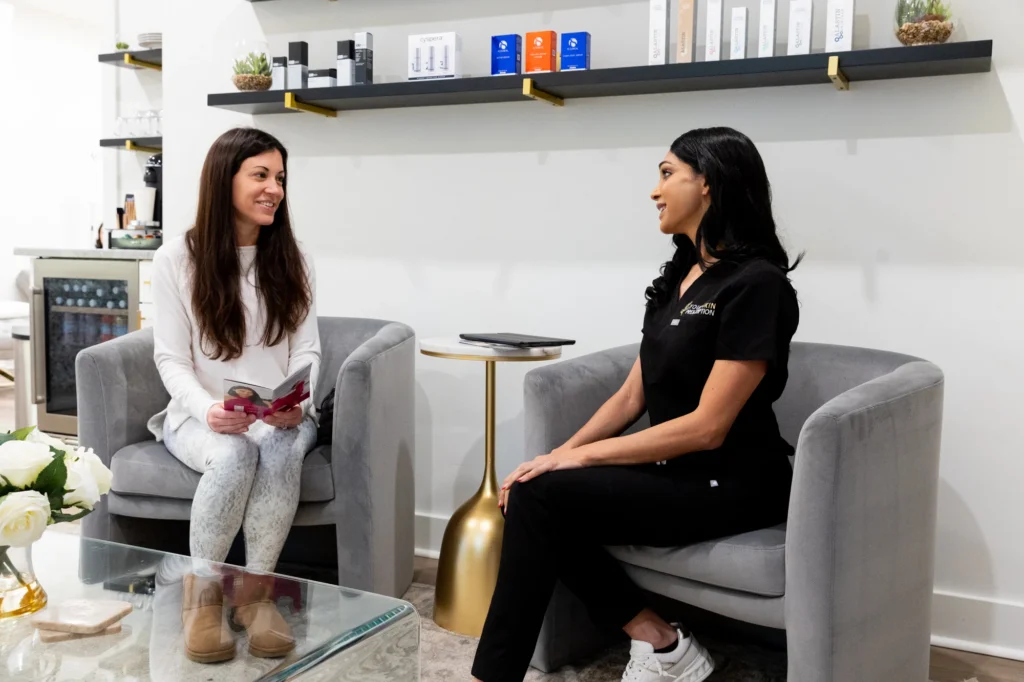

The most common question we get is, “how long does a chemical peel take?” The truth is, there’s no single answer because every treatment is tailored just for you. Your skin’s unique needs determine everything—from the strength of the peel to the areas we treat. This personalized approach is key to getting amazing results. We created this guide to walk you through the entire chemical peel recovery timeline, step by step. You’ll get a clear picture of what to expect during your treatment and healing, so you can feel confident on your path to a radiant complexion.
.cta-btn{display:inline-block!important;padding:12px 32px!important;font-size:16px!important;font-weight:500!important;text-decoration:none!important;color:#4a4a4a!important;background-color:#fff!important;border-radius:40px!important;border:none!important;transition:all .3s ease-in-out!important}.cta-btn:hover{background-color:#f5f2eb!important;color:#6c6c5f!important}
Key Takeaways
- Plan Your Peel Around Your Goals: The strength of your chemical peel is matched to your specific skin concerns, which directly shapes your in-office appointment time and the length of your social downtime.
- Let Your Skin Heal on Its Own Terms: Flaking is a positive sign that the treatment is working. The most important rule for a smooth recovery is to resist the urge to pick or scrub at your skin, which can lead to irritation or scarring.
- Simple Aftercare Secures Your Results: Your post-peel routine is your most important tool; focus on a gentle cleanser, a hydrating moisturizer, and a non-negotiable daily sunscreen to protect your fresh skin and ensure a beautiful outcome.
So, What Exactly Is a Chemical Peel?
Let’s start with the basics. You’ve probably heard the term “chemical peel” and pictured something intense, but the concept is actually quite simple. A chemical peel is a professional skin treatment that uses a specialized solution to gently remove the outermost layers of your skin. Think of it as a powerful reset button. By clearing away old, damaged cells, the treatment makes way for the fresh, smoother skin waiting just underneath. It’s one of the most effective ways to address a whole range of skin concerns, from fine lines and sun damage to acne and uneven texture. The goal is to stimulate your body’s natural healing process, revealing a brighter, more even-toned complexion.
Light, Medium, or Deep: Which Peel Is for You?
Not all peels are created equal, which is great because neither is our skin. Peels are generally categorized into three levels of intensity, and the right one for you depends entirely on your skin’s condition and what you’re hoping to achieve.
- Light Peel: This is the gentlest option. It works on the very top layer of skin to treat fine wrinkles, acne, dryness, and uneven tone. You can often get these peels every two to five weeks to maintain your glow.
- Medium Peel: Going a bit deeper, this peel removes cells from the top and middle layers of your skin. It’s a great choice for more noticeable wrinkles, acne scars, and uneven skin tone.
- Deep Peel: This is the most intensive option, reaching the deeper layers of your skin. It’s used for significant concerns like deep-set wrinkles or scars. A deep peel is a powerful, one-time treatment.
What Skin Concerns Can a Chemical Peel Address?
One of the best things about a chemical peel is just how versatile it is. It’s not a one-trick pony; it’s a comprehensive treatment that can address a whole host of common skin frustrations. If you’re bothered by fine lines and wrinkles, stubborn dark spots (hyperpigmentation), or a generally uneven skin tone, a peel can make a real difference. It’s also a fantastic option for anyone looking to refresh their complexion and achieve a smoother, more radiant look. Peels are known to be effective for treating a range of issues, including redness, certain types of scars, and even melasma, making it possible to target multiple concerns at once.
Common Treatment Areas
Beyond signs of aging and pigmentation, chemical peels are a game-changer for anyone dealing with acne-prone skin. They work wonders to clear out clogged pores, which helps reduce active breakouts and prevent new ones from forming. For those of us left with reminders of past blemishes, peels are also incredibly effective at fading post-acne marks and scars. Plus, they are a go-to treatment for addressing the effects of sun exposure, like age spots and uneven skin color. By removing the damaged outer layers, the treatment encourages healthier, clearer skin to come to the surface, giving you a fresh start.
How Peels Work to Reveal Brighter Skin
So, what’s happening on a cellular level? The magic is in the acid-based solution. When applied, these special acids dissolve the bonds holding dead skin cells together. This process is a form of controlled exfoliation that signals your skin to kickstart its renewal cycle. As the old layer sheds, your body gets to work producing fresh, new cells and even new collagen, the protein that gives skin its firmness. The result isn’t just the removal of surface-level imperfections; it’s the growth of genuinely healthier, more radiant skin from within.
How Long Does a Chemical Peel Take?
One of the most common questions we get is about timing. While the actual in-office procedure for a chemical peel is surprisingly quick, the full timeline includes your recovery. The length of your appointment and the downtime that follows really depends on the type of peel you choose. Let’s break down what you can expect for each level of treatment, so you can plan accordingly.
Light Peels: Your “Lunchtime” Treatment
Often called a “lunchtime peel,” a light or superficial peel is the perfect way to refresh your skin without major downtime. The appointment itself is usually over in about 30 minutes. Afterward, you might notice some redness for a few hours, similar to a mild sunburn. The peeling typically starts within two to three days and is often light and flaky. Your skin should be fully healed within a week, revealing a brighter, smoother complexion. It’s an ideal choice for regular maintenance or getting a healthy glow before a special occasion.
Medium Peels: Plan for a Longer Session
If you’re looking to address more specific concerns like fine lines, minor acne scars, or uneven skin tone, a medium-depth peel is a fantastic option. The treatment itself takes about 30 to 60 minutes. The recovery, however, requires a bit more planning. You can expect a healing period of about five to seven days, which includes more noticeable peeling, redness, and potentially some swelling. We recommend clearing your social schedule for about a week to give your skin the space it needs to heal and reveal its fresh, new layer. It’s a bit more of a commitment, but the results are well worth it.
Deep Peels: The Most Time-Intensive Option
A deep peel is the most intensive treatment, designed for a complete skin reset to address more significant concerns like deeper wrinkles or sun damage. The procedure can take up to 90 minutes. The recovery process is also the most involved, requiring a true commitment to aftercare. Healing can take two weeks or longer, with significant redness and swelling. According to the Mayo Clinic, you’ll need to follow a strict regimen of soaking the skin and applying ointment to aid healing. This is a powerful, transformative treatment, so planning for dedicated downtime is absolutely essential for achieving the best possible results.
What Factors Influence Your Appointment Time?
So, you’re wondering exactly how much time to block out in your calendar. The truth is, there’s no single answer. Your chemical peel is a completely personalized treatment, which means your timeline will be unique to you. Think of it less like a one-size-fits-all appointment and more like a custom-tailored experience for your skin. Several key factors come into play, from the specific area you want to treat to the type of peel that will give you the best results. Understanding these variables will help you know what to expect for both your appointment and your recovery.
The Area You’re Treating
It makes sense that the more skin we’re treating, the longer the process will take. A chemical peel focused on a small area, like around the mouth or on the forehead, will naturally be quicker than a full-face treatment. If you’re looking to address concerns on your neck, chest, or back, the appointment time will extend accordingly. During your consultation, we’ll discuss your goals and map out the exact treatment zones. This helps us give you a precise estimate of how long you’ll be relaxing with us at the spa, ensuring there are no surprises on the day of your appointment.
Your Personal Skin Goals and Condition
Your skin has its own story, and we always listen to it. Factors like your skin type, tone, and sensitivity play a huge role in how we approach your peel. For instance, very sensitive skin might require a gentler approach and a bit more observation time. Similarly, the procedure for different skin tones is carefully considered to ensure a beautiful, even outcome without complications like hyperpigmentation. Whether you’re dealing with stubborn acne, fine lines, or sun damage, we tailor the treatment to your specific needs, which directly influences both the in-office time and your recovery plan.
The Specific Peel Strength We Choose
Not all chemical peels are created equal. They range from light, superficial peels that feel like a quick refresh to deep peels that create a more dramatic transformation. The strength of the peel we choose is based entirely on your skin goals. A light peel might only take a few minutes to apply, while a medium or deep peel requires more time and careful monitoring during the appointment. As a general rule, the stronger the peel, the more time is needed for both the application and the subsequent recovery. Deeper peels work on more layers of skin, so they naturally require a longer healing journey.
Are You a Good Candidate for a Chemical Peel?
While chemical peels are incredibly effective for a wide range of skin concerns, they aren’t the right fit for everyone. The best way to know if a peel is your next step toward radiant skin is through a one-on-one consultation. At Your Skin Prescription, our skilled aestheticians take the time to understand your skin’s history, your lifestyle, and your ultimate goals. We consider everything from your daily routine to any underlying skin conditions to ensure a peel will be both safe and effective for you. This careful evaluation helps us determine if you’re a great candidate or if another treatment might be better suited to your needs.
Factors That Affect Candidacy
Determining if a chemical peel is right for you starts with a close look at your unique skin profile. Your skin type, tone, and sensitivity level are the most important factors we consider. For example, someone with very sensitive skin might need a gentler formula and more observation, while different skin tones require a careful approach to prevent hyperpigmentation and ensure an even result. Your specific concerns—whether it’s persistent acne, fine lines, or sun damage—also guide our recommendation. A personalized chemical peel plan is designed to address your goals while respecting your skin’s natural characteristics, ensuring a beautiful and healthy outcome.
Potential Risks and Side Effects
It’s also important to be aware of the potential side effects and the commitment that comes with recovery. While light peels have minimal downtime, medium and deep peels involve a more significant healing process. Common side effects include redness, swelling, and peeling, which can last from several days to a couple of weeks depending on the peel’s intensity. According to the Mayo Clinic, deeper peels require a strict aftercare routine that may include soaking the skin and applying protective ointment. Being a good candidate means you’re ready to follow these post-treatment instructions carefully and can plan for the necessary social downtime to allow your skin to heal properly.
A Step-by-Step Guide to Your Peel Appointment
The idea of a chemical peel can sound a little intimidating, but the actual process is straightforward, controlled, and designed to make you feel refreshed. Knowing exactly what happens during your appointment can help you relax and enjoy the experience. Think of it as a three-part journey: the personalized consultation where we plan your treatment, the application of the peel itself, and the first crucial aftercare steps we’ll guide you through before you leave.
At Your Skin Prescription, our goal is to make every step feel comfortable and clear. We’ll be with you from start to finish, explaining what we’re doing and what you can expect to feel. The entire process is a collaboration between you and your aesthetician, focused on achieving your specific skin goals safely and effectively. From the moment you walk in, we’ll focus on creating a treatment plan that leaves you with that signature glow.
Step 1: Skin Prep and Consultation
Your chemical peel experience doesn’t start with the peel itself—it starts with a conversation. Before any treatment, you’ll have a thorough consultation with one of our skilled aestheticians. We’ll chat about your skin concerns, your goals, and your health history to make sure a peel is the right fit for you. We’ll also analyze your skin type and condition to select the perfect chemical solution and strength. This step is all about personalization. It ensures your treatment is tailored specifically to you, giving you the best and safest results possible. This is also the perfect time to ask any questions you might have!
Step 2: Applying the Chemical Solution
Once we’ve chosen the right peel for you, it’s time to get comfortable. First, we’ll gently and thoroughly cleanse your skin to remove any oils or impurities. We’ll also make sure your hair and eyes are protected. Next, your aesthetician will carefully apply the chemical solution to the treatment area. As the peel begins to work, it’s common to feel a mild tingling, stinging, or warming sensation. This is completely normal and usually subsides quickly. We monitor your skin closely throughout the entire application to ensure you’re comfortable and the treatment is progressing perfectly.
Step 3: Neutralizing and Soothing Your Skin
As soon as the peel is complete and neutralized, your skin will likely look a bit red and feel tight, similar to a mild sunburn. This is a sign that the peel is doing its job, stimulating cell turnover and collagen. Before you head out, we’ll apply a soothing moisturizer and, most importantly, a broad-spectrum sunscreen to protect your fresh, sensitive skin. We’ll also give you detailed instructions for at-home aftercare, which will include gentle cleansing, consistent moisturizing, and diligent sun protection. Following these first steps is key to a smooth healing process and beautiful results.
Your Chemical Peel Recovery Timeline, Explained
Once you leave our serene space, your skin’s renewal process truly begins. The question on everyone’s mind is, “How long will this take?” The answer really depends on the intensity of your peel. While every person’s skin heals at its own pace, we can give you a general timeline so you can plan your social calendar accordingly. It’s so important to remember that any peeling you experience is a positive sign—it’s your body’s way of shedding old, damaged cells to make way for the fresh, healthy skin underneath. Think of it as an unveiling.
Before you leave, your aesthetician will walk you through a detailed aftercare plan tailored specifically to your skin and your treatment. Following these steps is crucial for a smooth recovery. Understanding the typical healing journey can help you feel prepared and confident as your skin transforms. Whether you’ve chosen a light refresh or a deeper reset, patience is your best friend. Giving your skin the time and care it needs to heal is the final, essential step to achieving those beautiful, lasting results you’re looking for. Below, we’ll break down what recovery generally looks like for each type of chemical peel.
Light Peel Recovery: A Quick 1-7 Days
If you had a light chemical peel, you can expect a very manageable recovery. Think of it as a mini-vacation for your skin with minimal downtime. For the first few days, you’ll likely notice some mild redness, dryness, and light flaking, similar to a slight sunburn. This is completely normal as the peel works on the outermost layer of your skin to address minor discoloration and texture issues. You shouldn’t feel any pain, and you can typically resume your normal activities right away—just be extra diligent with moisturizer and sunscreen. Most people find the peeling process is finished within three to five days, revealing a brighter, more even-toned complexion.
Medium Peel Recovery: Expect 7-14 Days
A medium peel goes a little deeper to tackle more stubborn concerns like fine lines and dark spots, so your recovery will be a bit more involved. Expect the peeling to be more noticeable, starting around day three and lasting for up to a week. Your skin will likely look red and feel tight and swollen for the first couple of days. Some people experience mild discomfort, but this usually subsides quickly. During this time, it’s crucial to let your skin shed naturally—no picking or scrubbing! Following your aftercare instructions carefully will help manage any flaking and ensure your skin heals beautifully. By the end of the week, you’ll start to see smoother, clearer skin emerge.
Managing Post-Peel Redness
Redness after a chemical peel is not only normal—it’s a sign that your skin is hard at work healing and regenerating. Think of it as a temporary blush that signals a fresh start. For a light peel, this redness might only last a few hours. After a medium or deep peel, your skin will look red for several days, and this can sometimes last for a week or two as the new skin reveals itself. The best way to manage this is to treat your skin with extra care. Stick to the gentle cleanser and soothing moisturizer we recommend, and avoid picking at any flaking skin, which can increase irritation. Following your personalized aftercare plan is the most important step to ensure the redness fades smoothly, leaving you with a calm, beautiful complexion.
Deep Peel Recovery: Plan for 14+ Days of Healing
A deep chemical peel is the most intensive option, designed for significant concerns like deep wrinkles or acne scars. Because it penetrates the deeper layers of your skin, the recovery is longer and requires more care. For the first one to two weeks, your face will be quite red and swollen, and you may experience some scabbing as it heals. We’ll provide you with a specific skincare regimen to keep the area clean and moisturized to prevent infection. It’s best to plan for some social downtime during this initial period. While the most intense phase of recovery from a deep peel can take a couple of weeks, the redness may linger for a bit longer, but it can be covered with makeup once your skin has healed over.
Long-Term Healing and Redness
It’s important to set realistic expectations for redness, especially after a medium or deep peel. While the most intense redness and swelling will calm down within the first couple of weeks, a lingering pinkish tone can sometimes last for several months. This is a completely normal sign that your skin is still healing and regenerating deep within its layers. The good news is that this is a temporary phase. You can usually start wearing makeup and using your regular skincare products again after about two weeks, once the initial peeling has stopped. Think of this extended healing time as an investment in your skin’s future—it’s what allows for that truly transformative, long-lasting result.
What to Expect Day-by-Day After Your Peel
Knowing what to expect after your chemical peel can make the recovery process feel much more manageable. While your exact timeline will depend on the type and depth of your peel, this day-by-day guide offers a general look at the journey back to radiant skin. Remember, your skin is undergoing a renewal process, and a little patience goes a long way. We’ll walk you through each stage so you can feel confident and prepared as your fresh, new skin is revealed.
Days 1-2: That Tight, Sunburned Feeling
Right after your treatment, your skin will likely look and feel like it has a moderate sunburn. Expect some redness, tightness, and sensitivity to the touch. This is a completely normal reaction and a sign that the peel is beginning to work its magic. During this time, your main job is to be gentle with your skin. We’ll provide you with specific aftercare instructions, which usually involve using a mild cleanser, applying a soothing moisturizer, and, most importantly, avoiding direct sun exposure. Following these post-peel care tips is crucial for a smooth and successful healing process.
Common Sensations: Tingling and Tightness
It’s completely normal to wonder what a chemical peel actually feels like. During the application, many people describe a mild tingling or warming sensation as the solution gets to work. This feeling is temporary and a good sign that the active ingredients are doing their job to exfoliate the outer layers of your skin. Immediately after the peel is neutralized, your skin will likely feel tight and look a bit flushed, much like a mild sunburn. This tightness is also a positive indicator; it means your skin is beginning its natural process of renewal and collagen stimulation. Think of these sensations not as side effects, but as feedback from your skin telling you that the transformation has begun.
Days 3-5: Let the Flaking Begin
This is when the “peel” really starts to happen. You’ll notice your skin beginning to flake and shed, usually starting around your mouth and nose before moving outward. It might not be the most glamorous phase, but it’s a sign that the dull, damaged outer layers are making way for the healthy skin underneath. The single most important rule here is: do not pick, pull, or scrub at the flaking skin. Let it shed naturally. Forcibly removing it can lead to irritation, scarring, or changes in pigmentation. Just continue with your gentle cleansing and moisturizing routine to keep your skin comfortable.
Skin Discoloration Before Peeling
Don’t be surprised if your skin appears a bit darker or blotchy right before the peeling starts. This is a completely normal and expected part of the healing process. As the top layer of skin prepares to shed, it can take on a darker, almost ‘crusty’ appearance. Think of it as the final stage for your old skin before the big reveal. This discoloration is a sign that the peel has done its job effectively and that fresh, new skin is getting ready to emerge from underneath. This phase usually happens around day three or four and is temporary. Just continue to follow your aftercare plan, and trust the process.
Potential for Minor Breakouts
It might seem counterintuitive, but it’s not uncommon to see a few minor blemishes pop up as your skin is healing. This is often a result of the peel bringing underlying congestion to the surface, a process sometimes referred to as skin purging. As your skin exfoliates and renews itself, it pushes out impurities that were trapped deeper within your pores. These small breakouts are typically temporary and tend to appear toward the end of the peeling phase. They usually clear up on their own within a few days. Whatever you do, resist the urge to pick or squeeze them. Your skin is extra sensitive right now, and picking can lead to irritation or scarring. Just stick to your gentle aftercare routine and let your skin finish its healing cycle.
Days 5-7: Revealing Smoother, Brighter Skin
By the end of the first week, the most intense peeling should be subsiding. As the old skin flakes away, you’ll start to see the beautiful results of your treatment. The new skin emerging will look smoother, brighter, and more evenly toned. While it’s exciting to see this progress, remember that this fresh skin is still delicate and sensitive. It’s essential to continue protecting it with a broad-spectrum sunscreen of SPF 30 or higher every single day. This is a non-negotiable step to protect your investment and maintain your gorgeous chemical peel results.
Week 2+: Enjoying Your Final Results
As you move into the second week, any lingering redness or flaking should be minimal to non-existent. Your skin’s texture and appearance will continue to improve, revealing a more radiant and refreshed complexion. At this point, you can typically reintroduce your regular skincare products, though it’s always best to consult with your aesthetician first. Your final results are now on full display! To keep your skin looking its best, we can help you build a maintenance plan, which may include follow-up treatments and a personalized at-home regimen. Ready to discuss your options? Get in touch with us at Your Skin Prescription.
Special Considerations for Deep Peel Recovery
A deep peel is a truly transformative treatment, and its recovery journey is just as unique. While the general timeline gives you a good idea of what to expect, there are a couple of specific things to be aware of as you heal. Knowing about these possibilities ahead of time can help you feel prepared and confident as your skin renews itself from its deepest layers. It’s important to remember that these are normal signs of an effective treatment, not complications. With the right aftercare, which we’ll guide you through every step of the way, you can manage these symptoms and support your skin’s incredible transformation.
Severe Swelling and Crusting
Because a deep peel is the most intensive option, its recovery is also the most involved. This treatment is designed to address significant concerns like deep-set wrinkles or scars by reaching the lower layers of your skin. As a result, you should plan for a period of significant healing. For the first one to two weeks, your face will be quite red and swollen, and it’s common to experience some crusting or scabbing as the new skin forms underneath. This is a completely normal part of the healing process and a sign that the treatment is working effectively. Following your personalized aftercare plan is essential during this time to keep your skin protected and comfortable.
The Appearance of Milia
As your skin heals from a deep peel, you might notice small, white, or yellowish bumps appearing on the surface. Don’t be alarmed—this is a common and temporary side effect. These tiny bumps, known as milia, are essentially tiny cysts that form when dead skin cells get trapped under the new skin. They often appear as the skin is in its final stages of healing. The most important thing to do is to leave them alone. Do not try to pick at or extract them, as this can lead to scarring. They will typically resolve on their own as your skin continues its renewal cycle. If you have any concerns, we are always here to guide you.
Let’s Bust Some Common Chemical Peel Myths
The idea of a “chemical peel” can bring some pretty dramatic images to mind, thanks to TV shows and movies. But the reality is often much gentler and more manageable than you might think. A lot of the hesitation around this amazing treatment comes from simple misunderstandings. Let’s clear the air and separate fact from fiction so you can feel confident about your decision to reveal brighter, smoother skin.
Myth #1: “My Whole Face Will Peel Off!”
The biggest fear for many is walking around with sheets of skin peeling off their face. While your skin is shedding its dull, outer layer, the process is usually much more subtle. For most light to medium peels, you can expect some moderate flaking, redness, and a bit of swelling for up to a week. Think of it more like the aftermath of a mild sunburn than a full-on facial overhaul. The intensity of the peeling process directly relates to the strength of the peel, and we’ll always discuss what you can expect before your treatment begins.
Myth #2: “It’s Going to Hurt… a Lot.”
Another common worry is that the treatment will hurt. While you’ll definitely feel something, pain isn’t the right word for it. Most people describe the chemical peel process as a “tingling,” “warm,” or “tight” sensation while the solution is on their skin. It can feel a little intense for a few minutes, but it’s temporary and a sign that the active ingredients are doing their job. Our skilled aestheticians are experts at ensuring you’re comfortable from start to finish, so you can just relax.
Myth #3: “One Peel Is All I’ll Ever Need.”
A chemical peel can deliver incredible results, but it’s not a magic wand that stops the aging process forever. Think of it as a powerful reset for your skin. Over time, natural aging and new sun exposure will inevitably lead to new lines and changes in your skin tone. For this reason, the results are not forever. To maintain that gorgeous glow, we often recommend a series of treatments followed by periodic maintenance peels. It’s all part of a consistent skincare strategy to keep your skin looking its absolute best.
Maintaining Your Results: How Long Do Peels Last?
You’ve made it through the peeling phase and are absolutely loving your fresh, glowing skin. Now, the big question is: how do you keep it looking this good? The longevity of your chemical peel results depends on two main things: the depth of the peel you received and how well you care for your skin afterward. A consistent at-home routine and diligent sun protection are your best tools for protecting your investment. Think of our professional in-spa treatments as the reset and your daily habits as the maintenance. Together, they ensure your beautiful results last as long as possible.
Light Peel Maintenance
A light peel is like a regular refresh for your skin. Because it works on the very top layer, it’s perfect for tackling concerns like minor dryness or dullness. The results are immediate and beautiful, but they are also the most temporary. To maintain that bright, even tone, we typically recommend scheduling these treatments every two to five weeks. This consistent approach keeps dead skin cells from building up and ensures your skin stays smooth and luminous. It’s an amazing way to make professional exfoliation a regular part of your skincare strategy.
Medium Peel Maintenance
A medium peel offers a more significant reset, addressing concerns like fine lines and minor acne scars by reaching the middle layers of your skin. Because the treatment goes deeper, the results last much longer than those from a light peel—often for several months. However, your skin is still subject to natural aging and environmental factors. To keep your complexion looking its best, you might consider a follow-up medium peel every six to twelve months. Your aesthetician will help you create a personalized schedule that aligns with your long-term skin goals, ensuring you get the most out of your treatment.
Deep Peel Longevity
A deep chemical peel is a truly transformative, one-time treatment that delivers dramatic and long-lasting results. By targeting the deeper layers of the skin to address significant wrinkles or scars, the effects can last for many years—sometimes even up to a decade. This isn’t a treatment you’ll need to repeat. Instead, the focus shifts entirely to preservation. Protecting your new, healthy skin from the sun is absolutely non-negotiable to maintain your results. A consistent daily skincare routine, including a high-SPF sunscreen, will be your best defense in safeguarding your incredible transformation for years to come.
Your Post-Peel Aftercare Plan
Getting a chemical peel is an exciting step toward brighter, smoother skin, but what you do after your appointment is crucial for achieving those amazing results. Proper aftercare helps your skin heal beautifully and protects your investment in your complexion. Think of this as your simple, straightforward guide to post-peel care, ensuring you get the most out of your treatment.
Your New Gentle Skincare Routine
After a peel, your skin is in a delicate, regenerative state. This is not the time for your 10-step routine with active ingredients. Instead, pare everything back to the essentials. We recommend gently washing your face twice a day with a mild, soap-free cleanser and cool water. Pat your skin dry with a soft towel—no rubbing! Follow up with a neutral, hydrating moisturizer to soothe and protect your healing skin. Your aesthetician at Your Skin Prescription can recommend specific products that are safe to use post-peel. For now, put away the exfoliants, retinoids, and vitamin C serums until we give you the green light.
Why Sunscreen Is Non-Negotiable
This is the golden rule of post-peel care: sunscreen is non-negotiable. Your new skin is extremely sensitive to UV rays, and sun exposure can quickly lead to hyperpigmentation, undoing the benefits of your treatment. Every morning, apply a broad-spectrum sunscreen with an SPF of 30 or higher. Make it the last step of your routine, even if you’re indoors or it’s cloudy. If you’re outside for an extended period, reapply every two hours. A physical sunscreen containing zinc oxide or titanium dioxide is often a gentle choice for sensitive, post-procedure skin.
Products and Habits to Pause While Healing
Patience is key during the healing process. You will likely experience some flaking—this is a normal part of the renewal process. As tempting as it may be, please do not pick, pull, or scrub at the flaking skin. Let it shed naturally to avoid scarring or infection. You should also steer clear of anything that could cause irritation. This includes hot showers, saunas, swimming pools, waxing the treated area, and strenuous workouts that cause excessive sweating for the first few days. Giving your skin a calm environment is the best way to support its healing and reveal that gorgeous glow.
Immediate Aftercare: The First 48 Hours
For the first day or two after your peel, your skin will likely feel tight and look a bit red, much like a mild sunburn. This is a completely normal and expected part of the process—it’s a sign that the peel is starting to work its magic. Your main job during this time is to be incredibly gentle. We’ll send you home with specific aftercare instructions, but the core rules are simple: use a mild cleanser, apply a soothing moisturizer to keep your skin hydrated, and avoid direct sun exposure. This initial period of care sets the stage for a beautiful healing process and ensures your skin gets the calm environment it needs to begin its renewal.
Lifestyle Tips for a Smooth Recovery
As your skin begins to flake, you might be tempted to help the process along. Please resist the urge! The most important rule for a smooth recovery is to let your skin shed on its own terms. Picking, pulling, or scrubbing at the flaking skin can interrupt the healing cycle and potentially lead to irritation, scarring, or infection. Patience is truly your best friend here. To support your skin, also try to avoid strenuous exercise, saunas, and very hot showers for a few days, as excessive heat and sweat can cause irritation. Following the aftercare plan we provide is the best way to manage the flaking and ensure you see that smooth, clear skin emerge.
When to Call Your Aesthetician
We want you to feel supported throughout your entire recovery. While some redness and peeling are normal, there are a few signs that might indicate your skin isn’t healing as expected. Please don’t hesitate to contact our Sewickley med spa if you experience significant pain that doesn’t subside, any bleeding, swelling that seems excessive or worsens over time, or signs of new scarring. These symptoms are uncommon, but it’s always best to check in with us. Your comfort and safety are our top priorities. If you have any questions or feel unsure about what you’re experiencing, a quick call can provide peace of mind. We are here to guide you through every step of the process.
Related Articles
- Chemical Peels in Sewickley | Your Skin Prescription
- Medical Facial in Sewickley | Your Skin Prescription
- Facial Add-on Services – Your Skin Prescription
- Dermaplaning in Sewickley | Your Skin Prescription
- Korean Facial in Sewickley | Your Skin Prescription
.cta-btn{display:inline-block!important;padding:12px 32px!important;font-size:16px!important;font-weight:500!important;text-decoration:none!important;color:#4a4a4a!important;background-color:#fff!important;border-radius:40px!important;border:none!important;transition:all .3s ease-in-out!important}.cta-btn:hover{background-color:#f5f2eb!important;color:#6c6c5f!important}
Frequently Asked Questions
How do I know which type of chemical peel is right for me? That’s the best part—you don’t have to figure it out on your own! The right peel for you depends entirely on your unique skin and what you’re hoping to achieve. During your consultation, we’ll sit down and chat about everything from your skin concerns to your lifestyle. Based on that conversation, we’ll recommend the perfect treatment, whether it’s a light refresh for a healthy glow or a medium peel to address more specific texture or tone issues.
Will the chemical peel process be painful? This is easily the most common question, and I’m happy to report that the treatment is much more comfortable than it sounds. Most people describe the sensation as a temporary tingling, warming, or tightness while the solution is on the skin. It’s a sign that the active ingredients are getting to work. Our aestheticians are experts at keeping you comfortable and will be with you every step of the way.
How soon can I wear makeup after my peel? It’s best to give your skin a little breathing room while it’s in the initial healing phase. We generally recommend waiting until the most active peeling has finished, which could be anywhere from a day or two for a light peel to about a week for a medium peel. When you do start wearing makeup again, mineral-based formulas are often a great, gentle choice for your fresh new skin.
How many treatments will I need to see the results I want? You will absolutely see a brighter, smoother complexion after just one peel. However, for more significant concerns like stubborn pigmentation or fine lines, a series of treatments spaced a few weeks apart often delivers the most transformative and lasting results. Once you’ve achieved your goals, we can create a simple maintenance plan to keep your skin looking its best.
Is there anything I should do to prepare my skin before my appointment? Yes, a little prep can make a big difference! We typically advise clients to avoid using products with retinoids, salicylic acid, or benzoyl peroxide for about a week before their peel. It’s also important to skip any waxing or exfoliating treatments on the area and to be extra diligent with sunscreen. Don’t worry, we’ll go over all the specific pre-treatment instructions with you during your consultation.

Rain Hoffmann is the founder of Your Skin Prescription, a modern med spa in Sewickley, PA. With a passion for advanced skincare and aesthetics, she specializes in Korean facials, medical facials, laser treatments, and results-driven skin care. Rain is dedicated to providing a pampering, stress-free experience in an elegant and welcoming environment.