
In the quest for smoother skin, it’s easy to make a few wrong turns. Maybe you’ve tried harsh scrubs that left your face feeling tight and irritated, or piled on too many active ingredients at once, only to end up with more redness. Sometimes, the most important step is learning what to avoid. This guide is here to help you sidestep those common mistakes. We’ll focus on a gentle, effective approach that respects your skin’s natural barrier while still delivering powerful results. By understanding what not to do, you can create a sustainable and successful plan for improving skin texture for the long haul.
.cta-btn{display:inline-block!important;padding:12px 32px!important;font-size:16px!important;font-weight:500!important;text-decoration:none!important;color:#4a4a4a!important;background-color:#fff!important;border-radius:40px!important;border:none!important;transition:all .3s ease-in-out!important}.cta-btn:hover{background-color:#f5f2eb!important;color:#6c6c5f!important}
Key Takeaways
- Build a strong foundation at home: Your daily habits are the most important factor for smooth skin. Prioritize a simple, consistent routine with a gentle cleanser, moisturizer, and daily sunscreen, and be careful not to over-exfoliate or use too many active ingredients at once.
- Combine smart ingredients with professional services: Add proven ingredients like retinoids, exfoliating acids, and peptides to your routine to refine texture over time. For more significant results, professional treatments like chemical peels and microneedling can accelerate your progress by resurfacing the skin and rebuilding collagen.
- Trust the process and seek expert advice: Real change takes time, so be patient as your skin adjusts to new products and treatments. When you’re ready for a targeted plan, consulting with a medical aesthetician is the best way to get personalized recommendations and ensure you achieve your goals safely.
What Causes Uneven Skin Texture?
If you’ve ever run your fingers over your face and wished it felt smoother, you’re not alone. Uneven skin texture is one of the most common skin concerns, and it can be caused by a combination of factors. Understanding what’s behind that rough, bumpy, or pitted appearance is the first step toward achieving the smooth, radiant complexion you want. From natural aging to daily habits, let’s look at what contributes to uneven skin.
How Age Affects Your Skin’s Surface
As we get older, our skin naturally changes. The production of collagen and elastin, the proteins responsible for keeping skin firm and plump, begins to slow down. This causes the skin to lose some of its youthful bounce. At the same time, your skin’s natural exfoliation process, known as cell turnover, also decelerates. This means dead skin cells don’t shed as quickly, and they can build up on the surface. This accumulation can leave your skin feeling rough, looking dull, and emphasizing the appearance of fine lines.
The Impact of Sun and Environmental Stressors
Your daily environment plays a huge role in your skin’s health and texture. Unprotected sun exposure is a primary cause of textural changes. UV radiation breaks down collagen and elastin, which can lead to a rough, leathery feel over time. It also triggers the formation of sunspots and dark patches, contributing to an uneven tone that often accompanies a rough texture. Beyond the sun, daily exposure to pollutants and other environmental aggressors can create free radical damage, stressing the skin and compromising its smooth surface.
The Lingering Effects of Acne and Breakouts
For many, the battle doesn’t end when a pimple disappears. The aftermath of acne can leave behind textural irregularities that are frustrating to deal with. This includes atrophic scars, which are the small indentations or “pits” that form when deep inflammation damages the skin’s supportive structure. Another common issue is post-inflammatory hyperpigmentation (PIH), the dark spots that linger long after a breakout has healed. Both types of scarring disrupt the skin’s surface, creating an uneven texture that can make you feel self-conscious.
Why Your Daily Habits Matter
What you do every day has a bigger impact on your skin than you might think. Your lifestyle choices are directly reflected in your complexion’s health and texture. Chronic dehydration can leave your skin parched and rough, while a diet high in processed foods can contribute to inflammation. High stress levels can also wreak havoc, triggering hormonal fluctuations that may affect your skin’s clarity and smoothness. Prioritizing hydration, eating a nutrient-rich diet, getting consistent sleep, and finding healthy ways to manage stress are foundational for supporting your skin from the inside out.
Key Ingredients for Smoother Skin
Walking down the skincare aisle can feel like you need a chemistry degree to understand what you’re buying. But you don’t need to know every ingredient to see real changes in your skin. Focusing on a few proven, powerhouse ingredients is the secret to building a routine that effectively targets uneven texture. These are the all-stars that work to exfoliate, renew, and rebuild your skin from the inside out. By incorporating them into your daily habits, you give your skin the tools it needs to become smoother, clearer, and more radiant.
Finding the right combination for your unique skin is key, and it’s always a great idea to get professional guidance. The medical aestheticians at Your Skin Prescription can help you create a personalized plan that brings you closer to your goals.
AHAs: For a Brighter Surface
If your skin looks dull or feels a little rough, Alpha Hydroxy Acids (AHAs) are your new best friend. Think of ingredients like lactic acid and poly hydroxy acid as gentle polishers for your skin’s surface. Unlike harsh physical scrubs that can cause micro-tears, AHAs work by dissolving the bonds that hold dead skin cells together. This chemical exfoliation process helps sweep away that top layer of buildup, revealing the brighter, fresher skin underneath. Regular use can lead to a more even skin tone and a noticeably smoother feel, making them a staple for anyone wanting a healthy glow.
BHAs: To Clear Out Pores
While AHAs work their magic on the surface, Beta Hydroxy Acids (BHAs) go a little deeper. The most well-known BHA is salicylic acid, and it’s famous for a reason. Because it’s oil-soluble, it can penetrate into your pores to clear out the excess sebum, dead skin, and debris that lead to congestion and breakouts. This deep cleaning action not only helps prevent future blemishes but also minimizes the appearance of pores and reduces inflammation. If you find that your skin texture issues are linked to blackheads or persistent congestion, a BHA-based product can be a game-changer for achieving a clearer, smoother complexion.
Retinoids: To Speed Up Cell Renewal
Retinoids are true multitaskers and are considered the gold standard for improving skin texture and signs of aging. As derivatives of Vitamin A, they work by accelerating your skin’s natural cell turnover process. This means your skin sheds old, damaged cells more quickly and generates new, healthy ones in their place. This rapid renewal helps to smooth fine lines, fade dark spots, and even stimulate collagen production for a firmer look over time. Whether you start with an over-the-counter retinol or a stronger form, introducing a retinoid is one of the most effective steps you can take for transformative results.
Vitamin C & Niacinamide: For Overall Skin Health
Think of Vitamin C and niacinamide as your daily support system for healthy skin. Vitamin C is a powerful antioxidant that helps protect your skin from environmental stressors like pollution while also working to brighten your overall complexion. It’s a morning routine essential. Niacinamide, on the other hand, is a versatile B vitamin that helps calm redness, strengthen your skin’s barrier, and refine the look of pores. Together, these ingredients contribute to overall skin health, creating a resilient and even-toned canvas that feels as good as it looks.
Peptides: To Support Firmness
If you’re noticing that your skin doesn’t feel as firm or bouncy as it used to, peptides are the ingredient to look for. Peptides are short chains of amino acids that act as the building blocks for proteins like collagen and elastin, which are essential for skin’s structure and elasticity. When applied to your skin, they act as messengers, signaling your cells to produce more of these crucial proteins. The result is skin that appears firmer and plumper, which in turn helps to smooth out texture caused by a loss of firmness. They are a gentle yet effective addition to any pro-aging skincare routine.
How to Improve Skin Texture at Home
While professional treatments can deliver incredible results, the secret to maintaining smooth, radiant skin truly lies in your day-to-day habits. Think of your at-home care as the foundation of your entire skincare strategy. Creating a consistent and thoughtful routine is what builds long-term results and makes professional services even more effective. With the right steps, you can significantly refine your skin’s surface right from your own bathroom.
Build Your Daily Skincare Routine
A solid skincare routine doesn’t need to be complicated, but it does need to be consistent. The core of a great routine includes cleansing, treating, and moisturizing. Start by washing your face every morning and evening. At night, I always recommend a double cleanse: first with an oil-based cleanser to dissolve makeup and sunscreen, followed by a gentle water-based cleanser. This ensures your skin is truly clean and ready to absorb the products that follow. After cleansing, apply any treatment serums and finish with a moisturizer suited for your skin type to lock in hydration and protect your skin barrier. This daily ritual is your first line of defense against uneven texture and supports the work you do with your med spa membership.
Exfoliate the Right Way
Exfoliation is your best friend for sloughing away the dead skin cells that can make your complexion look rough and dull. But it’s all about the approach. Instead of harsh physical scrubs, consider chemical exfoliants with ingredients like glycolic or salicylic acid. These work by gently dissolving the bonds holding dead cells to the surface, revealing brighter skin underneath. The key is to not overdo it. Start by exfoliating just one or two times a week to see how your skin responds. If you exfoliate safely, you’ll encourage cell turnover and help keep pores clear without causing irritation or damaging your skin barrier, which can actually make texture worse.
Choose Products for Your Skin Type
Using products that are right for your specific skin is a total game-changer. When your goal is improving texture, look for ingredients that support a healthy skin barrier. Ceramides, peptides, and niacinamide are all fantastic for nourishing the skin and promoting resilience. If your skin barrier is compromised (think redness, sensitivity, or irritation), it’s time to simplify. Pare your routine back to the essentials: a gentle cleanser, a simple hydrating serum, and a moisturizer rich in ceramides. Once your skin feels calm and healthy again, you can slowly reintroduce other active ingredients. If you’re unsure where to start, a consultation with a professional at Your Skin Prescription can help you identify your skin type and build the perfect routine.
Don’t Skip Hydration and Sunscreen
These two steps are absolutely non-negotiable for smooth, healthy skin. Hydrated skin is plump skin, which helps to soften the appearance of fine lines and rough patches. Use a moisturizer daily, and consider adding a serum with hyaluronic acid to draw more moisture into the skin. Even more important is sunscreen. Sun damage is a primary cause of textural changes over time. Protecting your skin every single day with a broad-spectrum sunscreen of SPF 30 or higher is the single best thing you can do to prevent future damage and protect the results you get from your other products. Make it a habit, just like brushing your teeth. Your skin will thank you for years to come.
Professional Treatments for Noticeable Results
While a consistent at-home routine is the foundation of healthy skin, sometimes you need a little extra help to get the smooth, even texture you’re dreaming of. If you’ve been diligently using the right ingredients but still struggle with stubborn texture, sun damage, or lingering acne marks, a professional treatment might be the perfect next step. These services use advanced technology and clinical-strength ingredients to deliver more noticeable and lasting results than you can achieve on your own.
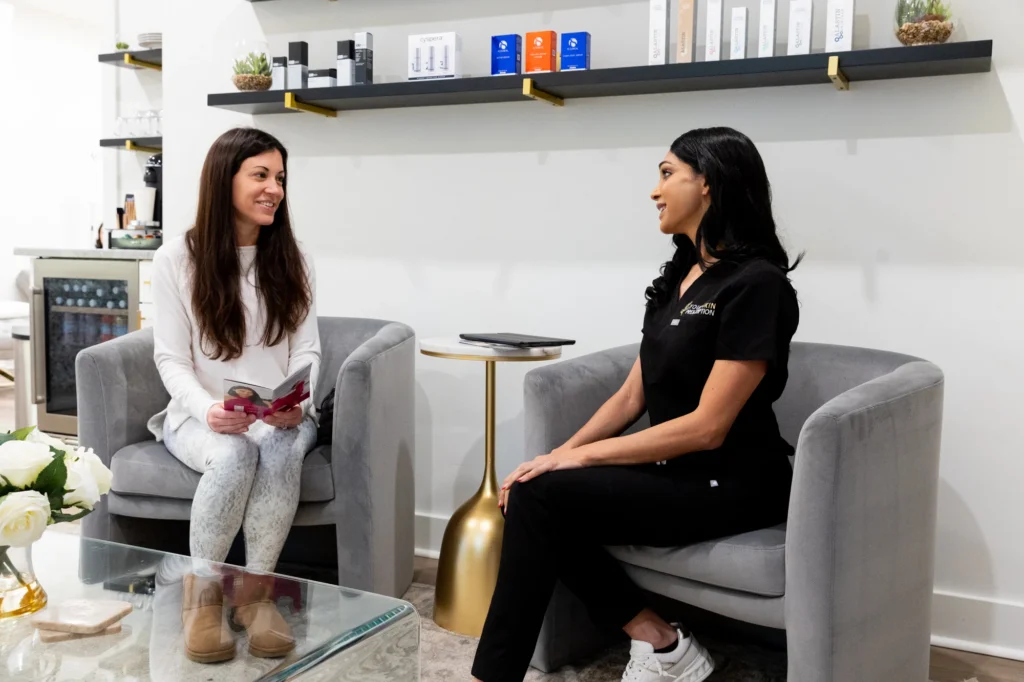
Think of it as bringing in an expert to accelerate your progress. At Your Skin Prescription, our skilled providers work with you to create a personalized plan that addresses your specific concerns in a safe, relaxing environment. We can help you choose the right treatment to effectively resurface, rebuild, and refine your skin. Committing to a series of treatments or joining a med spa membership is also a great way to maintain your beautiful results over time.
Chemical Peels: For Total Resurfacing
If you’re looking for a total reset, a chemical peel is an amazing option. This treatment uses a specially formulated acid solution to remove the damaged, outermost layer of your skin. It sounds intense, but when performed by a trained medical aesthetician, it’s a controlled process that reveals the smoother, healthier skin hiding underneath. Peels are fantastic for addressing a wide range of texture issues, including fine lines, sun damage, and uneven pigmentation. Your provider will help you choose the right peel strength to match your skin goals, ensuring a comfortable experience with beautiful results.
Microneedling: To Rebuild Collagen
Microneedling is one of the most effective ways to encourage your skin to repair itself from the inside out. This treatment uses a device with fine, tiny needles to create micro-injuries in the skin. This process triggers your body’s natural healing response, signaling it to produce more collagen and elastin. The result? Firmer, plumper, and smoother skin over time. For maximum regenerative results, many clients upgrade this to PRF microneedling in Pittsburgh, which uses platelet-rich fibrin to speed healing and intensify collagen production. It’s an excellent choice for improving the appearance of acne scars, fine lines, and overall skin firmness. A medical aesthetician can use microneedling to help you achieve a truly rejuvenated complexion.
Medical-Grade Facials: For a Deeper Cleanse
A medical-grade facial goes far beyond what you can do with an at-home mask. Performed by a medical aesthetician, these treatments use professional-strength products and techniques to provide a much deeper cleanse and exfoliation. Regular facials are key to keeping your pores clear and your skin’s surface smooth and even. At Your Skin Prescription, we specialize in luxurious Korean facials that combine advanced methods with a pampering experience. These treatments are customized to your skin’s needs, helping you achieve a radiant complexion while you relax and unwind.
Dermaplaning: For Instantly Softer Skin
For instant gratification, nothing beats dermaplaning. This physical exfoliation method uses a sterile surgical scalpel to gently scrape away the top layer of dead skin cells and fine vellus hairs, also known as “peach fuzz.” The result is skin that feels incredibly soft and looks instantly brighter. Beyond the immediate glow, dermaplaning also helps your skincare products absorb more effectively and creates a perfectly smooth canvas for makeup application. It’s a simple, painless treatment that delivers seriously impressive results.
Laser Treatments: For Targeted Texture Correction
When you need to address specific and stubborn texture concerns, laser treatments offer a precise and powerful solution. Using focused light energy, laser resurfacing can effectively treat concerns like acne scars, significant sun damage, and deeper lines that don’t respond to other treatments. The energy from the laser promotes skin remodeling and collagen production, leading to significant improvements in both skin texture and tone. Your provider can determine if you are a good candidate for this advanced treatment and develop a plan to help you reach your goals.
Common Mistakes to Avoid for Better Texture
When you’re on a mission for smoother skin, it’s easy to get a little carried away. We’ve all been there, trying every new product and hoping for a miracle. But sometimes, our best intentions can backfire, leaving our skin feeling more irritated than improved. The path to better texture isn’t just about what you do; it’s also about what you don’t do. Let’s walk through a few common missteps to sidestep so you can achieve the soft, even complexion you’re looking for without any setbacks. By being mindful of these pitfalls, you can make your routine more effective and keep your skin happy and healthy.
Using Too Many Products or Exfoliating Too Often
It’s tempting to throw a whole arsenal of powerful ingredients at your skin, but this approach can do more harm than good. Using too many strong products at once can strip your skin’s natural oils, disrupting its protective barrier and leading to dryness and irritation. The same goes for exfoliation. While it’s a key step for sloughing away dead skin cells, overdoing it can be counterproductive. Instead of harsh physical scrubs, consider gentle chemical exfoliants with ingredients like lactic acid. The goal is to refine your skin, not overwhelm it, so focus on a curated routine with a few effective products that work well together.
Forgetting to Patch Test or Consult a Pro
Before you introduce a new active ingredient into your routine, especially a potent acid or retinoid, it’s so important to do a patch test. This simple step helps you see how your skin will react and can save you from widespread irritation. Just apply a small amount to a discreet area, like behind your ear, and wait 24 hours. While at-home care is crucial, some texture issues require a more targeted approach. If you’re struggling with persistent concerns, a consultation with a medical aesthetician can make all the difference. A professional can assess your unique skin needs and help create a treatment plan that delivers real, noticeable results safely and effectively.
Expecting Overnight Results
Patience is truly a virtue when it comes to skincare. Improving skin texture takes time and consistency, and you likely won’t see a dramatic change overnight. In fact, your skin might even go through an adjustment period, sometimes called “purging,” where things seem to get a little worse before they get better. This is often a sign that the products are working to bring underlying congestion to the surface. Stick with your routine and trust the process. Lasting change comes from consistent daily habits and professional treatments. Committing to a plan is the best way to maintain your results and enjoy smoother, healthier skin for the long haul.
When Will You See Smoother Skin?
I know how frustrating it can be when you invest time and money into your skin but don’t see changes right away. The truth is, achieving that smooth, glowing complexion is a process that requires patience. There’s no magic wand for perfect texture overnight, but with the right approach and a little consistency, you can absolutely get there. Understanding the timeline for both your at-home routine and professional treatments will help you stay motivated and celebrate the small wins along the way. Let’s talk about what you can realistically expect on your journey to smoother skin.
What to Expect from Your Skincare Routine
Improving your skin texture with a new routine is a marathon, not a sprint. It takes time for your skin cells to turn over and for active ingredients to work their magic. In fact, you might notice some purging or flaking at first, which is often a sign that the products are doing their job to repair and refine your skin. The key is to stick with it. A consistent routine is your best tool for building healthier, more resilient skin. You’re not just treating the surface; you’re encouraging a deeper, cellular-level change that will reveal a smoother, more radiant you in the weeks and months to come.
The Timeline for Professional Treatments
Professional treatments can significantly speed up your results, but they also have their own timeline. A treatment like microneedling, for example, works by stimulating your skin’s natural collagen production. While you might feel an immediate glow, the real texture improvements appear over time. You’ll likely start to see noticeable changes in about four to six weeks as that new collagen builds up. For the best and safest results, it’s so important to see a trained provider who can customize the treatment for your specific skin needs and guide you through the process.
How to Maintain Your Results
Once you’ve achieved that smoother texture, the goal is to maintain it. Think of it as a partnership between your daily habits and ongoing professional support. The single most important thing you can do every day is wear a broad-spectrum sunscreen with at least SPF 30. Sun damage is a leading cause of uneven texture, so protecting your skin is non-negotiable. Combining this with a healthy lifestyle and consistent skincare creates a strong foundation. To keep your skin at its best, regular professional treatments through a med spa membership can help you stay on track and address any new concerns that pop up.
Related Articles
- Non-Invasive Anti-Ageing Treatment: A Complete Guide
- Advanced Skin Rejuvenation Technologies Explained
- What Does Fine Rain Like Hair Mean for Your Skin?
- What is a Medical Facial? A Complete Guide
- 6 Aesthetic Skin Treatments for Glowing Skin
.cta-btn{display:inline-block!important;padding:12px 32px!important;font-size:16px!important;font-weight:500!important;text-decoration:none!important;color:#4a4a4a!important;background-color:#fff!important;border-radius:40px!important;border:none!important;transition:all .3s ease-in-out!important}.cta-btn:hover{background-color:#f5f2eb!important;color:#6c6c5f!important}
Frequently Asked Questions
What is the single most important thing I can do to start improving my skin texture? If you do only one thing, make it wearing a broad-spectrum sunscreen with at least SPF 30 every single day. Sun damage is a primary driver of textural changes, breaking down collagen and creating a rough surface over time. Protecting your skin from UV radiation is the best preventative step you can take, and it ensures that any progress you make with other products or treatments is protected.
My skin feels rough, but it’s also sensitive. What ingredients should I use? When your skin is sensitive, it’s important to focus on strengthening your skin’s barrier first. Look for products with calming and supportive ingredients like niacinamide, ceramides, and peptides. These help fortify your skin and reduce redness. For exfoliation, you could try a very gentle poly hydroxy acid (PHA) once a week, as they are much milder than other acids. Always patch-test new products and introduce them one at a time.
Can I use retinoids and exfoliating acids like AHAs at the same time? Using these powerful ingredients together requires a careful approach to avoid irritation. I would not recommend using them in the same routine on the same night. A better strategy is to alternate them. For example, you could use an AHA serum on Monday night and your retinoid on Tuesday night. This gives your skin a chance to benefit from both ingredients without becoming overwhelmed or damaging its protective barrier.
I started a new product and my skin is breaking out. Should I stop using it? This can be tricky because it might be “purging” or it could be a negative reaction. Purging often happens with ingredients like retinoids or acids that speed up cell turnover, bringing underlying congestion to the surface as small pimples in your usual breakout areas. This is temporary. However, if you experience itching, burning, or breakouts in new places, it’s likely irritation. In that case, you should stop using the product.
How do I know when it’s time to see a professional for my skin texture? If you have been consistent with a solid at-home routine for at least three to six months and still aren’t seeing the improvement you want, it’s a great time to consult a professional. This is especially true for more stubborn concerns like deep acne scars or significant sun damage. A medical aesthetician can assess your skin and recommend treatments like chemical peels or microneedling to achieve more noticeable and lasting results.

Rain Hoffmann is the founder of Your Skin Prescription, a modern med spa in Sewickley, PA. With a passion for advanced skincare and aesthetics, she specializes in Korean facials, medical facials, laser treatments, and results-driven skin care. Rain is dedicated to providing a pampering, stress-free experience in an elegant and welcoming environment.