
A laser treatment is an incredible way to kickstart your skin’s renewal process, but the real goal is creating a glow that lasts. The procedure itself is just the beginning; it triggers a deep collagen-remodeling process that your body continues for months. This is why the answer to how long do results from laser skin rejuvenation last is a team effort. Think of your provider as your skin’s coach and your at-home routine as the daily training. In this guide, we’ll break down what you can realistically expect and share the simple, effective habits that protect your investment.
.cta-btn{display:inline-block!important;padding:12px 32px!important;font-size:16px!important;font-weight:500!important;text-decoration:none!important;color:#4a4a4a!important;background-color:#fff!important;border-radius:40px!important;border:none!important;transition:all .3s ease-in-out!important}.cta-btn:hover{background-color:#f5f2eb!important;color:#6c6c5f!important}
Key Takeaways
- Match the laser to your lifestyle: The best laser treatment for you balances your skin goals with your schedule; intensive ablative lasers can offer dramatic, longer-lasting results with more downtime, while non-ablative lasers can provide gradual improvements with minimal recovery.
- Make daily sunscreen your number one habit: Protecting your skin from the sun is the most important thing you can do to preserve your results, as UV rays break down the new collagen your treatment worked hard to build.
- Commit to a long-term maintenance plan: Think of your laser treatment as the starting point; work with your provider to create a consistent strategy that includes professional skincare and periodic follow-up sessions to keep your skin healthy and radiant for years.
How Does Laser Skin Rejuvenation Work?
Have you ever wondered how laser treatments can seemingly turn back the clock on your skin? It’s not magic, but it is fascinating science. Laser skin rejuvenation works by using concentrated light energy to kickstart your skin’s own natural healing and renewal processes. Think of it as a targeted wake-up call for your skin cells. This process helps address common concerns like sun damage, fine lines, and uneven texture, revealing a smoother, clearer complexion over time. It’s a precise and effective way to refresh your skin from the inside out.
The Science Behind the Laser
At its core, laser technology uses precise beams of light to target specific concerns within your skin. Whether you’re dealing with lingering redness, stubborn sunspots, or fine lines, the laser’s energy is absorbed by the targeted areas while minimizing effects on the surrounding tissue. This focused energy prompts your skin to begin its natural repair cycle. Different types of lasers are used to address different issues, which is why a personalized consultation is the first step toward achieving your goals. Our expert providers can help determine the perfect treatment plan for you.
How Lasers Encourage New Collagen
One of the biggest benefits of laser treatments is their ability to stimulate new collagen. The gentle heat from the laser penetrates beneath the skin’s surface, creating a controlled response that signals your body to produce more collagen and elastin. These two proteins are the essential building blocks for firm, plump, and resilient skin. As your body creates this new, healthy collagen, you’ll notice a gradual improvement in your skin’s texture and firmness. This internal collagen production is what delivers those beautiful, long-lasting results that strengthen your skin over time.
What to Expect During the Procedure
Walking into any new treatment can feel a little intimidating, but knowing the step-by-step process can make all the difference. Our goal is to make your laser rejuvenation experience feel as seamless and comfortable as possible. From the moment you settle into our treatment room, your provider will guide you through every part of the procedure. We prioritize clear communication and your complete comfort, ensuring you feel confident and cared for. Here’s a closer look at what the treatment itself involves, from timing to how we keep you comfortable.
Treatment Duration and Setting
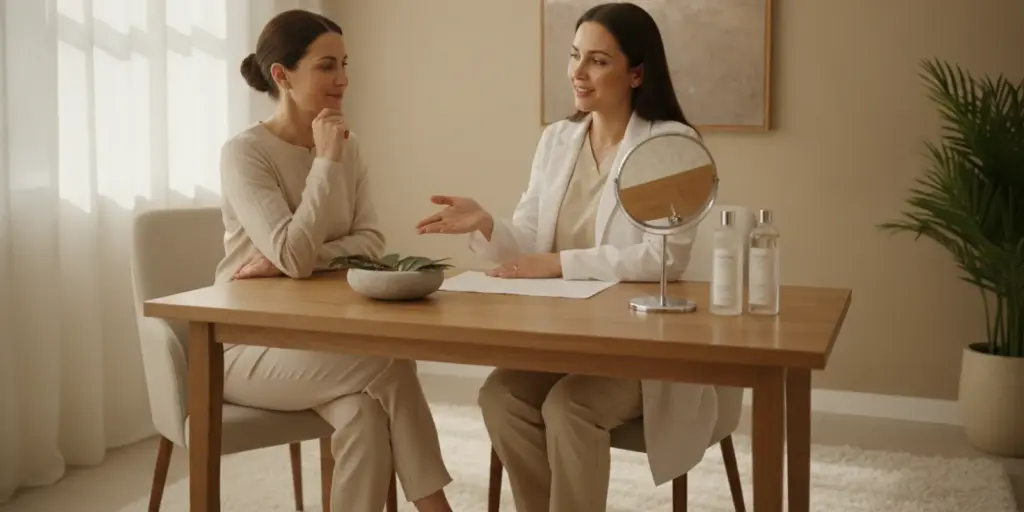
Your laser session will be tailored to your specific needs, so the time it takes can vary. A session typically lasts between 30 minutes and two hours, depending on the size of the area we’re treating. We perform all our laser treatments in a serene and private room designed for your relaxation. At Your Skin Prescription, we believe the environment is a key part of the experience. You can expect a calm, elegant setting where our skilled providers use state-of-the-art technology to safely and effectively perform your treatment, ensuring you feel at ease from start to finish.
Anesthesia and Comfort
Your comfort is our top priority. Before the laser treatment begins, your provider will typically apply a topical numbing cream to the area to minimize any sensation. Most people describe the feeling of the laser as a quick, warm snap, similar to a rubber band against the skin. We also use cooling devices during the procedure to keep your skin comfortable and calm. Your provider will be with you the entire time, checking in to ensure you’re doing well. We build your treatment plan around your goals and comfort, which is a core part of the ongoing care we provide through our med spa memberships.
What Are the Different Types of Laser Treatments?
Laser treatments aren’t a one-size-fits-all solution. The best laser for you depends on your skin goals, concerns, and how much downtime fits into your lifestyle. They generally fall into three categories: ablative, non-ablative, and fractional. Each works differently to give you that smooth, glowing complexion you’re looking for. Understanding the basics helps you and your provider choose the right path for your skin.
What Are Ablative Lasers?
Think of ablative lasers as the heavy hitters of skin resurfacing. They work by removing the outermost layer of your skin while heating the underlying tissue to trigger a powerful collagen response. This intensive approach can deliver significant results and is commonly used in facial laser resurfacing to address deep wrinkles, extensive sun damage, and stubborn acne scars. Because the top layer of skin is removed, you can expect a longer healing period. This downtime is necessary for your skin to regenerate and reveal a smoother, more youthful surface.
CO2 Lasers
CO2 lasers are a powerful and well-established type of ablative laser. They work by precisely removing the thin, outer layers of damaged skin, which makes them highly effective for significant concerns like deep-set wrinkles, noticeable scars, and even warts. This thorough approach also triggers a substantial collagen-remodeling process deep within the skin, leading to dramatic and lasting improvements in texture and firmness. The trade-off for this intensity is a longer recovery period. You’ll need to plan for up to two weeks of downtime as your skin heals and regenerates, revealing a completely renewed surface.
Erbium Lasers
Erbium lasers are another great ablative option, often seen as a gentler alternative to CO2 lasers. They are fantastic for targeting light to medium lines and wrinkles on the face, hands, neck, or chest. A key advantage of the Erbium laser is that it comes with fewer side effects, like swelling and redness, and a quicker recovery of about one week. This gentler approach can also make it a suitable choice for a wider range of skin tones, according to the Cleveland Clinic. It’s an ideal treatment if you’re looking for significant results with a more manageable healing timeline.
What Are Non-Ablative Lasers?
If you can’t press pause on your busy life, a non-ablative laser might be your perfect match. These gentler treatments work by heating the skin tissue beneath the surface without harming the top layer. This process stimulates collagen growth from within, gradually improving skin tone and texture. The biggest advantage is that there’s typically little to no recovery time involved. While you’ll likely need multiple sessions to see optimal results, it’s an excellent option for managing fine lines and milder skin concerns without disrupting your schedule.
What Are Fractional Lasers?
Fractional lasers offer a fantastic middle ground. This technology treats the skin in a precise, grid-like pattern, creating microscopic channels deep into the dermis while leaving the surrounding tissue completely intact. This targeted approach stimulates collagen production and resurfaces the skin, but the untouched areas help speed up the healing process significantly. Fractional treatments are great for improving skin texture, reducing pigmentation, and softening scars. You get noticeable results with much less downtime than a fully ablative laser.
Is Laser Skin Rejuvenation Right for You?
Deciding to get a laser treatment is a personal choice, and it’s one that should be made with a clear understanding of what it can—and can’t—do for you. While lasers are incredibly effective for many people, they aren’t the right fit for everyone. The key is to match the treatment to your specific skin concerns, goals, and overall health. A thorough consultation with an experienced provider is the best way to determine if you’re a candidate and to create a plan that will give you the beautiful results you’re hoping for.
Who Is a Good Candidate for Laser Treatments?
You might be a great candidate for laser skin rejuvenation if you’re looking to address specific skin texture or pigmentation issues. People who see the most success often want to improve concerns like scars from acne, uneven skin tone, or sun-damaged skin. Lasers are also fantastic for softening fine lines and wrinkles that tend to appear around the eyes, forehead, and mouth. If you’re generally in good health and have realistic expectations about what the treatment can achieve, a laser procedure could be the perfect step toward a smoother, more radiant complexion.
Who Should Avoid Laser Resurfacing?
On the other hand, laser resurfacing isn’t suitable for everyone. If you have an active skin infection, very sensitive skin, or certain health conditions like autoimmune diseases, a laser treatment might not be your best option. It’s also important to consider your skin type. According to the Mayo Clinic, individuals with brown or Black skin may have a higher risk of pigmentation changes. This is why an honest conversation with a knowledgeable provider is so important—we can assess your skin and medical history to ensure your safety and success.
How to Prepare for Your Laser Treatment
Once you and your provider decide that a laser treatment is right for you, the next step is preparation. What you do in the weeks leading up to your appointment can make a big difference in your results and your recovery. Proper prep helps minimize risks and ensures your skin is in the best possible condition to heal and regenerate. Think of it as setting the stage for a great performance—a little effort beforehand goes a long way in achieving that post-treatment glow.
Pre-Treatment Skincare and Medication Adjustments
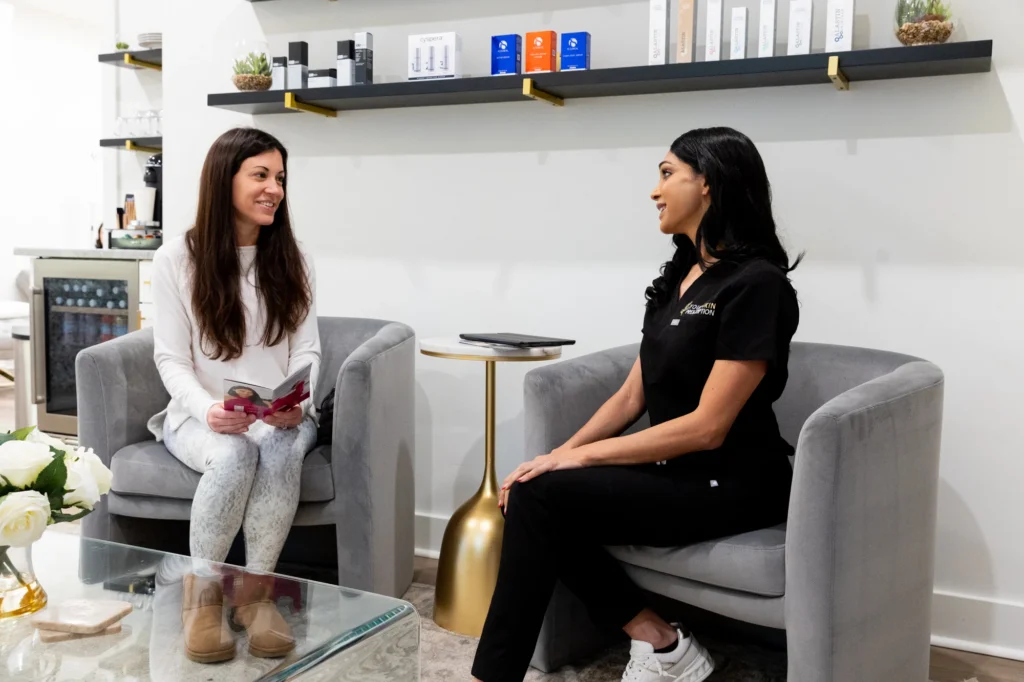
Your preparation journey begins with a detailed consultation. At Your Skin Prescription, your provider will review your medical history, examine your skin, and discuss your goals. Be sure to mention any medications you take or if you’re prone to cold sores, as your provider might prescribe an antiviral medication to prevent a flare-up. You may also be advised to stop using certain topical products, like retinoids, for a week or two before your session to reduce sensitivity. This open dialogue ensures your treatment plan is tailored perfectly to you.
Lifestyle Changes Before Your Appointment
One of the most critical steps before any laser treatment is protecting your skin from the sun. You’ll need to avoid tanning and significant sun exposure for at least four weeks prior to your appointment, as treated tanned skin can lead to unwanted pigmentation issues. Make a habit of applying a broad-spectrum sunscreen every single day—no exceptions! This not only protects your skin but also ensures it’s in a calm, healthy state for the procedure. Following this simple rule is one of the easiest ways to support a safe treatment and beautiful outcome.
Potential Risks and Side Effects to Be Aware Of
Like any effective medical procedure, laser skin rejuvenation comes with potential risks and side effects. Being informed about them doesn’t mean you should be scared; it means you can be an active and aware partner in your skincare journey. Most side effects are temporary and a normal part of the healing process. Knowing what to expect allows you to plan for your recovery and helps you recognize when to call your provider. Transparency is key, and we want you to feel confident and comfortable every step of the way.
Common, Temporary Side Effects
After your treatment, it’s completely normal to experience some temporary side effects as your skin begins to heal. You can expect some swelling and redness, similar to a sunburn, which will gradually fade over the following days or weeks, depending on the intensity of your laser. Some people also notice tiny white bumps called milia appear on the treated skin during the healing phase. These are harmless and typically resolve on their own. Think of these effects as signs that your skin is hard at work building fresh, new collagen and revealing a smoother surface.
Less Common Risks
While rare, there are a few more significant risks to be aware of. Some individuals, particularly those with darker skin tones, may experience changes in skin color, resulting in lighter (hypopigmentation) or darker (hyperpigmentation) patches. There is also a small risk of a bacterial, viral, or fungal infection, which is why following your aftercare instructions precisely is so important. In very rare cases, scarring can occur. Choosing a highly skilled and experienced provider significantly minimizes these risks, ensuring your treatment is both safe and effective.
How Long Do Laser Skin Rejuvenation Results Last?
One of the most common questions we hear is, “How long will my amazing new glow last?” It’s a great question, and the answer depends on a few things, like the type of laser used and how you care for your skin afterward. Think of it as a partnership: we provide the advanced treatment, and you maintain the beautiful results.
The longevity of your laser treatment is influenced by the specific technology we choose for your skin goals. Some lasers work on the surface for a quick refresh, while others go deeper to stimulate long-term collagen production. Your lifestyle and skincare routine also play a huge role. With the right approach, you can enjoy smoother, clearer, and more youthful-looking skin for years to come. Let’s get into what you can expect from different treatments and the timeline for your results.
Longevity: What to Expect from Each Laser
The type of laser treatment you receive is the biggest factor in how long your results will last. More powerful treatments, like ablative resurfacing, can create dramatic changes that may last several years (often cited as around two to five years), though results vary by individual and aftercare. These treatments are more intensive but offer a significant, long-term payoff for concerns like deep wrinkles and texture issues.
Gentler, non-ablative lasers offer beautiful results with less downtime. Improvements from these treatments often last about six to 18 months. To keep your skin looking its best, you might plan for a yearly maintenance session. Fractional lasers, another popular option, can deliver results that last around a year or more, depending on your skin and post-treatment care.
What to Expect Immediately vs. Down the Road
While you might notice some immediate improvements in your skin’s tone and texture, the best is yet to come. Your skin needs time to heal and begin its natural renewal process. The most significant and lasting results appear over several weeks or months as your body produces new collagen and elastin, the building blocks of firm, healthy skin. This gradual improvement is what gives you that truly natural-looking rejuvenation.
Laser treatments don’t stop the aging process, but they can improve visible signs of aging for a period of time. While the results aren’t permanent, outcomes from a single treatment can last for an extended period with the right maintenance. Consistent, high-quality skincare habits are key. Committing to a plan, like our med spa memberships, can help you protect your investment and keep your skin looking radiant for the long haul.
What Makes Your Laser Results Last?
After investing in a laser treatment, you want to enjoy that fresh, glowing skin for as long as possible. While the results can be impressive, they aren’t permanent. How long they last depends on a mix of factors, from the specific laser used to your daily habits. Understanding what influences your outcome is the first step toward protecting your investment and keeping your skin looking its best. Think of it as a partnership between you and your provider, where the treatment is the starting point and your aftercare determines the finish line.
How Your Skin’s Starting Point Matters
Everyone’s skin tells a different story, and its starting condition plays a big part in how long your laser results will last. Factors like your age, skin elasticity, and the specific concerns you’re addressing (like fine lines versus deeper sun damage) all influence the outcome. Younger skin, for example, often has a more robust collagen-building response, which can support longer-lasting results. A skilled provider at Your Skin Prescription will assess your unique skin condition during a consultation to set realistic expectations and tailor a treatment plan that’s right for you, ensuring you get the most effective and durable results possible.
The Lifestyle Habits That Affect Longevity
What you do every day has a huge impact on your skin. Sun exposure is the number one factor that can reverse the benefits of a laser treatment, as UV rays break down precious collagen. Making a high-SPF, broad-spectrum sunscreen a non-negotiable part of your daily routine is essential. Beyond sun protection, a consistent skincare regimen using quality products with ingredients like vitamin C can help maintain your glow and slow the aging process. Committing to healthy habits and professional-grade skincare is the best way to extend your results. Our med spa memberships are a great way to stay on track with maintenance treatments and products.
Does Treatment Intensity Change How Long Results Last?
Not all laser treatments are created equal. The type and intensity of the laser used directly correlate with how long you can expect your results to last. More intensive, ablative lasers remove the outer layer of skin and trigger a significant healing response, leading to dramatic results that can last for several years with proper care. Lighter, non-ablative lasers work beneath the skin’s surface with minimal downtime. While they provide beautiful, refreshing results, they typically require more frequent maintenance sessions, often every six to 12 months, to keep your skin looking smooth and radiant.
How Your Unique Healing Process Plays a Role
Your body’s unique healing process is a key player in your final outcome. After a laser treatment, your skin gets to work producing new collagen and elastin, a process that continues for several months. This is what creates that firmer, smoother appearance over time. How quickly and effectively your body heals depends on the depth of the treatment, the specific laser used, and, most importantly, how well you follow your aftercare instructions. Adhering to the post-treatment plan your provider gives you is crucial for supporting your body’s natural rejuvenation process and ensuring you achieve the best, longest-lasting results.
Which Laser Treatment Gives the Longest-Lasting Results?
When you invest in your skin, you want the results to be worth it. So, which laser treatment offers the most staying power? The answer often comes down to the intensity of the treatment and how you care for your skin afterward. Generally, the more intensive the laser, the longer the results will last, but it’s also about creating a smart, long-term plan for your skin’s health.
Ablative vs. Non-Ablative: Which Lasts Longer?
If longevity is your top priority, ablative lasers often provide longer-lasting results. Because these treatments work by removing the outer layers of skin, they trigger a more significant healing and collagen-building response. The results are more dramatic and can last for years. With proper aftercare, many people report results from deeper ablative lasers lasting roughly two to five years. In contrast, non-ablative lasers are gentler, requiring little to no downtime. While they are fantastic for maintenance and addressing milder concerns, you may need touch-up sessions every six to twelve months to keep your skin looking its best.
Pairing Treatments for Even Longer-Lasting Results
Think of your laser treatment as the foundation for incredible skin, not the final step. To truly extend and enhance your results, it’s smart to pair it with a consistent skincare plan. Using medical-grade products at home, especially those with ingredients like topical retinoids, helps maintain a post-laser glow and supports ongoing skin cell turnover. You can also work with your provider to create a long-term strategy that includes maintenance treatments like our Korean facials or other services to keep your skin healthy and vibrant. A comprehensive approach ensures your initial investment continues to pay off for years to come.
How to Make Your Laser Results Last Longer
You’ve invested in your skin with a laser treatment, and now you want to enjoy that fresh, rejuvenated glow for as long as possible. The great news is that you have a lot of control over the longevity of your results. Protecting your investment comes down to a few key habits and a solid maintenance plan. Think of your laser treatment as the starting point; your post-treatment care helps extend your radiance over time. By following a few simple steps, you can extend the beautiful benefits of your procedure for years to come.
The Aftercare Steps You Can’t Skip
After your laser treatment, your provider will give you specific aftercare instructions. Following them is the most important first step. Beyond the initial healing period, maintaining your results involves a consistent daily routine. To keep your skin looking its best, focus on these core habits: stay hydrated by drinking plenty of water, use a high-quality moisturizer to keep your skin barrier healthy, and stick to the professional skincare plan your provider recommends. A healthy lifestyle with regular exercise and a balanced diet also plays a huge role in your skin’s overall health and appearance.
Immediate Post-Treatment Care
Right after your treatment, your skin will likely feel warm and look a bit red, similar to a mild sunburn. This is completely normal. Your provider will apply a soothing ointment and, most importantly, a broad-spectrum sunscreen to protect your newly treated skin. The single most critical thing you can do is to meticulously follow the personalized aftercare instructions they provide. These guidelines are designed specifically for the type of laser used and your skin’s needs, ensuring a smooth healing process. This isn’t the time to experiment with new products; stick to the gentle, approved routine to calm your skin and kickstart its recovery.
The First Week of Healing
The first week after your laser treatment is all about healing and patience. Depending on the intensity of your procedure, you may experience redness, swelling, and some peeling as your skin begins its renewal process. It’s essential to be gentle during this time—use a mild cleanser, avoid picking at any flaking skin, and keep it hydrated with the recommended moisturizer. While you might see some initial changes in your skin’s tone, the most impressive results are still on their way. The real magic is happening beneath the surface as your body starts to build new collagen. This gradual improvement is what creates that beautiful, natural-looking rejuvenation over the coming weeks and months.
Why Sunscreen is Non-Negotiable
If you take only one piece of advice, let it be this: wear sunscreen every single day. Protecting your skin from the sun is the single most important thing you can do to preserve your laser results. The sun’s UV rays are notorious for breaking down collagen, which is the very protein your laser treatment worked so hard to stimulate. Unprotected sun exposure can quickly undo all the benefits, leading to new sunspots and fine lines. Make a broad-spectrum sunscreen with an SPF of 30 or higher a non-negotiable part of your morning routine, even on cloudy days.
How to Adjust Your Skincare Routine Post-Laser
Your post-laser skincare routine is all about maintenance and protection. Once your skin has fully healed, it’s time to incorporate products that support skin health and slow the aging process. Your provider at Your Skin Prescription can help you build the perfect regimen. This often includes gentle, hydrating cleansers and moisturizers alongside powerful ingredients like vitamin C serums to protect against environmental damage or retinoids to continue encouraging cell turnover. Using quality, medical-grade products ensures you’re giving your skin the best possible support to maintain its smooth, clear appearance.
Planning Your Follow-Up Laser Treatments
Laser treatments aren’t a one-and-done fix; they are part of a long-term strategy for healthy skin. To keep your results looking fresh, periodic maintenance treatments are key. The frequency depends on the type of laser used, your skin concerns, and your personal goals. Think of these follow-up sessions as tune-ups that keep your collagen production active and address any new concerns that pop up. We can create a personalized maintenance schedule for you, and our med spa memberships make it easy and accessible to stay on track with your skincare journey.
Understanding the Cost of Laser Treatments
Let’s talk about one of the most practical questions on everyone’s mind: what is the investment for laser skin rejuvenation? The cost can vary quite a bit, as it’s not a one-price-fits-all service. Several factors influence the final price, including the type of laser technology used, the size of the area being treated, and the number of sessions needed to achieve your goals. According to the American Society of Plastic Surgeons, the average cost can range widely depending on the specifics of the treatment. Think of it less as a simple purchase and more as a personalized investment in your skin’s long-term health and your confidence.
The best way to get a clear understanding of the cost for your specific needs is to schedule a consultation. During your visit to Your Skin Prescription, one of our expert providers will assess your skin, discuss your goals, and create a tailored treatment plan just for you. This ensures you know exactly what to expect, with no surprises. We believe in making exceptional skincare accessible, which is why we offer options like our med spa memberships to help you plan for and maintain your beautiful results in a way that fits your budget. It’s all about creating a sustainable path to the skin you love.
Is Laser Skin Rejuvenation Covered by Insurance?
This is a common question, and the straightforward answer is that, in most cases, laser skin rejuvenation is not covered by insurance. The reason is that these treatments are typically classified as cosmetic procedures. Insurance companies generally only cover treatments that are deemed medically necessary to diagnose or treat an illness or injury. Since laser rejuvenation is usually performed to improve the skin’s appearance—addressing concerns like fine lines, sun damage, or uneven texture—it’s considered an elective treatment that you choose to have, rather than one your health requires.
While there are rare exceptions where insurance might cover a procedure if it’s used to treat certain types of scars or medical skin conditions, this is not the norm for aesthetic treatments. As Healthline explains, procedures for cosmetic purposes are almost always an out-of-pocket expense. It’s always a good idea to check with your insurance provider for clarity, but it’s best to plan for laser skin rejuvenation as a personal investment. During your consultation, we can discuss all your payment and financing options to help you plan accordingly.
When Is It Time for Another Laser Treatment?
After seeing that incredible post-laser glow, it’s natural to wonder how to keep it going. The good news is that laser results can be long-lasting, but maintenance is key to preserving your investment. Your skin is unique, and so is its response to treatment. Factors like the type of laser used, your skin concerns, and your lifestyle all play a role in determining when you might need a follow-up session.
Instead of thinking of laser rejuvenation as a one-and-done deal, consider it part of your long-term skincare strategy. Your provider will help you create a plan that works for you, ensuring your skin stays smooth, clear, and radiant. Listening to your skin and understanding the signs will help you know exactly when it’s time to book your next appointment.
How to Know When It’s Time for a Touch-Up
Your skin will often give you subtle hints when it’s ready for another treatment. While your initial plan might involve a series of three to six sessions to achieve your desired outcome, maintenance treatments are scheduled further apart. You might notice that some of the concerns you originally targeted, like fine lines, sun spots, or uneven texture, are slowly starting to reappear. Perhaps that bright, refreshed look has started to fade a bit. These are all normal signs that it might be time for a touch-up. It’s not about waiting for things to go back to how they were, but about proactively maintaining your beautiful results.
Planning Your Personal Maintenance Schedule
A personalized maintenance schedule is your secret weapon for long-lasting results. Depending on the intensity of your laser treatment, you could enjoy the benefits for several years, especially with great at-home care. The best approach is to work directly with your provider to map out a timeline tailored to your skin and goals. They can recommend the ideal frequency for follow-up sessions, whether it’s once a year or every few years. Committing to a consistent plan makes skincare effortless. Our med spa memberships are a great way to stay on track with your maintenance treatments and keep your skin looking its best.
Common Myths About How Long Laser Results Last
Let’s clear up a few misconceptions about long-term laser treatments. A common fear is that repeated sessions will thin out or weaken the skin. In practice, when treatments are properly performed, they stimulate collagen and are not known to thin the skin. Laser treatments are designed to stimulate collagen production, which actually helps strengthen your skin’s underlying structure over time. Another myth is that lasers are unsafe for repeated use. When performed by a trained and experienced medical professional, laser treatments have a strong safety profile. They are a reliable way to maintain your skin’s health and appearance without causing damage.
Related Articles
- What Is Aesthetic Laser Treatment? A Simple Guide
- Laser Skin Rejuvenation Before After: A Visual Guide
- Laser Skin Tightening in Sewickley | Your Skin Prescription
.cta-btn{display:inline-block!important;padding:12px 32px!important;font-size:16px!important;font-weight:500!important;text-decoration:none!important;color:#4a4a4a!important;background-color:#fff!important;border-radius:40px!important;border:none!important;transition:all .3s ease-in-out!important}.cta-btn:hover{background-color:#f5f2eb!important;color:#6c6c5f!important}
Frequently Asked Questions
Do laser treatments hurt? Most people describe the sensation of a laser treatment as a quick, warm snap, similar to a rubber band against the skin. Your comfort is always our top priority, and providers often use a topical numbing cream or cooling devices to make the experience as comfortable as possible. The level of sensation really depends on the type of laser being used and your personal tolerance, but it’s generally very manageable.
How much downtime should I expect after a laser treatment? The amount of downtime depends entirely on the intensity of the laser. Non-ablative lasers are known for having little to no recovery time, meaning you can often return to your daily activities right away, though you might have some mild redness. More intensive ablative treatments require a longer healing period, typically lasting about one to two weeks, as your skin needs time to regenerate.
How many sessions will I need to see results? This varies from person to person and depends on your specific skin goals. For some gentler, non-ablative treatments, a series of three to five sessions spaced a few weeks apart is often recommended to achieve the best outcome. For more powerful ablative lasers, some people may see significant improvement after just one treatment. We’ll create a personalized plan for you during your consultation.
What’s the most important thing I can do to protect my results? The most crucial step is diligent sun protection. Daily use of a broad-spectrum sunscreen with at least SPF 30 is non-negotiable. Sun exposure is the primary cause of collagen breakdown and pigmentation, so protecting your skin from UV rays is the best way to ensure your beautiful results last as long as possible.
Will my skin look thinner or weaker after multiple laser treatments? This is a common myth, but the opposite is actually true. Laser treatments are designed to stimulate your body’s natural production of collagen and elastin, which are the proteins that give your skin its strength and firmness. With a proper treatment plan from a skilled provider, laser rejuvenation helps support collagen and a more resilient-looking skin structure over time.

Rain Hoffmann is the founder of Your Skin Prescription, a modern med spa in Sewickley, PA. With a passion for advanced skincare and aesthetics, she specializes in Korean facials, medical facials, laser treatments, and results-driven skin care. Rain is dedicated to providing a pampering, stress-free experience in an elegant and welcoming environment.