We often think about skin treatments as a way to fix problems after they’ve already appeared. While they’re fantastic for that, it’s only half the story. Your skin deserves the same thoughtful, long-term care you give your body. This is where rejuvenation therapy truly shines. It’s not just for correcting visible signs of aging; it’s one of the most effective ways to proactively manage your skin’s health. By stimulating collagen production and promoting healthy cell turnover now, you’re building a stronger, more resilient foundation to help your skin stay smooth and firm for years to come.
.cta-btn{display:inline-block!important;padding:12px 32px!important;font-size:16px!important;font-weight:500!important;text-decoration:none!important;color:#4a4a4a!important;background-color:#fff!important;border-radius:40px!important;border:none!important;transition:all .3s ease-in-out!important}.cta-btn:hover{background-color:#f5f2eb!important;color:#6c6c5f!important}
Key Takeaways
- Rejuvenation works with your skin, not against it: These treatments stimulate your body’s natural healing processes to produce new collagen, which gradually improves concerns like fine lines, uneven texture, and sun damage.
- A thorough consultation is your first step: Finding the right provider is crucial for success. Use your consultation to ask questions, discuss your goals, and ensure you feel comfortable with the personalized treatment plan they create for you.
- Commit to the entire process for lasting results: Your skin journey continues after you leave the spa. Following your aftercare instructions and sticking to a maintenance plan are essential for supporting your skin’s healing and protecting your outcome.
The Timeless Quest for Youth: A Brief History
The desire to turn back the clock is nothing new. For centuries, people have been captivated by the idea of rejuvenation. This fascination shows up in myths and legends from all over the world, from ancient Chinese emperors searching for a mythical pearl of youth to the Spanish explorer Juan Ponce de León, who famously sought the Fountain of Youth in the 1500s. These stories, while magical, highlight a deep-seated human longing to restore vitality and recapture a youthful state. What was once the stuff of fantasy and folklore has slowly evolved, paving the way for a scientific approach to understanding and influencing the aging process. We’ve traded maps and magic potions for microscopes and medical research, but the core quest remains the same.
From the Fountain of Youth to Modern Science
The journey from myth to medicine has been a long one. For a long time, the concept of rejuvenation was purely aspirational, belonging to the realm of epic tales rather than practical reality. People looked for external, magical solutions to what is ultimately a biological process. Today, our understanding has completely shifted. We now know that true rejuvenation isn’t about finding a magical spring; it’s about working with the body’s own intricate systems. Modern science allows us to look at the aging process on a cellular level, giving us the tools to encourage the skin to repair and renew itself. This transition from superstition to science is what makes the results-driven treatments we have today possible.
Early Scientific Attempts and Controversies
As the world moved into the scientific age, the search for youth took some strange and controversial turns. The late 19th and early 20th centuries were filled with bizarre experiments, many of which were based on flawed theories and produced no real results. These early attempts, though often misguided, were part of a crucial learning process. They demonstrated that there were no simple, one-size-fits-all shortcuts to reversing age. This history of trial and error underscores the importance of seeking out qualified, knowledgeable professionals. It’s why trusting your skin to a provider who understands the complex science behind every treatment is so critical for achieving safe, beautiful, and natural-looking results.
What is Rejuvenation, Really?
In a world saturated with “anti-aging” products, the word “rejuvenation” gets thrown around a lot. But what does it actually mean? True rejuvenation is more than just a marketing buzzword; it’s a scientific concept focused on genuinely reversing the biological clock, not just masking the signs of aging. It’s about targeting the root causes of aging at a cellular level to restore function and appearance. Unlike approaches that simply try to slow down the aging process, rejuvenation aims to repair existing damage. This distinction is key. It’s the difference between patching a hole and weaving the fabric back together, creating a stronger, more resilient result that comes from within your own body.
The Scientific Definition: Reversing Biological Age
From a scientific perspective, rejuvenation is the process of repairing or replacing the parts of our body that have been damaged by age. Think of it like this: over time, our cells, tissues, and organs accumulate wear and tear. Rejuvenation therapies are designed to counteract this by stimulating the body’s natural healing mechanisms. The goal is to replace old, damaged tissue with new, healthy tissue, effectively turning back your biological age, which can be different from your chronological age. This process of repair and regeneration is what helps improve the skin’s structure and function, leading to a healthier and more youthful appearance from the inside out.
Rejuvenation in Aesthetics: Restoring a Youthful Appearance
In the world of aesthetics, we apply these scientific principles to the skin. Aesthetic rejuvenation focuses on using advanced treatments to trigger the body’s innate ability to heal and regenerate. When we talk about skin rejuvenation, we’re referring to medical-grade procedures that prompt the skin to produce new collagen, shed old cells, and repair damage from the sun and other environmental factors. This is fundamentally different from just slowing down aging. It’s an active process of restoration. By encouraging the skin to rebuild itself, we can achieve visible improvements in texture, tone, and firmness, helping you look as vibrant as you feel.
The Biological Reasons We Age
To understand how rejuvenation works, it helps to first understand why we age in the first place. Aging is a complex biological process that happens to everyone, but it’s not just about the number of candles on your birthday cake. It’s the result of a gradual accumulation of damage within our bodies over a lifetime. On the surface, we see this as fine lines, wrinkles, and a loss of firmness. But beneath the skin, our cells are undergoing significant changes. They become less efficient at repairing themselves and replicating, and the essential proteins that keep our skin firm and elastic, like collagen and elastin, begin to break down. This internal process is what drives the external signs of aging we all recognize.
How Our Cells and DNA Change Over Time
At its core, aging is a story of cellular damage. From the moment we are born, our cells are constantly dividing and replicating. In our youth, this process is incredibly efficient. However, as time goes on, small errors can occur, leading to a buildup of damage in our DNA and cellular structures. Think of it like making a copy of a copy—over time, the quality degrades. This cellular decline affects the skin’s ability to produce vital components like collagen. As production slows and existing collagen fibers weaken, the skin loses its structural support, leading to sagging, wrinkles, and a loss of that youthful plumpness.
The Role of Free Radicals and Hormones
While cellular changes are a primary driver, they aren’t the only factor. External and internal influences also play a huge role. Exposure to UV rays, pollution, and even stress creates unstable molecules called free radicals, which cause oxidative stress and accelerate cellular damage. Internally, our hormones are also major players. For example, as estrogen levels decline with age, the skin can become thinner, drier, and less elastic. Because aging is caused by this combination of factors, a holistic and consistent approach is often the most effective. A long-term plan, like a med spa membership, can help you address these different aspects of aging over time for comprehensive and lasting skin health.
What Can Skin Rejuvenation Therapy Do for You?
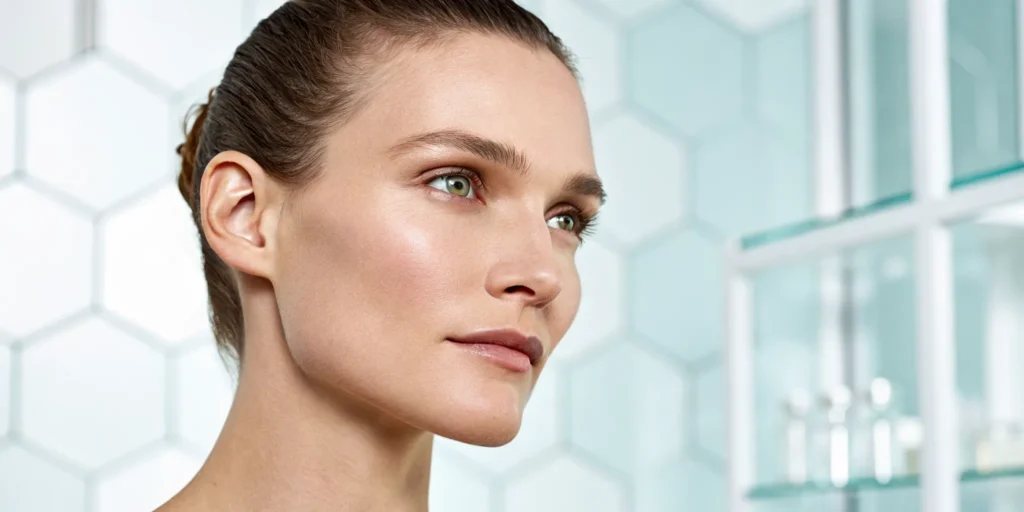
Think of skin rejuvenation as a reset button for your complexion. It’s not one specific procedure, but a family of professional treatments designed to address signs of aging and damage, helping your skin look smoother, clearer, and more youthful. The main goal is to improve your skin’s texture and tone by encouraging new collagen growth and gently removing dull, damaged cells. Whether you’re looking to soften fine lines, even out your skin tone, or simply get your glow back, there’s a rejuvenation treatment that can help you reach your goals.
These therapies are all about working with your skin’s natural healing processes. By creating controlled renewal, we can prompt your body to produce the fresh, healthy cells that give skin its firm, vibrant appearance. It’s a proactive way to care for your skin and maintain its health for years to come.
Is It Right for Your Skin Concerns?
Skin rejuvenation is incredibly versatile and can be tailored to address a wide range of common concerns. Many people seek these treatments to soften the appearance of fine lines and deeper wrinkles that come with time and expression. It’s also highly effective for improving skin texture, whether you’re dealing with acne scars or just a general lack of smoothness.
Beyond texture, rejuvenation therapies are fantastic for correcting pigmentation issues. This includes sunspots, age spots, and other forms of hyperpigmentation that can make your complexion look uneven. If you feel like your skin has lost its firmness or looks a bit dull, these treatments can help restore a tighter, more radiant look by addressing skin laxity and revitalizing tired skin.
How Does Skin Rejuvenation Actually Work?
So, how do these treatments actually achieve such great results? It all comes down to stimulating your skin’s own regenerative powers. Different treatments use different methods, but they share a common goal: kick-starting the production of collagen and elastin, the two proteins responsible for keeping your skin firm and supple. Some treatments, like chemical peels, work by using specialized solutions to exfoliate the damaged outer layers of skin, revealing the healthier skin underneath.
Other methods, such as laser and light therapies, use focused energy to target discoloration or tighten the underlying structure of the skin. Microneedling, another popular option, creates tiny micro-channels in the skin to trigger a natural healing response that builds new collagen. By choosing the right approach, your provider can effectively target your specific concerns and help you achieve lasting results through a consistent treatment plan.
Exploring the Top Skin Rejuvenation Treatments
With so many effective skin rejuvenation treatments available, finding the right one for your goals can feel like a big decision. The best approach is always tailored to your unique skin concerns, whether you’re looking to smooth fine lines, even out your skin tone, or simply achieve a healthy glow. Each treatment works differently to refresh and renew your skin. Understanding the most popular options is the first step toward creating a personalized plan with your provider. From light-based therapies to advanced facials, there’s a solution designed to help you feel confident in your skin.
Laser Treatments for Glowing Skin
Laser therapy uses focused beams of light to address a wide range of skin concerns with precision. These treatments are excellent for improving issues caused by sun exposure, aging, or genetics. A provider uses the laser to send targeted energy into the skin, which can help reduce the appearance of wrinkles, acne scars, and sunspots. It’s also effective for minimizing visible blood vessels and restoring a more even, vibrant skin tone. Different types of skin rejuvenation and resurfacing lasers are available, and a consultation will determine which one is best suited to your specific skin goals and type.
Reveal Smoother Skin with Chemical Peels
A chemical peel is a powerful way to exfoliate your skin and reveal a smoother, brighter complexion underneath. During this treatment, a medical aesthetician applies a specialized acid solution to the skin, which works to remove the damaged outer layers. This process encourages new cell growth and can significantly lighten dark spots, reduce acne, and stimulate collagen production for firmer skin. Peels come in various strengths, from light peels with minimal downtime to deeper ones that offer more dramatic results but require a longer recovery. Your provider will help you choose the right peel for your needs.
Microneedling: Building Collagen from Within
Microneedling, also known as collagen induction therapy, is a fantastic treatment for improving skin texture and firmness. A medical aesthetician uses a device with tiny, sterile needles to create controlled micro-injuries in the skin. This process kickstarts your body’s natural healing response, leading to the production of new collagen and elastin. As your skin heals, you’ll notice a reduction in fine lines, acne scars, and hyperpigmentation. The result is smoother, firmer, and more youthful-looking skin. It’s a minimally invasive treatment that offers noticeable options for skin rejuvenation with little downtime.
Radiofrequency: The Secret to Tighter Skin
Radiofrequency (RF) therapy takes microneedling to the next level by incorporating gentle heat. This treatment combines the collagen-stimulating effects of microneedling with radiofrequency energy, which is delivered deep into the skin through the needles. The addition of heat further enhances collagen and elastin production, resulting in significant skin tightening and texture improvements. RF microneedling is particularly effective for addressing skin laxity, fine lines, and textural irregularities. It’s a great choice if you’re looking for a treatment that provides both resurfacing and firming benefits for a more lifted and refreshed appearance.
Medical-Grade Facials for Targeted Results
A medical facial is a customized treatment designed to maintain your skin’s health and target specific concerns. Performed by a highly trained medical aesthetician, these facials go beyond surface-level pampering. They often include deep cleansing, professional-grade exfoliation, and careful extractions of blackheads or whiteheads. Medical facials are ideal for managing conditions like acne, clogged pores, and dullness. Regular treatments can help keep your skin clear, hydrated, and glowing. At Your Skin Prescription, we offer specialized treatments like Korean facials to give you a truly personalized and effective experience.
A Closer Look: How These Treatments Work
It’s one thing to hear about popular skin treatments, but it’s another to understand what’s actually happening to your skin during the process. Getting familiar with the science behind these services can help you feel more confident and informed when you come in for your consultation. Each treatment uses a different method to encourage your skin’s natural healing and renewal processes, leading to that refreshed, glowing look you’re after. Let’s break down how some of the most effective rejuvenation therapies get the job done.
How Lasers Target and Renew Skin Cells
Laser treatments are a fantastic way to address specific concerns like discoloration or skin laxity with focused light energy. There are two main approaches. The first is ablative lasers, which work by carefully removing the outermost layers of your skin. This process helps smooth away surface imperfections and fine lines. The second approach uses non-ablative lasers. Instead of removing skin, these lasers send gentle heat into the deeper layers, which encourages your body to produce new collagen. This skin rejuvenation technique helps firm and tighten the skin from within for a naturally refreshed appearance.
From Prep to Peel: The Process Explained
A chemical peel uses a specially formulated acid solution to exfoliate the skin and reveal a brighter, smoother layer underneath. When a medical aesthetician applies the peel, it works to dissolve the bonds holding dead skin cells to the surface. This process helps lighten dark spots, manage acne, and soften fine lines. Peels come in different strengths, from light peels that offer a gentle refresh with minimal downtime to deeper peels that provide more dramatic results but require a bit more recovery time. By removing that outer layer, peels also signal your skin to ramp up its collagen production, which is key for maintaining firm, healthy skin.
How Does Microneedling Stimulate Collagen?
Microneedling is a clever treatment that taps into your skin’s natural healing abilities. The process uses a device with very fine, tiny needles to create controlled micro-injuries on the skin’s surface. These tiny punctures are just enough to trigger your body’s wound-healing response. As your skin works to repair itself, it produces a fresh supply of collagen and elastin, the two essential proteins that give skin its structure and elasticity. This collagen induction therapy is highly effective for improving the appearance of fine lines, acne scars, and uneven skin tone, leaving your complexion smoother and more radiant.
How Much Does Skin Rejuvenation Cost?
When you’re ready to invest in your skin, understanding the cost is a practical first step. The price of skin rejuvenation therapy can vary quite a bit because every treatment plan is tailored to the individual. Think of it less like buying a product off the shelf and more like commissioning a custom piece of art for your skin.
The final cost depends on several factors, including your unique skin concerns, the specific goals you want to achieve, and the technology used to get you there. A personalized consultation is the best way to get a clear picture of the investment required for your desired results. During your visit, a provider will assess your skin and create a treatment plan that aligns with your needs and budget, ensuring you feel confident and informed before moving forward.
What Factors Influence the Price?
The cost of skin rejuvenation is influenced by a few key elements. The type of treatment you choose is the biggest factor. For example, more intensive laser resurfacing will have a different price point than a series of chemical peels. To give you a general idea, the American Society of Plastic Surgeons reports that the average cost of skin resurfacing can be over $1,800, while other laser treatments average closer to $700. Your specific skin condition, the complexity of the procedure, and the number of areas being treated all play a role in determining your final cost.
Planning for Your Sessions and Maintenance
Most skin rejuvenation treatments deliver the best results through a series of sessions. It’s a process of building on your progress over time. Your provider will recommend a specific number of appointments to help you reach your goals, and each session contributes to the total cost. For instance, some laser treatments can range from $300 to $1,000 per session. It’s also important to think about long-term care. To maintain your beautiful results, you may need occasional follow-up treatments. Consistent care is key, which is why many people find value in med spa memberships that help them stay on track with their skin health.
How to Choose the Right Provider
Finding the right person to trust with your skin is just as important as choosing the right treatment. Think of it as starting a relationship; you want a partner who listens, understands your goals, and has the expertise to deliver beautiful results. The best outcomes happen when you feel confident and comfortable with your provider.
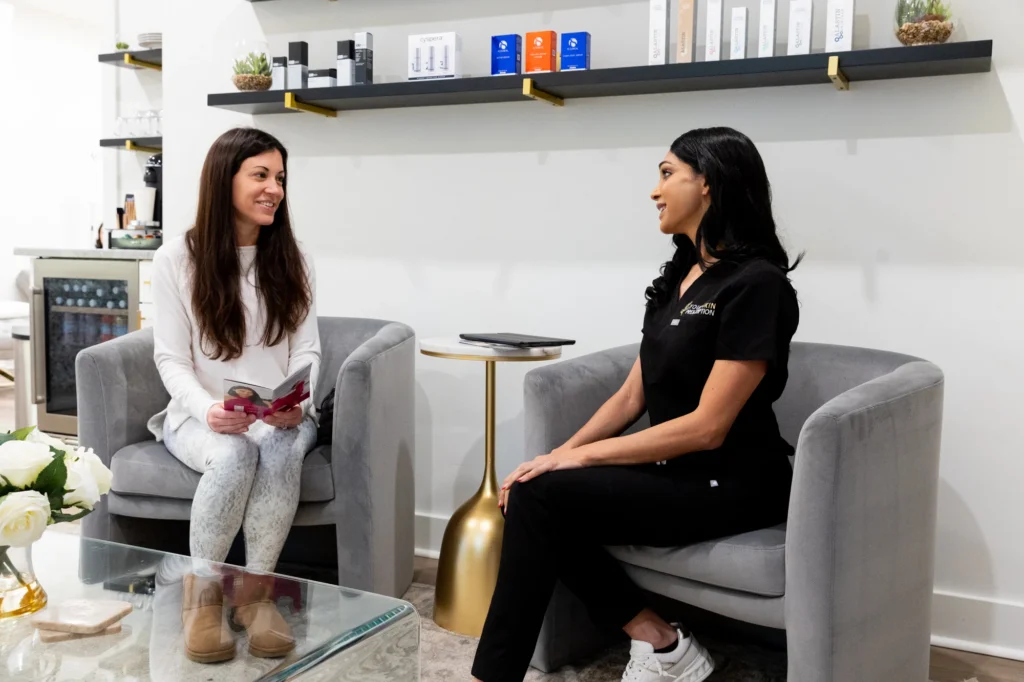
When you begin your search, focus on a few key areas: the professional’s qualifications and experience, the quality of your consultation, and the overall environment of the spa. A great provider will excel in all three. They will be transparent about their training, take the time to create a personalized plan for you, and operate in a clean, welcoming space that uses modern technology. At Your Skin Prescription, we believe this combination is essential for a positive and effective skin care journey. Taking the time to find the right fit ensures your experience is stress-free from start to finish.
Finding a Provider You Can Trust
First things first, let’s talk credentials. You should always look for a provider who is licensed, highly trained, and has plenty of experience with the specific treatment you’re considering. For services like medical facials or microneedling, you’ll want to see a skilled medical aesthetician. Don’t be shy about asking how many times they’ve performed a procedure or if they have a specialty. An expert will be proud to share their background with you. A provider’s experience is a key factor in the safety and success of various skin resurfacing treatments.
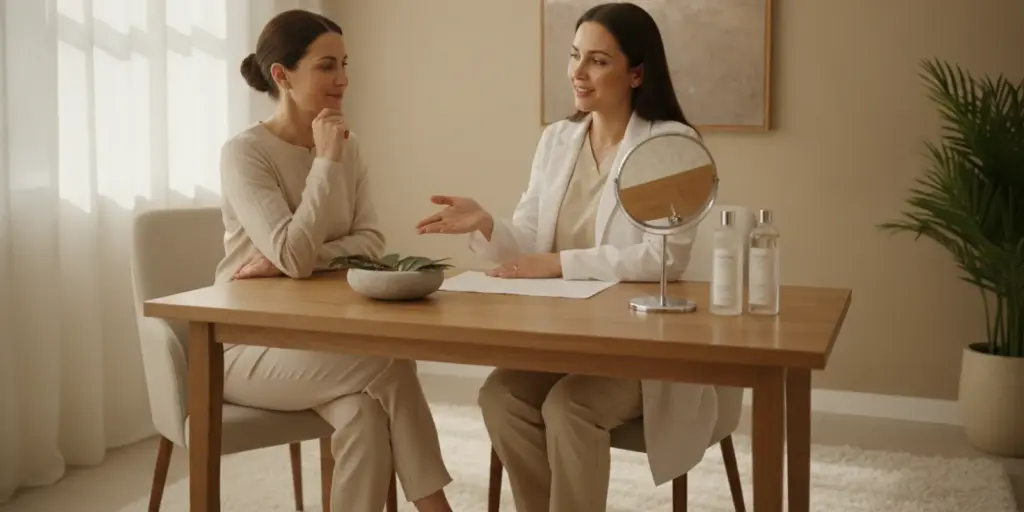
Questions to Ask During Your Consultation
Your consultation is the perfect opportunity to make sure a provider is the right match for you. This is your time to ask questions and get a feel for their approach. A great professional will listen carefully to your concerns and collaborate with you on a treatment plan.
Come prepared with a few questions, such as:
- Based on my skin and goals, which treatment do you recommend?
- What kind of results can I realistically expect, and in what timeframe?
- Can I see before-and-after photos of your clients?
- What does the aftercare process involve?
This conversation is crucial for aligning on the best path forward for your skin rejuvenation goals.
Consumer Awareness: Spotting Ineffective Products
The beauty market is flooded with products promising to turn back the clock, which can make it hard to know what actually works. A good rule of thumb is to be skeptical of anything that sounds too good to be true. Many over-the-counter powders, sprays, or gels claim to contain powerful ingredients but are ultimately ineffective. For example, some products promise results from ingredients that can’t be absorbed through the skin and need to be administered by a medical professional to have any effect. True rejuvenation is a medical field focused on proven science, not miracle claims. Being an informed consumer means looking past the marketing and focusing on treatments and products with scientific backing and professional oversight.
Cosmetic Changes vs. Biological Health
It’s important to understand the difference between a temporary cosmetic fix and a true improvement in your skin’s biological health. Many products can make your skin feel smoother or look plumper for a few hours, but they don’t create lasting change at a cellular level. True rejuvenation therapy aims to do more than just improve appearances; it works to reverse the aging process by repairing or replacing old, damaged cells that your body can no longer fix on its own. Professional treatments are designed to trigger these deep healing processes. By stimulating your skin to build new collagen and repair itself from within, you’re investing in its long-term health and resilience, not just a superficial, fleeting effect. This is the key to achieving results that are both beautiful and sustainable.
Why the Clinic’s Tech and Atmosphere Matter
The clinic’s atmosphere says a lot about the quality of care you’ll receive. Look for a space that is clean, professional, and makes you feel relaxed. The environment is a reflection of the spa’s standards. A modern, well-maintained facility often indicates an investment in the latest, most effective technology, which can directly impact your results. The quality of the equipment used is a significant factor in the safety and outcome of your treatment. Finding a provider you trust in an environment you love makes it easier to build a long-term relationship for your skin health, which is why many clients enjoy the consistency of our med spa memberships.
Skin Rejuvenation Myths, Busted!
With so much information swirling around online and in magazines, it can be tough to separate fact from fiction when it comes to skin treatments. Many common beliefs about skin rejuvenation are based on outdated technology or simple misunderstandings. Let’s clear up a few of the most persistent myths so you can feel confident and informed about your skincare journey. Knowing the truth helps you set realistic expectations and choose treatments that are genuinely right for you and your goals.
Fact vs. Fiction: The Results Timeline
A common misconception is that you’ll see dramatic, final results immediately after one treatment. While some services, like a hydrating medical facial, can leave you with an instant glow, many rejuvenation therapies work by stimulating your body’s natural healing processes. Treatments like microneedling and certain laser therapies encourage new collagen production, which takes time. Think of it as planting a garden; you won’t see full blooms overnight. True, lasting results often appear gradually over several weeks or months and may require a series of sessions to achieve your desired outcome.
Fact vs. Fiction: What Does It Really Feel Like?
The old saying “beauty is pain” simply doesn’t apply to modern aesthetic treatments. The idea that skin rejuvenation is an intensely painful experience is a major myth. Providers prioritize your comfort every step of the way, often using topical numbing creams to ensure the treatment area is desensitized. While you might feel sensations like warmth, tingling, or pressure depending on the procedure, it’s rarely described as painful. Open communication with your medical aesthetician is key; they can adjust the treatment to keep you comfortable. Consistent care from a trusted provider helps you feel at ease, and our med spa memberships are designed to make that process seamless.
Fact vs. Fiction: Is There a “Right” Age for Treatment?
Many people believe that skin rejuvenation is only for those who already have significant signs of aging, like deep wrinkles or sagging skin. In reality, these treatments are beneficial for adults of all ages. In fact, many people in their 20s and 30s seek treatments for preventative reasons, a practice sometimes called “prejuvenation.” Addressing concerns like uneven skin tone, acne scarring, or fine lines early on can help maintain your skin’s health for years to come. It’s not about your age; it’s about your personal skin goals. A personalized consultation is the best way to discover which treatments will help you achieve the healthy, radiant skin you want.
Preparing for Your Treatment and Recovery
After you’ve chosen a treatment, it’s completely normal to wonder about the recovery process and what comes next. A great provider will walk you through every step, but it helps to have a general idea of what to expect. Your journey to glowing skin doesn’t end when you leave the spa; proper aftercare and maintenance are key to loving your results for a long time.
A Transparent Look at Potential Side Effects
Let’s be real: every skin treatment comes with potential side effects. The truth is that results can vary from one person to the next, and not everyone is a suitable candidate for every procedure. Common, temporary effects include redness, mild swelling, or sensitivity in the treated area, which usually fade within a few hours or days. During your consultation, your provider will discuss your skin’s unique needs and any potential risks. This conversation is crucial for ensuring you’re a good fit for the treatment and that you feel completely comfortable moving forward.
Your Post-Treatment Skincare Checklist
Think of your aftercare plan as the secret to getting the most out of your treatment. Following the instructions you’re given is non-negotiable for a smooth recovery and beautiful results. Your provider will create a customized plan just for you, considering your skin type and the specific treatment you received. This guide will likely include tips like avoiding direct sun exposure, using gentle skincare products, and staying hydrated. Adhering to these post-treatment suggestions will help minimize risks and support your skin’s healing process, ensuring you see the best possible outcome from your skin rejuvenation therapy.
Keeping Your Glow: Long-Term Maintenance Tips
Skin rejuvenation is more of a marathon than a sprint. To keep that gorgeous glow going, many treatments require ongoing maintenance. This doesn’t mean you’ll be in the spa every week, but it does mean that consistency is key. A solid at-home skincare routine paired with follow-up treatments, as recommended by your provider, will help you maintain your results. We can create a long-term plan that works for your lifestyle and goals. Our med spa memberships are a great way to make consistent care simple and rewarding, helping you protect your investment in your skin.
Beyond the Spa: Lifestyle’s Role in Rejuvenation
The incredible results you get from professional skin treatments are just the beginning of your journey. To truly protect your investment and help your skin thrive, it’s important to think about the bigger picture. What you do every day—from the food you eat to how you manage stress—plays a huge role in your skin’s health and appearance. Think of it as a partnership: we provide the advanced, targeted treatments to stimulate renewal, and your lifestyle choices create the supportive environment your skin needs to heal and maintain that beautiful glow. A holistic approach that combines professional care with healthy habits is the most effective way to achieve and sustain long-term results.
The Impact of Diet and Caloric Restriction
You’ve heard it before, but it’s true: you are what you eat. The food you consume provides the building blocks for healthy skin cells, so a nutrient-rich diet is your first line of defense. Research has shown that mindful eating can have a profound effect on the aging process. Specifically, studies on rejuvenation have found that consuming fewer calories—without becoming malnourished—can help slow down age-related changes in the body. This isn’t about restrictive dieting; it’s about choosing high-quality, nutrient-dense foods that fuel your body and skin. Focusing on a diet rich in antioxidants from fruits and vegetables can help protect your skin from environmental damage, supporting the beautiful results you achieve in the spa.
The Future of Rejuvenation Therapy
The world of aesthetic medicine is constantly evolving, and it’s exciting to look at what the future holds. While the treatments we use today are incredibly effective, scientists are always exploring new ways to support the body’s health on an even deeper level. The next wave of rejuvenation therapy aims to go beyond the surface to address the aging process at its source: our very own cells. These future treatments are focused on slowing, changing, or even reversing some of the biological markers of aging. While many of these concepts are still being researched, they offer a fascinating glimpse into a future where we can work more precisely with the body’s own systems to maintain a youthful state of health and vitality.
Systemic and Cellular Therapies on the Horizon
The next frontier in rejuvenation is moving beyond localized treatments and focusing on therapies that work throughout the entire body. Scientists are developing strategies that target the fundamental mechanisms of aging at the cellular level. Instead of just addressing the visible signs on the skin’s surface, these future therapies aim to improve the health of the cells themselves. This could mean clearing out damaged cells that contribute to aging or providing signals that encourage cells to behave more youthfully. It’s a shift toward a more foundational approach to wellness and longevity, with the potential for benefits that extend to every part of the body, including the skin.
Peptide and Hormone Therapies
As we age, our bodies naturally produce fewer hormones and signaling molecules, which can affect how our cells function. Future therapies are exploring ways to counteract this. For example, research has shown that carefully reintroducing hormones that decline with age has helped rejuvenate tissues in some studies. Peptides, which are short chains of amino acids, are also a major area of interest. They act as messengers, telling your cells how to behave. Scientists are studying how specific peptides can be used to signal skin cells to produce more collagen or repair damage, offering a highly targeted way to support skin health from within.
Senescent Cell Removal
One of the most exciting areas of research involves something called senescent cells. You can think of these as “zombie cells”—they’ve stopped dividing and doing their job, but they refuse to die. Instead, they stick around and release inflammatory signals that can damage the healthy cells around them. The accumulation of these cells is a key driver of the aging process. Researchers are now developing therapies, known as senolytics, that are designed to selectively remove these harmful cells from the body. By clearing them out, it may be possible to reduce inflammation and restore a more youthful function to tissues, including the skin.
Advanced Scientific Concepts in Anti-Aging
Taking an even deeper look into the future, scientists are working on concepts that sound like they’re straight out of science fiction. These advanced ideas go beyond just supporting cells and aim to fundamentally reprogram them. This research is still in its early stages, but it represents the ultimate goal of rejuvenation science: to not just slow down aging, but to potentially reverse it at a biological level. These concepts are complex, but they offer a powerful vision of what might be possible for health and longevity in the decades to come.
Epigenetic Reprogramming and Telomerase Reactivation
Two of the most groundbreaking concepts are epigenetic reprogramming and telomerase reactivation. Your DNA is like the hardware in a computer, but epigenetics is the software that tells it what to do. As we age, this “software” can get messy. Epigenetic reprogramming aims to reset the instructions in our cells, making old cells act younger. Another key area of research involves telomeres, the protective caps at the ends of our DNA that shorten as cells divide. An enzyme called telomerase can rebuild them. In lab studies, reactivating this enzyme has been shown to repair damaged tissues and reverse signs of aging, offering another potential pathway to true cellular rejuvenation.
Related Articles
- Non-Invasive Anti-Ageing Treatment: A Complete Guide
- Pain-Free Aesthetic Treatments: What Are My Options?
- Your Skin Prescription Reviews: An Honest Look
.cta-btn{display:inline-block!important;padding:12px 32px!important;font-size:16px!important;font-weight:500!important;text-decoration:none!important;color:#4a4a4a!important;background-color:#fff!important;border-radius:40px!important;border:none!important;transition:all .3s ease-in-out!important}.cta-btn:hover{background-color:#f5f2eb!important;color:#6c6c5f!important}
Frequently Asked Questions
How do I know which skin rejuvenation treatment is right for me? The best way to figure that out is through a personal consultation. It’s less about you choosing from a menu and more about having a conversation with a professional who can assess your skin, listen to your goals, and recommend a tailored plan. Your skin is unique, so your treatment plan should be, too.
Is there downtime after a skin rejuvenation treatment? It really depends on the specific service you receive. A gentle medical facial might leave you with an immediate glow and no downtime at all. More intensive treatments, like some chemical peels or laser therapies, may involve a few days of redness or light peeling. Your provider will always give you a clear idea of what to expect so you can plan your schedule accordingly.
How many sessions will I actually need to see results? This is a great question, and the honest answer is that it varies for everyone. The number of sessions depends on your specific skin concerns and the results you want to achieve. Correcting long-term sun damage, for example, will likely require a different treatment schedule than simply brightening a dull complexion. Your provider will outline a recommended plan during your consultation.
Can I get these treatments if I have sensitive skin? Yes, you absolutely can. The key is to work with a skilled provider who knows how to customize treatments for sensitive or reactive skin. Many therapies can be adjusted in intensity, and a professional will select the right approach to give you great results without causing irritation. Just be sure to discuss your skin’s sensitivities during your consultation.
When is the best time of year to start a treatment plan? While you can begin a skin rejuvenation plan at any time, many people prefer the fall and winter months for more corrective treatments. With less sun and more time spent indoors, it’s often easier to protect your skin as it heals. That said, with consistent use of a good sunscreen, you can safely achieve your skin goals year-round.

Rain Hoffmann is the founder of Your Skin Prescription, a modern med spa in Sewickley, PA. With a passion for advanced skincare and aesthetics, she specializes in Korean facials, medical facials, laser treatments, and results-driven skin care. Rain is dedicated to providing a pampering, stress-free experience in an elegant and welcoming environment.