You can have the most dedicated daily skincare routine, complete with cleansers, serums, and moisturizers, yet still feel frustrated by stubborn texture, discoloration, or fine lines that just won’t budge. That’s because topical products can only do so much. To achieve a significant change, you often need to go a level deeper. A skin resurfacing treatment is that next step. These professional procedures work beneath the surface to correct imperfections at their source. By promoting your skin’s natural renewal cycle, they help build new collagen and reveal fresh, healthy cells for a truly revitalized and smoother appearance.
.cta-btn{display:inline-block!important;padding:12px 32px!important;font-size:16px!important;font-weight:500!important;text-decoration:none!important;color:#4a4a4a!important;background-color:#fff!important;border-radius:40px!important;border:none!important;transition:all .3s ease-in-out!important}.cta-btn:hover{background-color:#f5f2eb!important;color:#6c6c5f!important}
Key Takeaways
- Understand the Goal of Resurfacing: These treatments, from lasers to chemical peels, work by creating a controlled renewal process in your skin. The main objective is to remove damaged outer layers and stimulate new collagen growth, which is how you achieve a smoother texture and reduce the appearance of fine lines, scars, and sun damage.
- Start with a Professional Consultation: The most important step is a one-on-one conversation with a skilled provider. They will assess your unique skin and goals to recommend the safest and most effective treatment, ensuring your plan is perfectly tailored to you instead of relying on guesswork.
- Commit to the Process for Best Results: Achieving your desired outcome is a partnership between you and your provider. It involves a series of treatments, following pre-care instructions, and being diligent with your aftercare, especially daily sunscreen use, to protect your skin as it heals and maintain your beautiful results.
What Is Skin Resurfacing?
Think of skin resurfacing as a reset button for your complexion. Over time, factors like sun exposure, aging, and even old acne breakouts can leave their mark on your skin, showing up as fine lines, spots, or an uneven texture. Skin resurfacing treatments are professional procedures designed to address these concerns by carefully removing the outermost, damaged layers of skin. This process encourages your body’s natural healing response, revealing the smoother, healthier, and more radiant skin waiting just beneath the surface.
Whether you’re hoping to soften the appearance of wrinkles, minimize scars, or correct uneven skin tone, there’s likely a resurfacing option that can help. The goal is to create a more uniform and youthful appearance by promoting the growth of new, fresh skin cells. It’s a targeted approach that goes beyond your daily skincare routine to create noticeable and lasting improvements. At Your Skin Prescription, we can help you find the perfect treatment to achieve your specific skin goals in our relaxing and stress-free environment.
How Does It Work?
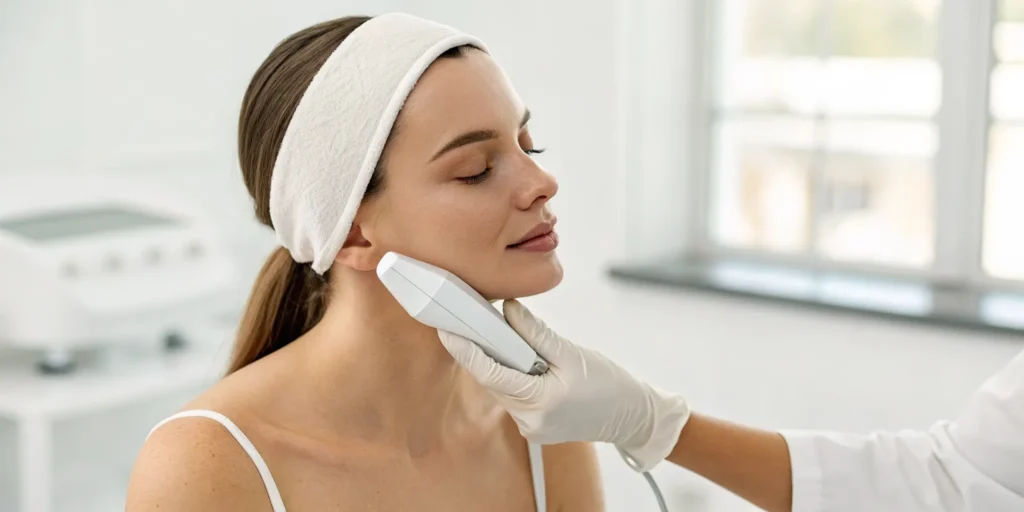
At its core, skin resurfacing works by creating a controlled, therapeutic injury to the skin. While that might sound intense, it’s a precise process that kickstarts your skin’s natural renewal cycle. Treatments like laser resurfacing use focused light to gently remove the top layer of skin while heating the layers underneath. This heat is crucial because it signals your body to produce new collagen, the protein responsible for keeping your skin firm, plump, and smooth. As the treated area heals, the new skin that forms is smoother and more even-toned, effectively reducing the appearance of imperfections.
Ablative vs. Non-Ablative: What’s the Difference?
When exploring laser treatments, you’ll hear the terms “ablative” and “non-ablative.” Ablative lasers work by removing the thin outer layer of skin (the epidermis) and heating the underlying skin, which stimulates collagen growth. This approach can produce very dramatic results but typically requires more recovery time. On the other hand, non-ablative lasers are less invasive. They work by heating the tissue under the skin’s surface to stimulate collagen production without removing the top layer. The results tend to appear more gradually over time, but the major benefit is that there is little to no downtime involved.
Your Guide to Skin Resurfacing Treatments
Skin resurfacing might sound intense, but it’s really just a category of professional treatments designed to refresh and renew your skin’s appearance. Think of it as hitting the reset button. Each method works a little differently to reveal a smoother, more even-toned complexion. From light-based energy to controlled exfoliation, there’s a path for nearly every skin goal. Let’s walk through some of the most effective skin resurfacing treatments so you can find the perfect match for you.
Laser Skin Resurfacing
Laser resurfacing uses focused light energy to improve your skin’s texture and tone. It’s a fantastic option for addressing concerns like fine lines, age spots, and uneven coloration, primarily on the face. While it won’t fix sagging skin, it works wonders on the surface. There are a few different types. Some lasers, like Erbium, are great for fine to medium wrinkles on the face, hands, or chest. Others, known as fractional lasers, create tiny micro-channels in the skin, which stimulates healing while leaving surrounding tissue untouched. This approach helps your skin build new, healthy cells for a refreshed look.
Chemical Peels
A chemical peel involves applying a specialized solution to the skin, which causes the outermost layers to gently peel away. This process reveals the newer, more radiant skin underneath. Peels are incredibly versatile and can help reduce age spots, smooth fine lines, soften acne scars, and generally brighten your complexion. They range from light to deep. Light peels use mild acids and are performed by a medical aesthetician with little to no downtime. Deeper peels use stronger solutions to address more significant concerns like severe sun damage, offering more dramatic results but requiring a longer recovery period.
Microneedling
If you’re looking to address texture, fine lines, or scarring, microneedling is a game-changer. This treatment uses a device with tiny, sterile needles to create controlled micro-injuries in the skin. These little punctures are virtually invisible, but they signal your body to kickstart its natural healing process. In response, your skin produces fresh collagen and new, healthy cells. This regenerative process can effectively treat a wide range of concerns, including fine lines and wrinkles, acne scars, large pores, and even sun damage, leaving your skin smoother and firmer over time.
Microdermabrasion
For a gentle yet effective refresh with zero downtime, consider microdermabrasion. This treatment is a form of physical exfoliation that carefully buffs away the outermost layer of dead skin cells. A provider uses a special tool with a fine tip or abrasive particles to gently scrub the skin’s surface. It’s a comfortable procedure that is safe for all skin types and carries very little risk. Because it’s non-invasive, you can walk out of your appointment and get right back to your day. It’s an excellent choice for maintaining a bright, smooth complexion or as a first step into professional skin treatments.
What Skin Concerns Can Resurfacing Actually Address?
Skin resurfacing is a versatile approach to skincare, designed to address a wide range of common concerns by renewing the skin from the outside in. Think of it as a reset button for your complexion. By carefully removing damaged outer layers, these treatments encourage your body’s natural healing process, revealing the healthier, more radiant skin underneath. Whether you’re bothered by early signs of aging, lingering marks from past breakouts, or the effects of too much sun, there’s a good chance a resurfacing treatment can help. Let’s look at some of the specific issues these treatments can target.
Fine Lines and Wrinkles
One of the most popular reasons people seek out skin resurfacing is to soften the appearance of fine lines and wrinkles. As we age, our skin’s collagen production slows down, leading to less firmness and elasticity. Resurfacing treatments work by removing the tired, damaged top layers of skin. This process sends a signal to the layers underneath to kickstart healing and generate new collagen. The fresh skin that grows in its place is smoother, firmer, and more youthful-looking, which helps diminish the look of those fine lines around your eyes, mouth, and forehead. It’s an effective way to achieve a refreshed appearance.
Acne Scars and Uneven Texture
If you’re dealing with the lasting reminders of acne in the form of scars or a generally uneven skin texture, resurfacing can make a significant difference. These treatments are excellent for smoothing things over. By removing the outermost layer of skin, the process can reduce the depth of atrophic, or pitted, acne scars. At the same time, the controlled healing response stimulates collagen growth, which helps to plump the skin from within. This dual-action approach is what makes skin resurfacing treatments so effective for creating a smoother, more uniform canvas and improving your skin’s overall texture.
Sun Damage and Pigmentation
Years of sun exposure can leave their mark in the form of sun spots, discoloration, and an uneven skin tone. Skin resurfacing is a fantastic tool for addressing this type of pigmentation. The treatment works by targeting and removing the layers of skin where that excess pigment is stored. As your skin heals, the new cells that form are more evenly toned, helping to fade dark spots and correct discoloration. This helps restore a more balanced and luminous complexion, effectively turning back the clock on some of that visible sun damage. It’s a great way to get back to a brighter, more even-toned you.
Is Skin Resurfacing Right for You?
You’re intrigued by the promise of smoother, more radiant skin, but you’re wondering if skin resurfacing is the right path for you. It’s a great question to ask. While these treatments can be transformative, they aren’t a one-size-fits-all solution. The best approach depends entirely on your unique skin, your goals, and your lifestyle. Figuring out if you’re a good candidate is the first and most important step toward getting the results you want. Let’s walk through what you need to consider.
What to Consider for Your Skin Tone and Type
Your skin is beautifully unique, and its specific characteristics, like tone and type, play a big role in determining the best resurfacing treatment. For example, some powerful laser treatments may not be the first choice for very dark skin tones due to a higher risk of pigmentation changes. However, that doesn’t mean you’re out of options. Many treatments, including microneedling and certain chemical peels, can be safely and effectively performed on a wide range of skin tones. The most critical factor is the person performing your treatment. Seeing a skilled and experienced provider who understands the nuances of different skin types is essential for ensuring a safe procedure and beautiful results.
Why a Professional Consultation Is Key
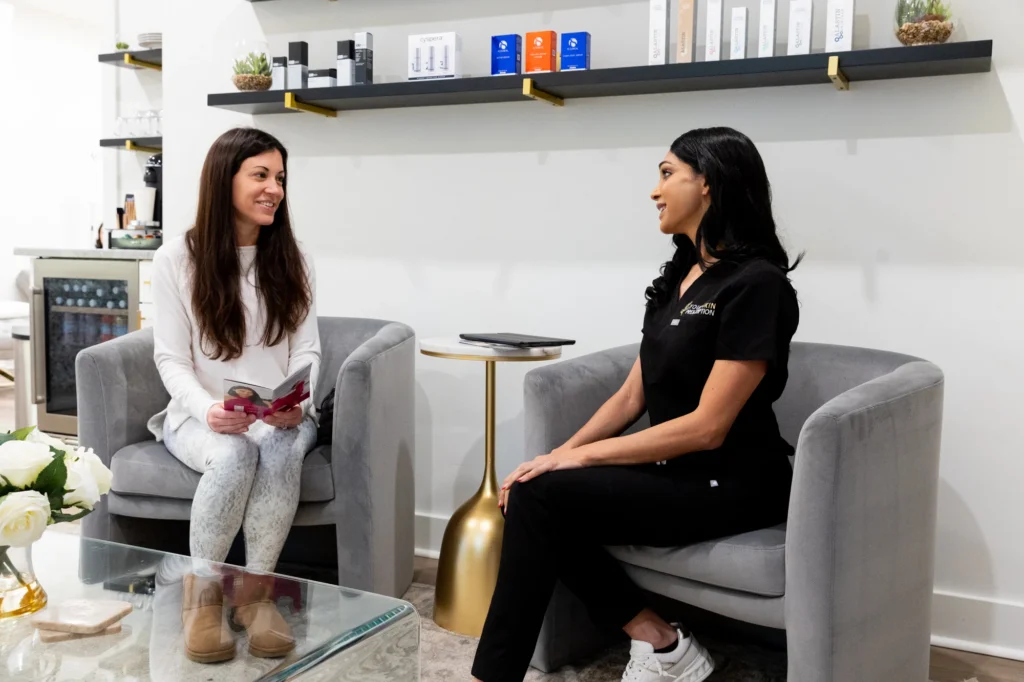
If you take away only one piece of advice, let it be this: always start with a professional consultation. Think of it less as an appointment and more as a strategic conversation about your skin. During this session, a provider will carefully assess your skin type, discuss your concerns, and listen to what you hope to achieve. This is your opportunity to ask every question you have. Based on this thorough evaluation, they will create a personalized treatment plan tailored specifically to you. This step eliminates the guesswork and ensures the treatment you receive is the safest and most effective one to help you reach your goals.
Weighing the Pros and Cons of Skin Resurfacing
Making a decision about any skin treatment involves looking at the full picture. Skin resurfacing can deliver incredible results, but it’s also important to understand what the process involves, including potential side effects and recovery. Let’s walk through the benefits you can look forward to, the risks you should be aware of, and some common myths to clear up before you schedule a consultation. This way, you can feel confident and prepared every step of the way.
The Benefits: What You Can Achieve
The main goal of skin resurfacing is to reveal healthier, more youthful-looking skin. These treatments work by removing damaged outer layers, making way for new cell growth. The benefits can be transformative, helping to create a smoother texture and a more even complexion. Many people seek out these treatments to reduce the appearance of fine lines, wrinkles, and scars. By encouraging your skin to produce more collagen, skin resurfacing treatments also help restore firmness and elasticity. After your skin has fully healed, you can enjoy a refreshed appearance with results that can last for years.
The Risks: What to Be Aware Of
It’s completely normal for your skin to be swollen, itchy, or sensitive after a resurfacing treatment. These effects are temporary, but it’s good to know what to expect. Other potential side effects include changes in skin color, where some areas may become darker or lighter, or the appearance of tiny white bumps called milia. There’s also a small risk of infection, such as a flare-up of the cold sore virus. Following your aftercare instructions carefully is the best way to minimize these risks and support your skin’s healing process. It’s also why working with a professional who creates a safe treatment schedule is so important; too many laser resurfacing sessions too close together can be counterproductive.
Busting Common Myths Before You Book
One of the biggest myths about skin resurfacing is that any treatment will work for anyone. In reality, these procedures are not one-size-fits-all. The right approach depends entirely on your unique skin type, concerns, and goals. This is why choosing a skilled and experienced provider is the most important step you can take. They have the expertise to assess your skin and recommend a treatment that will be both safe and effective for you. Before you commit to anything, you should always have a personal consultation. This is your opportunity to ask questions and co-create a plan that will help you achieve the beautiful results you’re looking for at Your Skin Prescription.
Your Treatment Journey: Before, During, and After
Knowing what to expect can make your skin resurfacing experience feel exciting rather than intimidating. Your journey to smoother, more radiant skin is a process with three key phases: preparation, the treatment itself, and recovery. At Your Skin Prescription, we guide you through every step to ensure you feel comfortable, confident, and cared for. We believe that a relaxing experience is just as important as the beautiful results you’ll achieve. From your initial consultation to your final follow-up, our team is here to support you and answer any questions you have along the way.
How to Prepare for Your Appointment
Your journey to glowing skin begins with a thorough consultation. This is where we’ll chat about your health history, current medications, and skin goals to create a personalized treatment plan. To get your skin ready, your provider may recommend a specific skincare routine in the weeks leading up to your appointment. It’s also crucial to avoid direct sun exposure for several weeks beforehand, as treated skin can be more sensitive to UV rays. If you smoke, we advise stopping at least two weeks before and after your procedure to support your body’s natural healing process. Following these pre-treatment steps helps ensure your skin is in the best possible condition for optimal results.
What to Expect During the Procedure
On the day of your treatment, our priority is your comfort. We’ll start by cleansing your skin and applying a topical numbing cream to the treatment area to minimize any sensation. You can simply lie back and relax in our serene environment. Depending on the specific resurfacing method and the size of the area being treated, the procedure itself can take anywhere from 30 minutes to two hours. Some treatments deliver results in a single session, while others, like certain non-ablative lasers or a series of chemical peels, may require a few appointments spaced several weeks apart to achieve your desired outcome.
Your Aftercare Plan: Recovery and Downtime
After your treatment, your skin will begin its renewal process. It’s normal to experience some redness, swelling, and a sensation similar to a sunburn for a few days. Your provider will give you detailed aftercare instructions, which typically include applying a special ointment and avoiding any harsh or irritating skincare products. In about three to seven days, you may notice your skin becoming dry and starting to peel, revealing the fresh, new skin underneath. Protecting this delicate new skin from the sun is absolutely essential. Diligent use of sunscreen is non-negotiable to protect your investment and maintain your beautiful results. Consistent, professional care can help you enjoy your glow for years to come, which is why many of our clients find value in our med spa memberships.
Planning Your Investment: Cost and Sessions
How Many Treatments Will You Need?
Great skin is a journey, not a destination, and the same is true for skin resurfacing. Achieving those smooth, glowing results is a gradual process that requires a series of treatments. For most laser resurfacing plans, you can expect to book between three to five sessions, each scheduled about four to six weeks apart. This spacing is intentional; it gives your skin the time it needs to heal and, most importantly, to ramp up its natural collagen production. Each session treats a fraction of your skin, so a full series ensures the entire target area is renewed. Think of it as a strategic plan, where each appointment builds on the last to create comprehensive, lasting results.
Could a Med Spa Membership Be Right for You?
Investing in your skin is one of the best things you can do for yourself, and it’s helpful to plan for the financial side. While costs vary widely depending on the treatment and area, it’s important to remember that a series of sessions is usually needed. Since skin resurfacing is typically considered a cosmetic procedure, it’s generally not covered by health insurance. To make your skincare goals more accessible, you might consider a membership. Our med spa memberships are designed for clients who are committed to a consistent routine. They allow you to bundle services and plan your treatments over time, making it easier to stay on track while enjoying the relaxing, results-driven experience you deserve.
How to Choose the Right Treatment for Your Skin
Deciding on the right skin resurfacing treatment can feel like a big step, but it doesn’t have to be overwhelming. The most effective approach is always a personalized one. The best treatment for you depends entirely on your unique skin type, your primary concerns, your lifestyle, and what you hope to achieve. For example, the strategy for addressing fine lines will be different from the one used for acne scarring or sun damage. This is why a one-on-one conversation with a skin expert is the most important part of the process. It’s the first step toward creating a treatment plan that is both safe and effective for your specific needs.
Finding the right provider is just as important as choosing the right treatment. It’s essential to find a skilled and experienced person you trust with your skin. Some intensive procedures, like deep chemical peels or certain laser treatments, should only be performed by a qualified medical professional. Lighter treatments, such as microneedling or gentle peels, can be done by a highly trained medical aesthetician. During your consultation, don’t hesitate to ask questions. Inquire about their experience with the treatment you’re considering and their familiarity with your skin type. A great provider will be happy to walk you through their qualifications and help you feel completely comfortable before moving forward. This ensures you’re in capable hands and on the right path to the results you want.
Related Articles
- Non-Invasive Anti-Ageing Treatment: A Complete Guide
- What Are Advanced Skin Rejuvenation Technologies?
- Pain-Free Aesthetic Treatments: What Are My Options?
- Aesthetic Treatments: Your Ultimate 2025 Guide
.cta-btn{display:inline-block!important;padding:12px 32px!important;font-size:16px!important;font-weight:500!important;text-decoration:none!important;color:#4a4a4a!important;background-color:#fff!important;border-radius:40px!important;border:none!important;transition:all .3s ease-in-out!important}.cta-btn:hover{background-color:#f5f2eb!important;color:#6c6c5f!important}
Frequently Asked Questions
Does skin resurfacing hurt? This is easily the most common question, and the honest answer is that it depends on the treatment. Your comfort is our top priority, so for many procedures, we apply a topical numbing cream beforehand. Some people describe the sensation of a laser as a quick, warm snap, while a light chemical peel might just feel a bit tingly. A gentle treatment like microdermabrasion is virtually painless. We will always talk you through what to expect so you can just relax during your appointment.
How much downtime should I actually plan for? Downtime can range from zero to about a week, depending entirely on the treatment you receive. For something like microdermabrasion, you can head right back to your day. For more intensive treatments, you might experience a few days of redness and sensitivity, similar to a sunburn, followed by some light peeling. We call this “social downtime,” meaning you are perfectly fine to be up and about, but you might prefer to lay low and skip any big events while your skin renews itself.
Is there a best time of year to get these treatments? Yes, many people prefer to schedule skin resurfacing treatments during the fall and winter months. The main reason is that your skin is extra sensitive to sunlight after a procedure, and it’s much easier to avoid strong sun exposure when the days are shorter and you’re spending more time indoors. Protecting your fresh, new skin from UV rays is crucial for achieving the best possible results, so planning your treatment during a less sunny season can be a smart move.
With so many options, how do I know which treatment is right for me? You don’t have to figure this out on your own; that’s what we’re here for. The perfect treatment is always personalized. During a one-on-one consultation, a skilled provider will assess your skin, listen to your goals, and consider your lifestyle. Based on that conversation, they will recommend the best approach for you, whether it’s a series of light chemical peels with a medical aesthetician or a laser treatment plan. This step ensures you get a safe and effective plan tailored just for you.
How long will my results last? The longevity of your results depends on the intensity of the treatment and how you care for your skin afterward. Results from deeper treatments can last for several years. The key to maintaining your glow is diligent aftercare, especially when it comes to sun protection. Think of skin resurfacing as a major reset, and your daily skincare routine and follow-up maintenance treatments are what help protect that investment and keep your complexion looking its best for years to come.

Rain Hoffmann is the founder of Your Skin Prescription, a modern med spa in Sewickley, PA. With a passion for advanced skincare and aesthetics, she specializes in Korean facials, medical facials, laser treatments, and results-driven skin care. Rain is dedicated to providing a pampering, stress-free experience in an elegant and welcoming environment.