
Baby Botox Pittsburgh: A Guide to Subtle Results
Baby Botox Pittsburgh is a conservative approach to neuromodulator treatment for people who want to soften expression lines while keeping their features natural. Instead of treating every area or aiming for maximum smoothing, a medical professional plans the dose and placement around your facial movement, goals, and anatomy. The result is a measured conversation about subtle refinement, not a promise of a frozen or identical look.
Contact Rain’s Skin Prescription to discuss a personalized Baby Botox plan.
What Is Baby Botox in Pittsburgh?
Baby Botox Pittsburgh describes a lower-dose, carefully targeted approach to Botox. It may soften selected dynamic lines while preserving more facial movement than a more intensive plan. It is not a separate toxin product. A qualified medical professional determines whether it fits your anatomy, history, treatment goals, and desired degree of movement.
Baby Botox is a conversational term rather than the name of a separate medication. It generally refers to using a smaller or more limited amount of Botox in selected muscles. The plan may focus on one area, use fewer injection points, or take a gradual approach to treatment. The exact meaning can vary between practices, so the important question is not the label. It is how your provider evaluates your face and explains the intended result.
Botox works by temporarily reducing the nerve signals that tell targeted muscles to contract. When a muscle contracts less strongly, lines formed by repeated expression may appear softer. The effect is temporary, and the amount used depends on the treatment area, muscle strength, facial anatomy, prior treatment, and your preferences. A smaller amount does not automatically mean a better result. It means the plan should be matched carefully to the person receiving it.
A natural-looking outcome does not mean that every line disappears or that the face becomes completely still. Many patients want to look rested while continuing to look like themselves when they smile, raise their eyebrows, or react in conversation. Your provider should explain what can reasonably be softened and what movement may remain.
Why a conservative plan can matter
A conservative plan gives you room to discuss priorities before deciding whether to treat one area or several. It can be especially useful when you are new to injectable care or when you are concerned about looking overtreated. Starting with a focused plan may also make it easier to evaluate your response before discussing future maintenance.
There is no universal Baby Botox dose. A fixed number of units chosen without an examination cannot account for muscle strength, asymmetry, brow position, eyelid anatomy, or how you use your expressions. A medical professional should make the recommendation after reviewing your health history and observing facial movement.
Who May Consider Baby Botox?
Baby Botox may appeal to adults who want to soften early or moderate expression lines with a measured approach. It is sometimes considered by first-time patients, people who prefer subtle changes, and those who want to address one facial area rather than pursue a broad treatment plan. Age alone does not determine candidacy, and preventive-oriented treatment is not automatically appropriate for every younger adult.
Goals that may fit the approach
Patients may be interested in Baby Botox when they want to reduce the appearance of lines that become more noticeable with repeated expressions. They may also want to preserve visible movement, begin with a single area, or understand how a conservative plan fits into a broader skin care routine. A consultation should clarify whether the concern is dynamic movement, skin texture, volume change, or another issue that Botox may not address.
Some people describe their goal as prevention. It is more accurate to discuss preventive-oriented care as an effort to manage repeated muscle movement before lines become more established. It should not be presented as a guarantee that wrinkles will not develop. Sun exposure, skin quality, genetics, facial anatomy, and everyday expression all influence how lines appear over time.
When another plan may be more appropriate
A provider may recommend a different strategy when lines are present at rest, or when skin laxity or volume loss is the primary concern. The desired change may not be achievable safely with a neuromodulator alone. A lower dose may also be unsuitable when a patient expects complete smoothing or a dramatic change. Good treatment planning includes the option to defer treatment or discuss another service.
Before an appointment, make a list of previous neuromodulator treatments, allergies, medications, relevant medical conditions, and the expressions you want to preserve. Bring questions about the treatment area, expected timing, possible side effects, aftercare, and follow-up. This preparation helps your provider make the discussion specific rather than relying on a generic package.
Which Areas Can Baby Botox Treat?
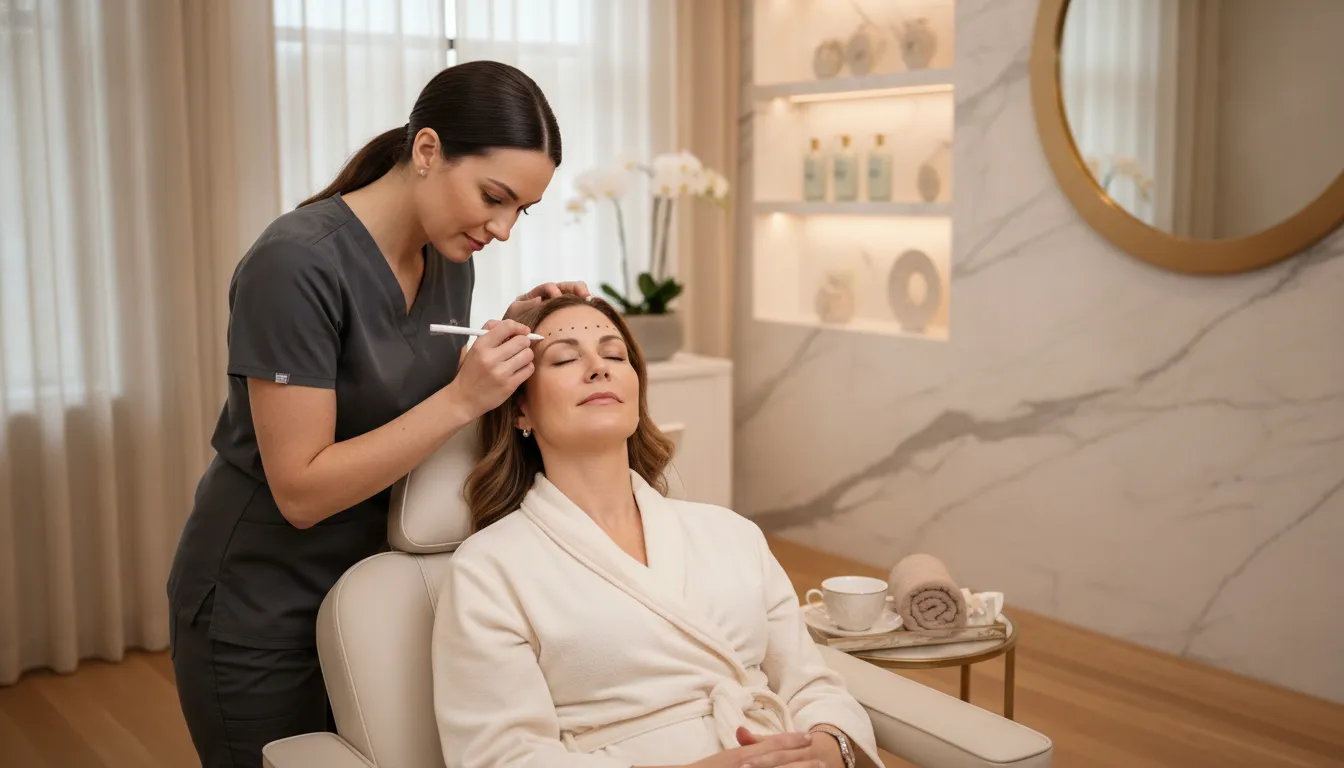
Baby Botox is commonly discussed for forehead lines, frown lines between the eyebrows, and crow’s feet at the outer corners of the eyes. The treatment area depends on the muscles involved, your facial proportions, and the specific movement you want to soften. A provider may recommend treating one area first or coordinating several areas for balance.
Forehead lines
Forehead lines appear when the frontalis muscle lifts the eyebrows. Treating this area requires attention to brow position and the surrounding muscles. Too much reduction in movement or an unbalanced plan can affect how the brows look. The provider should assess the forehead together with the glabella and upper face. A conservative approach may focus on softening prominent movement while retaining an expressive appearance.
Frown lines
Frown lines, often called glabellar lines, form between the eyebrows as the muscles pull the brows inward and downward. Some people notice these lines when concentrating or squinting. Treatment planning considers how strongly those muscles move and whether the goal is to soften the crease, reduce a tense appearance, or address both concerns. The assessment should include the full pattern of movement, not just the visible line.
Crow’s feet
Crow’s feet form around the outer eyes during smiling and other expressions. Because the eye area is delicate, precise placement and an understanding of individual anatomy are important. Some patients prefer to retain a noticeable amount of movement in this area. The treatment conversation should address that preference and set realistic expectations about what a conservative plan can change.
Baby Botox is not a universal solution for every facial line. Lines caused mainly by sun damage, skin texture, or volume changes may need a different evaluation. Your provider can explain whether a neuromodulator, a skin treatment, or a combination of services better matches the concern. Learn more about cosmetic injectable treatments before your consultation.
Baby Botox Pittsburgh vs Full-Dose Botox: What Is the Difference?
Baby Botox Pittsburgh and a more intensive Botox plan use the same type of neuromodulator. But they may differ in dose, treatment area, injection pattern, or desired degree of movement. The label does not define a standard dose. Your provider should recommend a plan based on facial anatomy and goals rather than a preset menu.
| Factor | Conservative | More intensive |
|---|---|---|
| Goal | Subtle softening | More reduction |
| Scope | Limited areas | Several areas |
| Dose | Individualized | Individualized |
| Comparison | Goals and anatomy | Goals and anatomy |
The table describes planning concepts, not guaranteed treatment categories. There is no official Botox product called Baby Botox, and there is no single dose that defines the term. Two people asking for Baby Botox may receive different recommendations because they have different muscles, line patterns, prior treatment, or preferences.
A full-dose plan is not necessarily excessive, and a smaller plan is not necessarily safer or more effective for every person. The appropriate amount is the amount your provider believes can address the stated concern while respecting anatomy and safety considerations. Ask how the recommended plan differs from a more limited approach and what changes you should expect.
Rain’s Skin Prescription also provides Botox care near Pittsburgh for patients who want to review treatment options with a medical professional. The consultation is the right place to discuss whether the Baby Botox label accurately describes your goals.
What Happens During and After a Pittsburgh Appointment?
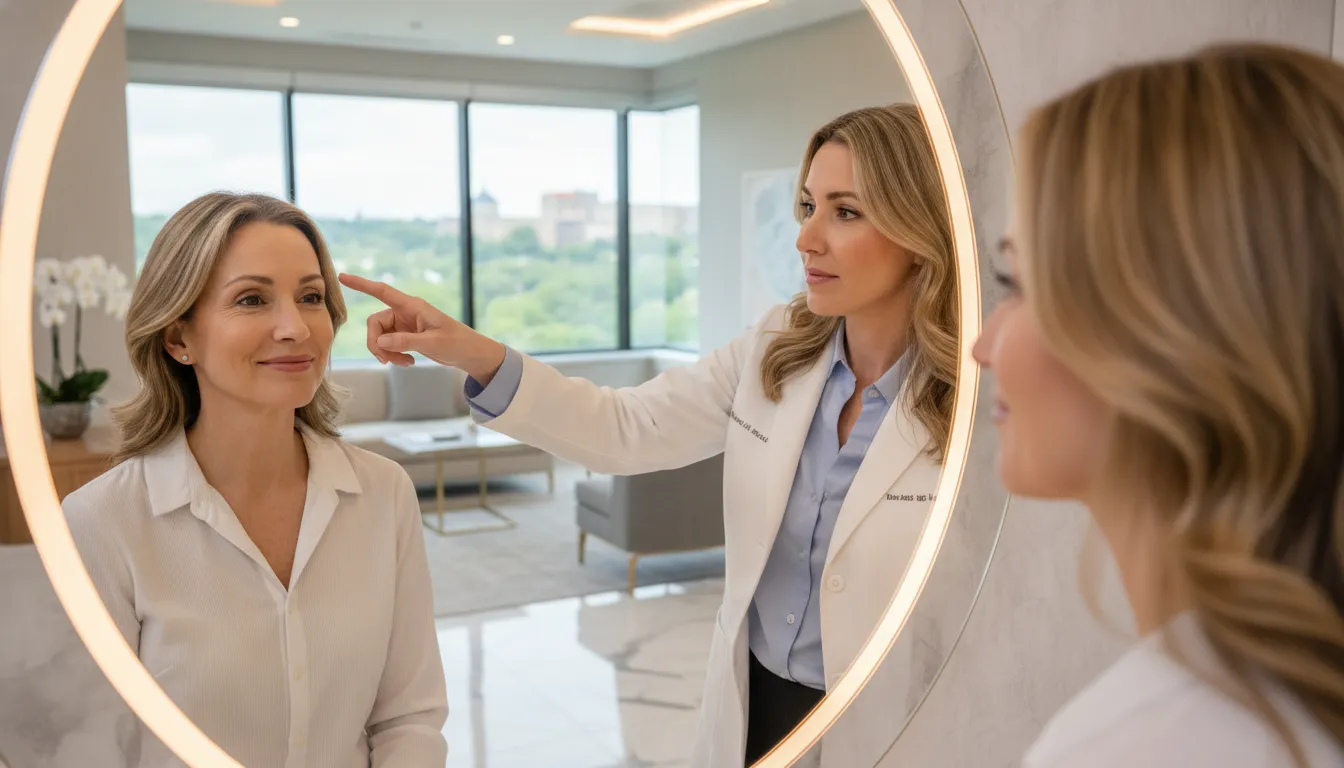
A Baby Botox appointment should be built around assessment, informed discussion, precise planning, and personalized aftercare. The provider should explain the proposed areas and answer questions before treatment begins. The process is not simply a matter of choosing a smaller number from a menu.
- Discuss goals and medical history. Share what you want to soften, what movement you want to keep, previous neuromodulator treatments, allergies, medications, and relevant health information.
- Assess facial movement. Your provider observes the face at rest and during expressions, including the forehead, brow area, and outer eyes when those regions are under consideration.
- Choose the treatment scope. The plan may focus on one area, several balanced areas, or no treatment if another option better fits the concern.
- Map and perform injections. The medical professional selects injection sites and an individualized amount based on anatomy, muscle activity, and the agreed goals.
- Review immediate aftercare. You receive instructions for the first several hours and guidance about what symptoms should prompt a call to the practice.
- Observe the developing result. Effects do not need to be judged immediately. Your provider can explain when to assess the response and whether follow-up is appropriate.
Aftercare and everyday activities
Follow the instructions given by your provider because they may reflect your treatment pattern and medical history. Common guidance may include avoiding rubbing or pressing on injection sites and postponing vigorous exercise for a period recommended by the practice. Mild redness, swelling, tenderness, or bruising can occur around injection sites. Contact the practice if symptoms concern you or do not follow the expected course.
Do not make decisions about additional treatment before the recommended follow-up window. Early asymmetry or incomplete effect may change as the neuromodulator takes effect. If you have questions about possible risks or contraindications, review clinical botulinum toxin safety information and discuss your specific circumstances with a medical professional.
How Long Does Baby Botox Last?
Baby Botox may last around three to four months, similar to other Botox treatment plans, but duration varies. Muscle strength, treatment area, dose, metabolism, prior treatments, and individual response can all influence how long the effect remains noticeable. The label Baby Botox does not guarantee a shorter or longer result.
Planning maintenance thoughtfully
Maintenance should be based on how your result develops and what you want to preserve. Some patients prefer to wait until movement and lines return before considering another appointment. Others discuss a longer-term plan with their provider. Scheduling automatically at a fixed interval is not necessary for every person.
Keep notes about the treatment date, areas addressed, your response, and any questions that arise. These details can help your provider compare your experience over time without treating each appointment as an isolated decision. If your goals change, say so. A conservative plan should remain flexible as your preferences and facial movement evolve.
How Should You Prepare for a Baby Botox Consultation?
Preparation is simple but useful. Write down the lines or expressions you want to discuss, the degree of movement you want to keep, and whether you have an upcoming event. Bring a current list of medications and supplements, plus information about prior Botox or other neuromodulator treatments. Tell the provider about allergies, pregnancy or breastfeeding considerations, medical conditions, and any recent procedures when relevant.
Consider asking these questions:
- Which areas appear to be contributing most to the lines I notice?
- What would a conservative plan change, and what would it leave visible?
- Would treating one area first make sense for my goals?
- When should I assess the result?
- What aftercare instructions apply to my appointment?
A useful consultation should leave you with a clear understanding of the proposed areas, expected timing, possible side effects, alternatives, and next steps. You should never feel pressured to proceed because a treatment label sounds popular. The decision belongs to you and should follow an informed discussion with a qualified provider.
Schedule a consultation with Rain’s Skin Prescription to review your options.
Frequently Asked Questions
How many units of Botox are in Baby Botox?
There is no universal Baby Botox unit count. The term usually describes a conservative plan, but the amount depends on the area, muscle strength, anatomy, prior treatment, and desired movement. A medical professional should determine the appropriate amount after an assessment rather than using a fixed number.
Is Baby Botox suitable for everyone?
No. Candidacy depends on your health history, treatment goals, facial anatomy, and the concern you want to address. Botox may not be appropriate in some circumstances, including known hypersensitivity to a botulinum toxin product or an active infection at an injection site. A consultation helps identify whether treatment or another option is appropriate.
What areas can be treated with Baby Botox?
Commonly discussed areas include forehead lines, frown lines between the eyebrows, and crow’s feet. The appropriate area depends on your facial movement and goals. Treatment may focus on one region or several areas for balance. Your provider should explain what can realistically be softened before proceeding.
How long does Baby Botox last?
Many Botox plans last about three to four months, but individual results vary. Muscle strength, treatment area, dose, and personal response can affect duration. Baby Botox does not have a guaranteed timeline. Your provider can help you decide when a follow-up or future maintenance discussion makes sense.
What is the recovery time after Baby Botox?
Many people resume routine activities quickly, although mild redness, swelling, tenderness, or bruising may occur at injection sites. Follow the practice’s specific instructions about exercise, rubbing treated areas, and other activities. Contact your provider if symptoms concern you or do not improve as expected.
Ready to Explore Baby Botox in Pittsburgh?
Baby Botox Pittsburgh can be a thoughtful option for people who want to discuss subtle expression-line softening without treating a fixed dose as the goal. The best plan depends on your features, health history, desired movement, and conversation with a qualified medical professional in the Pittsburgh area.
Contact Rain’s Skin Prescription to discuss your Baby Botox goals.