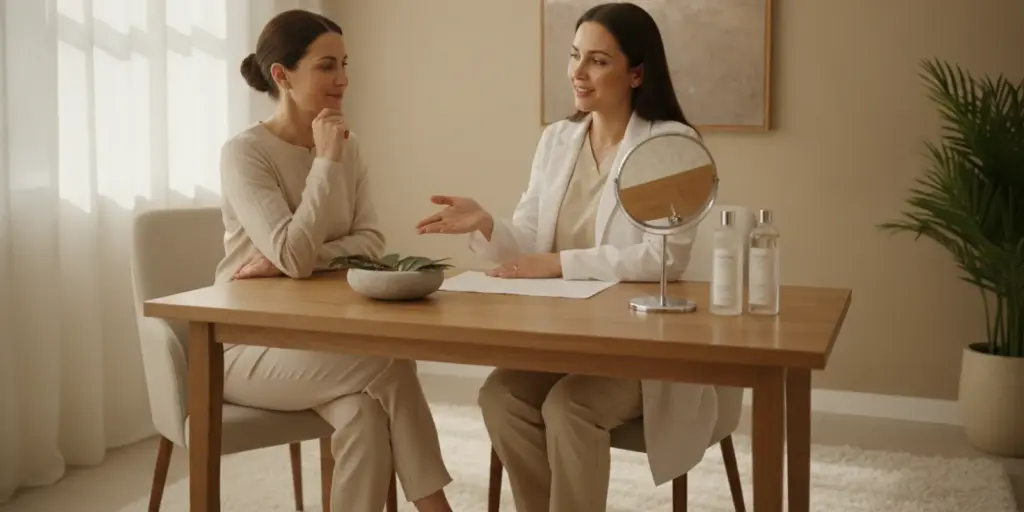

While at-home peels offer a mild exfoliation, a professional chemical peel provides a level of renewal that simply can’t be replicated. This difference in results is also reflected in the cost. The chemical peel price at a med spa covers the use of stronger, more effective ingredients and, most importantly, the expertise of a licensed medical aesthetician who ensures the treatment is perfect for your skin type and goals. This professional oversight is what guarantees a safe procedure and significant, lasting improvement. Here, we’ll explore what you can expect to invest and why a professional treatment is worth it.
A chemical peel is more than just a product; it’s a professional service tailored specifically to you. That’s why there’s no single answer to the question of cost. Think of it less like buying something off a shelf and more like commissioning a custom treatment plan for your skin. The chemical peel cost directly reflects this personalized approach. It accounts for the in-depth consultation, the specific chemical solution chosen for your concerns, and the skilled application by a trained professional. In this article, we’ll walk you through how these different components come together to determine the price of achieving your skin goals.
.cta-btn{display:inline-block!important;padding:12px 32px!important;font-size:16px!important;font-weight:500!important;text-decoration:none!important;color:#4a4a4a!important;background-color:#fff!important;border-radius:40px!important;border:none!important;transition:all .3s ease-in-out!important}.cta-btn:hover{background-color:#f5f2eb!important;color:#6c6c5f!important}
Key Takeaways
- A peel’s price reflects its intensity: The cost is directly tied to the strength of the peel you receive—whether it’s a light, medium, or deep treatment—as well as the expertise of your provider and the spa’s location.
- Plan for the complete journey: To get the best results, budget for more than just the procedure itself. Remember to factor in the initial consultation, essential aftercare products, and any follow-up treatments needed to achieve your goals.
- Your provider is your partner in skin health: The success of your treatment depends on finding a skilled professional you trust. Use your consultation to ask questions, verify credentials, and ensure you feel confident in their plan for your skin.
First Things First: What Is a Chemical Peel?
Think of a chemical peel as a powerful reset for your skin. It’s a professional skin treatment that uses a specialized chemical solution to gently remove the top layer of dull, old skin cells. This process encourages your body to generate fresh, new skin that is smoother, brighter, and more radiant. By speeding up your skin’s natural shedding process, a chemical peel can effectively address a whole range of common concerns, from fine lines and sun damage to acne and uneven skin tone. It’s one of the most reliable ways to reveal the healthier-looking skin that’s been waiting underneath.
Light, Medium, or Deep: Understanding the Peel Types
Not all chemical peels are created equal, and that’s a good thing! It means your treatment can be perfectly tailored to your skin’s unique needs. Generally, peels fall into a few categories based on their strength. Light or superficial peels are the gentlest option, using mild acids to treat things like dryness and minor discoloration. Medium peels go a bit deeper to tackle more noticeable fine lines, acne scars, and dark spots. Then there are deep peels, the most intensive type, which are designed to address more significant concerns like deep-set wrinkles and severe scarring. Our skilled aestheticians can help you determine the perfect peel for your goals during your consultation.
Common Acids and Their Benefits
The magic of a chemical peel lies in its active ingredients—specifically, the acids that do the heavy lifting. But don’t let the word “acid” scare you; these are highly controlled, skin-safe solutions chosen for their unique benefits. For example, Glycolic acid is a go-to for addressing fine lines and creating a more even skin tone, while Salicylic acid is fantastic for oily or acne-prone skin because it can penetrate pores to clear them out. Lactic acid is a gentler option, perfect for sensitive skin types, as it exfoliates while also providing hydration. A professional service is tailored specifically to you, meaning your aesthetician will select the right acid or combination of acids to target your concerns, whether it’s texture, pigmentation, or overall brightness.
Light-to-Medium Peels Explained
Chemical peels are categorized by their intensity, which determines how deeply they treat the skin. Light and medium peels are the most common types you’ll find at a med spa and can be safely performed by a skilled medical aesthetician. A light peel, often called a “superficial” peel, gently exfoliates the outermost layer of skin with minimal downtime, making it perfect for a quick refresh before an event. A medium peel goes a bit deeper to address more stubborn issues like fine lines and uneven pigmentation, which may involve a few days of noticeable peeling. Deep peels are much more intensive and are reserved for significant skin concerns; these should only be performed by a board-certified dermatologist due to the required aftercare.
How Long Do Chemical Peel Results Last?
The longevity of your chemical peel results depends largely on the strength of the treatment and how you care for your skin afterward. For light peels, you can expect your radiant glow to last about one to two months, which is why they are often recommended as a series of treatments for cumulative benefits. The more intensive results from a medium peel can last anywhere from two to six months. To get the most out of any peel, following a proper at-home skincare routine with high-quality products is essential. Consistent use of sunscreen is especially critical, as it protects your fresh, new skin from sun damage and helps maintain your beautiful results for as long as possible. Our memberships are a great way to make regular peels part of your routine.
The Real-Skin Benefits of a Chemical Peel
The benefits of a chemical peel are impressive and can go far beyond just your face. This versatile treatment is fantastic for diminishing the visible signs of aging and sun damage, like wrinkles and an uneven complexion. It helps create a smoother texture, reduces the appearance of pores, and can even help manage active acne breakouts. But the treatment isn’t limited to your face; chemical peels can also be applied to other areas like the neck, chest, back, and hands to correct sun spots and improve skin texture all over. It’s a comprehensive solution for achieving clearer, more youthful-looking skin.
What Goes Into the Price of a Chemical Peel?
When you start looking into chemical peels, one of the first questions you’ll probably have is about the price. The truth is, there’s no single answer. The cost isn’t a simple, one-size-fits-all number because several key things influence the final price tag. Think of it less like buying a product off the shelf and more like investing in a personalized service for your skin.
The three biggest factors that determine what you’ll pay are the specific type and intensity of the peel you get, the experience level of the person performing your treatment, and even the city or state where your med spa is located. Understanding how each of these elements contributes to the overall cost will help you set a realistic budget and make an informed decision about your skincare journey. Let’s break down what goes into the price of a peel.
The Type and Strength of Your Peel
Not all chemical peels are created equal, and this is the biggest reason for the wide range in pricing. The cost of a chemical peel depends heavily on whether you’re getting a light, medium, or deep peel. A light peel, which uses milder acids like glycolic or salicylic acid for a gentle exfoliation, is the most affordable option. It’s great for brightening your complexion with minimal downtime. A medium peel goes deeper to target fine lines and moderate discoloration, so it costs a bit more. Deep peels, which use the strongest solutions for significant resurfacing, are the most expensive and are performed less frequently. The strength of the chemical solution and the complexity of the application directly impact the final price.
Understanding Peel Strength (e.g., 20% TCA)
When you see a percentage on a peel, like “20% TCA,” it’s simply a way to measure its intensity. Think of it like different settings for achieving different results. Light peels are the gentlest option, using mild acids to refresh the skin’s surface. They’re perfect for tackling minor concerns like dullness or dryness and are the most budget-friendly choice with minimal downtime. A medium peel goes deeper to address more noticeable issues like fine lines and acne scars, offering more significant results. Deep peels are the most intensive, designed for significant concerns like deep-set wrinkles. The strength of the peel you choose is a major factor in the final cost, as it reflects the intensity of the solution and the expertise required for a safe, effective treatment.
The Expertise of Your Provider
When it comes to any aesthetic treatment, you’re paying for more than just the product—you’re paying for the skill of the person applying it. The expertise of your provider is a major factor in the cost. A highly experienced, licensed aesthetician or board-certified dermatologist will charge more than someone with less training, and for good reason. Their advanced knowledge ensures the peel is applied safely and effectively, tailored to your specific skin type and concerns. This expertise minimizes risks and helps you achieve the beautiful, glowing results you’re looking for. It’s always worth investing in a qualified professional you can trust with your skin.
Your Geographic Location
Just like the price of coffee can change from one city to the next, where your med spa is located plays a role in how much you’ll pay for a chemical peel. Location plays a crucial role because operating costs, like rent and local market demand, vary by region. A med spa in a major metropolitan area will likely have higher prices than one in a smaller town. Here at Your Skin Prescription, we are transparent about our pricing and are happy to discuss it with you during a consultation, ensuring you understand the value of receiving high-quality care right here in the Pittsburgh area.
How Location Affects Chemical Peel Costs
It might seem strange, but where you live has a big impact on the price of a chemical peel. The reason comes down to simple business economics: it costs more to run a med spa in a major city like New York or Los Angeles. Higher rent, utilities, and staff salaries are all factored into the treatment price. This is why the national average cost for a peel can vary so dramatically from state to state. In the Pittsburgh area, you can receive the same high-quality, professional service you’d find in a larger city but often at a more accessible price point because the local operating costs are different. It’s all about finding that sweet spot of expert care and reasonable pricing right in your own community.
Average Cost of a Chemical Peel by Type
Not all chemical peels are created equal, and their price tags reflect that. The cost is directly tied to the strength and depth of the peel you receive. Think of it like this: a gentle refresh will naturally cost less than a more intensive treatment designed for significant skin transformation. To give you a clearer picture of what to expect financially, let’s look at the typical price ranges for light, medium, and deep peels. This will help you understand where your specific skin goals might fit in.
National Averages and Price Ranges
So, what can you expect to invest? Nationally, the price for a chemical peel varies widely, but it really comes down to the intensity of the treatment. Light peels, which are perfect for a quick refresh and glow, are the most budget-friendly, often starting around $150 to $300. If you’re looking to address more specific concerns like fine lines or stubborn pigmentation, a medium peel is a great next step, and you can typically expect to see prices in the $400 to $800 range. Deep peels are the most intensive and are priced accordingly, often running into the thousands. The American Society of Plastic Surgeons notes that these figures can shift based on where you live and the expertise of your provider. A detailed chemical peel cost guide can give you a deeper look at these numbers, but a personal consultation is always the best way to get an accurate quote for your specific needs.
How Much Does a Light Peel Cost?
Light peels, often called “lunchtime peels,” are your go-to for a quick refresh. They gently exfoliate the outermost layer of skin to improve texture, even out tone, and give you a nice glow with very little downtime. Because they’re the mildest option, they’re also the most affordable. You can generally expect the cost for a chemical peel of this type to be around $249, though prices can fall anywhere between $192 and $434. This makes them a fantastic starting point if you’re new to peels or just want to maintain your skin’s radiance between other treatments.
How Much Does a Medium Peel Cost?
If you’re looking to address more specific concerns like fine lines, sun damage, or uneven pigmentation, a medium peel is a great step up. This treatment reaches the middle layers of the skin for a more thorough exfoliation and more noticeable results. The price reflects this deeper work, and a complete cost guide shows it typically ranges from $300 to $1,000 per session. The investment covers the stronger ingredients used and the expertise needed to apply them safely. While there’s a bit more downtime involved compared to a light peel, many find the visible improvement in their skin’s health well worth it.
Average Price for a Medium Peel
When you’re looking at a medium chemical peel, the cost reflects the treatment’s intensity and the skill needed to apply it safely. On average, you can expect to pay between $300 and $1,000 per session. This price range covers the stronger chemical solutions used to address specific concerns like fine lines, sun damage, and uneven pigmentation. A detailed cost guide puts the national average around $656, but this can change depending on your provider’s experience and the spa’s location. The investment is justified by the noticeable results it produces, since it reaches deeper layers of the skin for a more thorough exfoliation. Many people find the visible improvements in their skin’s health and appearance make it a worthwhile choice.
How Much Does a Deep Peel Cost?
Deep peels are the most intensive option available and are designed to produce dramatic, long-lasting results for significant skin issues like deep wrinkles or scars. These treatments, which often use powerful ingredients like TCA or phenol, penetrate deep into the skin’s layers. Due to their intensity and the high level of skill required, deep chemical peels are the most expensive, with costs ranging from $2,500 to $6,000. This type of peel requires a significant recovery period, but the transformative effects on the skin can be truly remarkable for the right candidate.
How Much Does a Deep Peel Cost?
Deep peels are the most powerful option for achieving a dramatic skin transformation. They are designed to address more significant concerns like deep-set wrinkles, extensive sun damage, and prominent scarring by working on the deeper layers of your skin. Because of their intensity and the high level of skill required from a medical professional, they represent a more significant investment. On average, you can expect the cost of a single deep peel to range from $2,500 to $6,000. This price reflects the complexity of the treatment, the powerful ingredients used, and the necessary aftercare involved during your recovery period.
While the American Society of Plastic Surgeons reports lower average costs for general skin resurfacing, deep peels are in a class of their own due to their specialized nature. This isn’t a simple facial; it’s a comprehensive procedure that delivers truly remarkable results for the right person. A thorough consultation is essential to determine if this is the best approach for your skin and to fully understand the procedure and its associated costs. Finding a provider you trust to guide you through the process is the most important step in your journey.
Are There Any Hidden Costs to Consider?
When you’re looking at the price of a chemical peel, it’s easy to focus on the cost of the treatment itself. But to get the beautiful, lasting results you’re hoping for, it’s smart to think about the entire process. Budgeting for a few additional items from the start ensures there are no surprises and helps you fully commit to your skin’s transformation. These aren’t just frivolous add-ons; they are essential parts of a safe and effective treatment plan that protects your investment and your skin. Let’s walk through what else you should factor into your budget so you can plan accordingly.
The Initial Consultation Fee
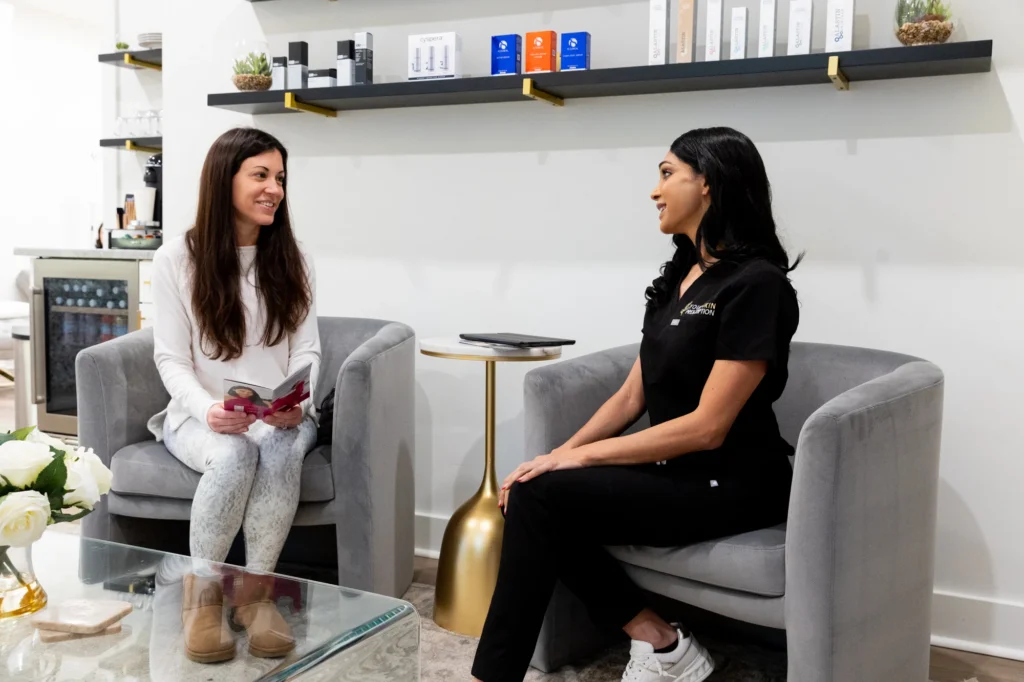
Before you even schedule the peel, you’ll have a one-on-one consultation. This is a critical step where you and a skilled aesthetician discuss your skin goals, concerns, and health history. They’ll analyze your skin to determine which type of chemical peel is the perfect match for you. Think of it as creating a personalized roadmap for your skin. Some med spas charge a fee for this in-depth consultation, which may sometimes be applied toward your treatment cost. It’s always a good idea to ask about this when you book your appointment. This initial meeting ensures your treatment is both safe and tailored to deliver the best possible outcome.
Budgeting for Aftercare Products
Getting a chemical peel is a commitment, and the work doesn’t stop when you leave the spa. Proper aftercare is absolutely essential for healing and achieving that gorgeous glow. Your skin will be extra sensitive post-treatment, so your regular products might be too harsh. You’ll likely need to invest in a few key items, such as a gentle, soap-free cleanser, a deeply hydrating moisturizer, and a high-quality, broad-spectrum sunscreen. Sun protection is non-negotiable, as your new skin will be very vulnerable to sun damage. Your aesthetician will give you specific recommendations to help you protect your skin and your results.
The Price of Follow-Up Appointments
While a single chemical peel can definitely give your skin a refreshing boost, many common concerns like stubborn hyperpigmentation, fine lines, or acne scars often require a series of treatments to see significant improvement. Your aesthetician might recommend a plan of three to six peels, spaced about a month apart, to achieve your ultimate goals. This means you’ll want to budget for multiple sessions. To make ongoing care more manageable, many people opt for treatment packages or med spa memberships, which can offer savings on a series of treatments. Planning for follow-up visits from the start helps you stay on track and get the lasting results you deserve.
Additional Procedure-Related Fees
To make sure your budget is fully prepared, it’s helpful to consider a few final details beyond the treatment itself. Things like gratuity, taxes, and cancellation policies can sometimes be overlooked but are important for a smooth experience. We always recommend asking about the spa’s approach to gratuity, as it’s a wonderful way to thank your aesthetician for their dedicated care. Also, keep in mind that listed prices may not include local taxes. Finally, familiarizing yourself with the cancellation policy can save you from unexpected charges if your plans change. At Your Skin Prescription, we prioritize transparency and are happy to clarify any of these points when you book your appointment.
How Can You Pay for Your Chemical Peel?
A chemical peel is an investment in your skin’s health and radiance, and it helps to know your payment options before you book an appointment. Great skin shouldn’t feel out of reach, and many modern med spas offer flexible ways to manage the cost. From breaking down the total into smaller payments to finding long-term value in memberships, you have choices that can fit your budget. This allows you to focus on what really matters: achieving your skin goals in a relaxing, stress-free environment.
Are Payment Plans an Option?
You don’t always have to pay for your treatment in one lump sum. Many med spas partner with third-party financing companies to offer flexible pay-over-time solutions. These plans allow you to split the total cost of your chemical peel into manageable monthly payments, so you can get the treatment you want now and pay for it gradually. Options like CareCredit are specifically designed for health and wellness expenses. It’s always a good idea to ask during your consultation what financing partners the med spa works with so you can find a plan that works for you.
Saving with Packages or Memberships
If you know you’ll want more than one treatment to achieve or maintain your results, look into packages or memberships. Buying a series of peels at once often comes with a discount compared to paying for each one individually. For even more value, a membership program can be a fantastic choice. Our med spa memberships are designed to make consistent skincare accessible, often including monthly treatments, discounts on other services, and exclusive perks. This approach helps you stay on track with your skin health goals while saving money in the long run.
Will Insurance Cover My Chemical Peel?
This is a common question, and the short answer is usually no. Because chemical peels are typically considered cosmetic procedures, most health insurance plans do not cover the cost. Insurance is designed to pay for medically necessary treatments, and enhancing your skin’s appearance generally doesn’t fall into that category. However, every insurance plan is different. If you believe your treatment might be covered for a medical reason, the best course of action is to contact your insurance provider directly before your appointment to understand the specifics of your policy.
Is a Chemical Peel Safe for Everyone?
While chemical peels are a fantastic and effective way to refresh your skin, they aren’t the right choice for every single person. Safety is always the number one priority, and a key part of a successful treatment is making sure you’re a good candidate from the start. This is why a thorough consultation with a professional is so important. It’s a chance for a skilled medical aesthetician to get to know your skin, understand your health history, and listen to your goals. This careful screening process ensures that a chemical peel will help you, not harm you, and sets you up for the best possible results.
Think of it as a partnership. Your role is to be open and honest about your health and skincare habits, and your provider’s role is to use that information to create a safe and effective treatment plan. Certain skin conditions, medications, and even your skin’s natural tendencies can influence how it will react to a peel. By taking a close look at these factors beforehand, we can avoid potential complications and make sure you feel confident and comfortable moving forward. Let’s explore some of the key considerations to determine if a chemical peel is a good fit for you.
Who Should Avoid Chemical Peels?
Certain conditions make a chemical peel too risky. If you are pregnant or breastfeeding, it’s best to postpone treatment. Your body is going through enough changes, and it’s wise to avoid introducing powerful active ingredients during this time. Similarly, if your skin has a history of forming keloids or other types of thick, raised scars, a chemical peel might trigger a similar healing response. People with active skin infections, open wounds, or certain chronic illnesses should also steer clear. The goal is to improve your skin’s health, and proceeding with a peel under these circumstances could do the opposite, so it’s crucial to wait until your skin is ready.
The Importance of Your Medical History
Being completely transparent about your medical history is one of the most important things you can do to ensure a safe treatment. During your consultation, be prepared to share everything, including any medications you take and all the creams or serums you use on your skin. Products containing ingredients like retinoids (such as Retin-A or Differin) can make your skin more sensitive, and you’ll likely need to stop using them for about a week before your peel. This isn’t just about skincare products; it’s about creating a complete picture of your health so your medical aesthetician can prevent any negative interactions and customize the peel perfectly for you.
Potential Side Effects and Risks
It’s helpful to know what to expect after your peel. Some temporary side effects are a normal part of the healing process. These commonly include redness, dryness, mild swelling, and a slight burning or itching sensation—all signs that the peel is working to reveal new skin. However, while rare, more serious risks can occur, such as changes in skin color or allergic reactions. Choosing a highly trained and experienced provider significantly minimizes these potential problems. A true professional knows how to select the right peel for your skin type and will be there to guide you through the healing process, ensuring everything goes smoothly.
Special Considerations for Darker Skin Tones
If you have a darker skin tone, you can absolutely get a chemical peel, but it’s essential to find a provider with specific experience treating skin of color. Melanin-rich skin can sometimes be more prone to developing post-inflammatory hyperpigmentation (dark spots) if the peel is too aggressive or isn’t applied correctly. An experienced medical aesthetician will understand the nuances of working with your skin type. They will likely start with a gentler peel and may recommend a specific pre-treatment routine to prepare your skin. This careful, knowledgeable approach ensures you get all the brightening and smoothing benefits without the risk of unwanted discoloration.
From Prep to Peel: What to Expect
Knowing what’s coming can make any new treatment feel less intimidating. A chemical peel is a straightforward process, but understanding each step helps you feel confident and prepared. From prepping your skin to seeing the final glow, here’s a clear guide to what your experience will look like from start to finish. At a professional med spa, your aesthetician will walk you through every phase, ensuring you feel comfortable and informed.
How to Prepare for Your Treatment
Think of this as setting the stage for amazing results. A few simple adjustments to your routine before your appointment can make a world of difference. In the week or so leading up to your peel, focus on keeping your skin happy and hydrated. This means sticking to gentle cleansers and moisturizers while avoiding any harsh exfoliants or new products that could cause irritation. Most importantly, be diligent with your sunscreen. Protecting your skin from the sun is a crucial step that helps ensure the best possible outcome from your treatment.
Pre-Peel Do’s and Don’ts
To get the most out of your chemical peel, a little prep goes a long way. Here are a few key things to keep in mind before your appointment. Do have an open conversation with your aesthetician during your consultation about your skincare routine, goals, and any medications you’re taking. They’ll give you personalized instructions to follow. In the week leading up to your treatment, do switch to a gentle routine with a mild cleanser and hydrating moisturizer. Don’t use any harsh exfoliants, retinoids, or new products that could irritate your skin. It’s also crucial to stay out of the sun for at least 10 days before your peel to prevent complications. Finally, you may be advised to avoid blood thinners for a few days prior to minimize any risk of bruising. Following these simple guidelines helps ensure your skin is perfectly prepped for a safe and effective peel.
What to Expect During Your Appointment
When you arrive for your appointment, the goal is for you to feel completely relaxed. Your aesthetician will start by thoroughly cleansing your skin to remove any makeup or oils. Then, they will carefully apply the chemical solution. As the peel gets to work, it’s common to feel a tingling or stinging sensation on your skin. This is completely normal and usually subsides quickly. The intensity can vary depending on the strength of the peel, but your provider will be right there with you to make sure you’re comfortable throughout the entire process.
The Sensation During Different Peels
It’s completely normal to wonder what a chemical peel feels like. The sensation you’ll experience is directly tied to the strength of the peel your aesthetician selects for you. For a light peel, you can expect a mild tingling or a slight warming feeling that lasts for just a few minutes—most people find it very manageable. A medium peel creates a stronger stinging or prickling sensation for about 15 to 20 minutes, but your provider can apply a numbing cream beforehand to keep you comfortable. The sensation during a chemical peel is temporary, and your aesthetician will be right there with you to make sure you feel at ease. For deep peels, which are much more intensive, providers use additional measures to ensure your comfort throughout the entire procedure.
After the Peel: Recovery and Results
After your treatment, your skin begins its renewal process. You can expect some redness and sensitivity, similar to a mild sunburn. Over the next few days, your skin will start to flake or peel, revealing the fresh, new skin underneath. The full recovery typically takes between seven to 14 days. For lighter peels, you can usually go about your daily life with minimal interruption. Deeper peels require a bit more downtime, sometimes up to two weeks, where it’s best to stay indoors and let your skin heal without sun exposure.
The Healing Timeline by Peel Type
Your skin’s recovery journey will look a little different depending on the intensity of your treatment. For a light peel, you might notice some redness or discoloration for about a week, but it’s usually mild enough that you can carry on with your routine. A moderate peel involves a bit more downtime; you can expect some swelling and scabbing as the skin heals, with potential discoloration lasting for a few months. Deep peels are a significant treatment, often involving severe swelling and redness that can persist for months. Your provider will monitor your healing closely to ensure everything is progressing as it should.
Post-Peel Skincare Essentials
Proper aftercare is non-negotiable for protecting your skin and getting the best results. Your freshly treated skin will be very sensitive, so your usual products may be too harsh. Your aesthetician will recommend a simplified routine focused on healing. This typically includes a gentle, soap-free cleanser to keep the area clean without stripping it, a rich, hydrating moisturizer to soothe and support the skin barrier, and a high-quality, broad-spectrum sunscreen. Sun protection is the most critical step, as your new skin is highly susceptible to sun damage, and this will safeguard your results.
When Can You Wear Makeup Again?
It’s natural to wonder when you can get back to your makeup routine. The answer depends entirely on the depth of your peel. After a light peel, you can typically apply makeup the very next day. For a moderate peel, you’ll need to give your skin more time to breathe and heal, so it’s best to wait about five to seven days. Following a deep peel, your skin requires a longer recovery period, and you should plan on waiting around two weeks before applying any makeup. Giving your skin this time is crucial for preventing irritation and allowing it to heal beautifully.
How Often Should You Get a Chemical Peel?
The ideal frequency for chemical peels is tied to your specific skin goals and the type of peel you receive. Light peels are excellent for maintenance and can be done as often as every four weeks to keep your skin looking bright and refreshed. Moderate peels, which target more specific concerns, are typically scheduled every few months. Because deep peels provide dramatic and long-lasting results, they are performed much less frequently—sometimes only once every few years. Your aesthetician will help you create a personalized treatment plan to achieve and maintain your desired outcome.
How to Choose the Right Provider
Finding the right person to perform your chemical peel is just as important as choosing the right peel. The experience and skill of your provider directly influence your safety, comfort, and results. A great aesthetician doesn’t just apply a product; they analyze your skin, understand your goals, and create a personalized treatment plan. This is a partnership, and you deserve to feel confident and cared for. Taking the time to vet your provider ensures you’re investing in professional expertise and peace of mind.
Always Check Their Credentials and Experience
When you’re trusting someone with your skin, their credentials should be crystal clear. Look for a licensed aesthetician, registered nurse, or board-certified dermatologist with specific training in chemical peels. Don’t be shy about asking about their qualifications and how long they’ve been performing these treatments. A reputable provider will be proud to share their experience. You can also check their website for team bios and before-and-after photos. At Your Skin Prescription, our team is built on expertise, ensuring you receive care from highly skilled professionals who prioritize your skin’s health.
Smart Questions to Ask at Your Consultation
Your consultation is your time to get all the information you need to feel completely confident. A great provider will welcome your questions and give you clear, honest answers without making you feel rushed. Think of it as an interview—you’re making sure they’re the right fit for you.
Come prepared with a list, including:
- Which peel do you recommend for my skin concerns, and why?
- What does the full cost include? Are there separate fees for the consultation or aftercare products?
- What results can I realistically expect, and how many sessions might I need?
- What is the recovery process like, and how much downtime should I plan for?
- What are the potential risks or side effects I should be aware of?
Provider Red Flags to Watch Out For
Always trust your gut. If a situation feels off, it probably is. One of the biggest red flags is a price that seems drastically lower than what other reputable med spas are charging. While a good deal is tempting, extremely low prices can signal an inexperienced provider or unsafe practices. Also, be wary of anyone who uses high-pressure sales tactics or dismisses your concerns. A true professional will focus on educating you, not just closing a sale. Quality care often comes in packages or med spa memberships that provide consistent value without ever compromising on safety or results.
The Big Question: Is a Chemical Peel Worth the Price?
Deciding if a chemical peel is the right move for your skin is a personal choice, but it’s one that many people find incredibly rewarding. When you think about the cost, it helps to see it as an investment in your skin’s long-term health and appearance. A peel does more than just provide a temporary glow; it works on a cellular level to address concerns like fine lines, sun damage, acne scars, and uneven texture. The key is understanding that professional peels offer more significant, lasting results than you can achieve with at-home products. When performed by a skilled aesthetician, a chemical peel is a powerful tool for revealing smoother, clearer, and more radiant skin.
Weighing the Long-Term Skin Benefits
One of the best things about a chemical peel is that the results are designed to last. While a light peel can give you an immediate refresh, medium and deep peels create more dramatic and durable changes. By removing damaged outer layers of skin, these treatments stimulate collagen production, which helps improve skin elasticity and firmness over time. This means you’re not just fixing a surface-level issue; you’re encouraging your skin to rebuild itself in a healthier way. Think of it as hitting the reset button, allowing for fresh, new skin to emerge that looks and feels rejuvenated for months or even years to come.
How Peels Compare to Other Skin Treatments
While there are many fantastic skin treatments available, chemical peels hold a unique place. Compared to less expensive, over-the-counter options, a professional peel provides more predictable, longer-lasting results with a lower risk of complications. Peels are also incredibly versatile and can be a fantastic addition to your existing skincare plan. They often enhance the effects of other treatments, like microneedling, by creating a smoother canvas for those procedures to work on. For a comprehensive approach, our med spa memberships can help you create a customized plan that combines peels with other services for the best possible outcome.
Related Articles
- How Long Does a Chemical Peel Take? Appt to Recovery
- Chemical Peels in Sewickley | Your Skin Prescription
- Your Day-by-Day Chemical Peel Recovery Timeline
.cta-btn{display:inline-block!important;padding:12px 32px!important;font-size:16px!important;font-weight:500!important;text-decoration:none!important;color:#4a4a4a!important;background-color:#fff!important;border-radius:40px!important;border:none!important;transition:all .3s ease-in-out!important}.cta-btn:hover{background-color:#f5f2eb!important;color:#6c6c5f!important}
Frequently Asked Questions
Does a chemical peel hurt? This is probably the most common question I get, and it’s a great one. Most people don’t describe the feeling as painful. Instead, you can expect a tingling, stinging, or warming sensation while the chemical solution is on your skin. The intensity varies depending on the strength of the peel, but it’s temporary and your aesthetician will be with you the entire time to ensure you’re comfortable.
How often should I get a chemical peel? The ideal frequency really depends on your skin goals and the type of peel you receive. For general maintenance and a consistent glow, a series of light peels might be recommended every four to six weeks. Medium peels are done less often, perhaps a few times a year, to address more specific concerns. A deep peel is a one-time treatment with long-lasting results. We’ll create a personalized treatment schedule that’s right for you during your consultation.
When will I see the final results from my peel? You’ll notice an initial glow as soon as the peeling process is complete, which is typically within one to two weeks. However, the benefits continue to improve from there. Because chemical peels stimulate collagen production, you’ll see continued improvements in your skin’s texture and firmness over the following weeks and months. Patience is key, and the beautiful, lasting results are well worth the wait.
Is there a best time of year to get a chemical peel? While you can get a peel any time of year, many people prefer to schedule them during the fall and winter months. With less intense sun and more time spent indoors, it’s often easier to protect your sensitive, healing skin from UV exposure. That said, as long as you are completely committed to using a high-quality, broad-spectrum sunscreen, you can achieve great results year-round.
Why should I get a professional peel instead of an at-home version? Think of it as the difference between a trim you do yourself and a cut from a professional stylist. At-home peels use much lower concentrations of acids for safety reasons, so they can only offer very mild, temporary exfoliation. A professional peel uses stronger, more effective ingredients that are customized for your specific skin type and concerns. This ensures you get significant, lasting results safely and without the risk of damaging your skin.

Rain Hoffmann is the founder of Your Skin Prescription, a modern med spa in Sewickley, PA. With a passion for advanced skincare and aesthetics, she specializes in Korean facials, medical facials, laser treatments, and results-driven skin care. Rain is dedicated to providing a pampering, stress-free experience in an elegant and welcoming environment.