That stubborn dark spot left behind long after a pimple has healed can be more frustrating than the breakout itself. You did everything right, you resisted the urge to pick, and yet, your skin holds onto this discolored reminder for weeks or even months. This is post-inflammatory hyperpigmentation (PIH), and it happens when skin inflammation triggers an overproduction of melanin. While it’s a common response to skin injury, from acne to a simple scratch, it doesn’t have to be a permanent part of your complexion. The right post inflammatory hyperpigmentation treatment plan can make all the difference, and it starts with understanding what’s happening beneath the surface.
.cta-btn{display:inline-block!important;padding:12px 32px!important;font-size:16px!important;font-weight:500!important;text-decoration:none!important;color:#4a4a4a!important;background-color:#fff!important;border-radius:40px!important;border:none!important;transition:all .3s ease-in-out!important}.cta-btn:hover{background-color:#f5f2eb!important;color:#6c6c5f!important}
Key Takeaways
- Stop Inflammation First: To effectively treat PIH, you must first address the root cause, whether it’s acne, irritation, or another skin condition. Calming active inflammation prevents new dark spots from forming while you treat existing ones.
- Combine At-Home and In-Office Care: The most effective strategy for fading dark spots involves teamwork. A consistent home routine with ingredients like retinoids and vitamin C supports the faster, more significant results you can get from professional treatments like chemical peels or microneedling.
- Make Sunscreen a Daily Habit: Sunscreen is the single most important tool for managing PIH. Daily application of a broad-spectrum SPF prevents existing spots from getting darker and protects your skin, allowing your other treatments to work effectively.
What Is Post-Inflammatory Hyperpigmentation (PIH)?
Post-inflammatory hyperpigmentation (PIH) is the official name for the dark spots that linger long after a pimple or scratch has healed. This common condition happens when skin inflammation triggers an overproduction of melanin, the pigment that gives your skin its color. This excess pigment gets trapped, creating a discolored mark. While these spots can be stubborn, they are treatable. Understanding the basics is the first step toward achieving a clear, even-toned complexion, and we’re here to guide you at Your Skin Prescription.
PIH vs. Other Dark Spots
It’s easy to confuse PIH with other types of discoloration, but its origin is unique. Unlike sun spots caused by UV exposure or melasma linked to hormones, PIH is a direct response to skin injury or irritation. The name says it all: “post-inflammatory.” These spots only appear after your skin has been inflamed by something like acne, a bug bite, or even a condition like eczema. The discoloration is a temporary change left behind by the healing process, not a permanent scar. Identifying the cause is the first step to finding the right treatment.
What Causes PIH?
When your skin is inflamed, it signals your pigment-producing cells (melanocytes) to work overtime. They ramp up production of melanin, the natural pigment in your skin. This excess melanin then gets transferred to surrounding skin cells, where it becomes trapped. This collection of pigment is what you see on the surface as a brown, black, or reddish-purple spot. It’s not a scar, but rather a temporary deposit of color left behind by the inflammation.
Are You Prone to PIH?
While anyone can get PIH, it’s more common and can appear more intensely in people with darker skin tones. This is because skin that is naturally richer in melanin has melanocytes that are more reactive to inflammation. If you have a deeper complexion, you might notice dark spots from acne or scratches stick around longer. Understanding your skin’s tendencies is powerful. Consistent, professional care through a med spa membership can provide ongoing support to manage and treat these concerns effectively.
What Does PIH Look Like?
If you’ve ever noticed a flat, discolored spot lingering long after a pimple has healed, you’ve likely met post-inflammatory hyperpigmentation. Unlike textured acne scars that create dips or raised tissue, PIH is all about color. It shows up as irregular dark spots or patches in the exact area where your skin was previously inflamed or injured. These spots are smooth to the touch and typically don’t itch or hurt, but their persistent nature can be a source of frustration and make you feel self-conscious about your complexion. It’s that stubborn mark that just won’t seem to fade, even when the rest of your skin looks clear.
Think of PIH as your skin’s memory. It’s a visible reminder of past trauma, whether from a breakout, a scratch, or a rash. The size and shape of the spot often mirror the original injury, creating a map of your skin’s history. While these marks are harmless from a medical standpoint, they can take a significant emotional toll and feel like a constant battle. Understanding what you’re looking at is the first step toward effectively treating it. Identifying PIH correctly helps you and your provider choose the right path to restore your even, radiant skin tone and regain your confidence.
How PIH Appears on Different Skin Tones
The appearance of PIH isn’t one-size-fits-all; it varies significantly depending on your natural skin tone. The dark patches can range in color from a light tan or brown to a deep brown or even black. On lighter skin, these spots often appear as distinct brown marks that stand out against the surrounding skin.
On darker skin tones, the discoloration can be more pronounced, appearing as deeper shades of brown or black. Because darker skin naturally has more melanin, it can have a more intense response to inflammation. Regardless of your complexion, these spots are a direct result of excess melanin production, creating a noticeable contrast that disrupts an even skin tone. Understanding how post-inflammatory hyperpigmentation presents on your skin is key to tracking its progress as you begin treatment.
Common Skin Issues That Trigger PIH
PIH is always a secondary issue, meaning it’s a reaction to something else that happened to your skin. Essentially, any event that causes significant skin inflammation can leave a dark mark behind. One of the most frequent culprits is acne, from minor pimples to more severe cystic breakouts. When you pick at or pop a pimple, you increase the inflammation and raise the risk of developing a long-lasting spot.
Other common triggers include skin conditions like eczema and psoriasis, allergic reactions from contact dermatitis, and even minor injuries like bug bites, cuts, or scratches. During the healing process, your skin’s pigment-producing cells (melanocytes) go into overdrive, creating excess melanin that gets trapped in the skin layers. This is what forms that stubborn dark patch after the initial issue has resolved.
Creating Your Custom PIH Treatment Plan
Finding the right path to clearer skin starts with understanding that your journey is unique. There’s no magic eraser for post-inflammatory hyperpigmentation, but a targeted treatment plan can make a world of difference. The best approach is always a custom one, designed around your specific skin, the nature of your dark spots, and your long-term goals. Think of it as a partnership between you and your provider, working together to restore your skin’s even tone and radiance. Here’s what we consider when creating a plan just for you.
Your Skin Type and Sensitivity
First things first, we need to look at your skin type. Your genetics play a big role in how your skin responds to inflammation. Post-inflammatory hyperpigmentation (PIH) is more common and can appear more intensely in people with darker skin tones, particularly those with Fitzpatrick skin types III through VI. This is because melanated skin has more active pigment-producing cells. Understanding your skin’s natural tendencies allows us to choose treatments that are both effective and safe. The goal is to fade hyperpigmentation without causing new irritation or inflammation, which requires a careful, knowledgeable approach tailored to your beautiful, unique complexion.
The Severity of Your Dark Spots
Not all dark spots are created equal. Some are surface-level, while others are rooted deeper in the skin’s layers, and that depth dictates our treatment strategy. PIH that sits in the epidermis (the top layer of skin) usually looks brown and has a better chance of fading on its own, though it can take 6 to 12 months. However, when the pigment drops into the dermis (the deeper layer), it can appear blue-gray and become much more stubborn. This dermal PIH can sometimes be permanent without the right intervention. A professional consultation helps determine the depth of your PIH so we can set realistic expectations and choose the most effective treatments.
Why a Combined Approach Is Best
When it comes to treating PIH, teamwork makes the dream work. Research and clinical experience show that a combined approach is almost always the most effective strategy. Relying on a single product or treatment rarely gives you the best results. Instead, we build a plan that layers different methods to tackle pigmentation from multiple angles. This could mean pairing a consistent at-home routine of topical brighteners with a series of in-office treatments like chemical peels or laser therapy. While mild PIH might improve with topicals alone, more persistent spots often require professional procedures to achieve significant clearing. A consultation can help you build a plan that’s right for you.
At-Home Topical Treatments for PIH
While in-office treatments can create significant change, your daily skincare routine is where the real magic happens for managing post-inflammatory hyperpigmentation. Consistency is everything. Think of your at-home products as the dedicated daily support system that complements and maintains the results from your professional treatments. Using the right topical ingredients can help fade existing spots and prevent new ones from becoming as dark.
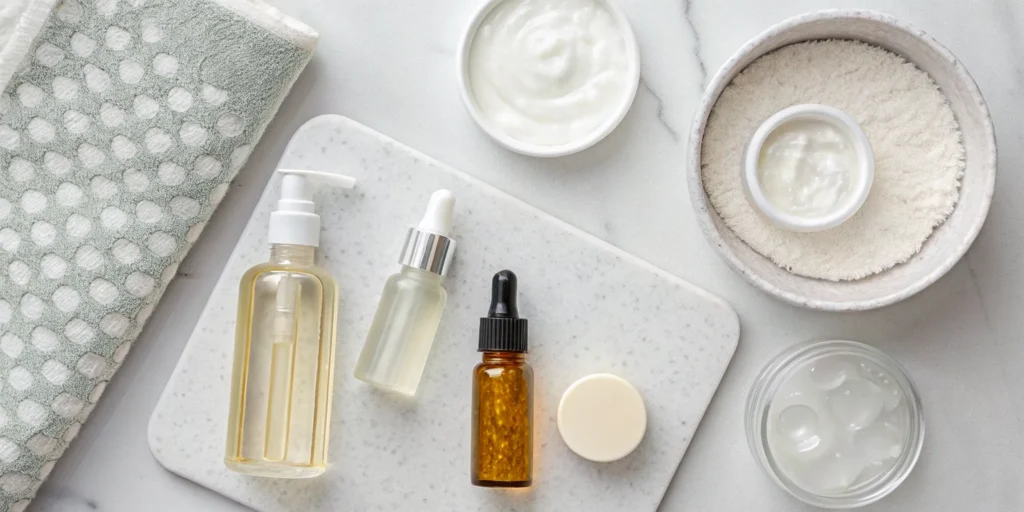
The world of skincare ingredients can feel overwhelming, but you only need to focus on a few key players that are proven to work. Ingredients like retinoids, vitamin C, and azelaic acid each have a unique way of targeting discoloration. Some speed up cell turnover to shed pigmented skin, while others inhibit the very process that creates excess melanin in the first place. Finding the right combination for your skin is a crucial step in your treatment plan. We can help you build a personalized routine during a consultation at our Sewickley med spa.
Hydroquinone
You’ve likely heard of hydroquinone, as it’s one of the most well-known ingredients for skin lightening. It works by actively blocking the enzyme responsible for producing melanin, which helps fade dark spots and create a more even skin tone. It’s a powerful ingredient that is often considered a gold standard for treating hyperpigmentation.
Because of its strength, hydroquinone is often available in prescription concentrations. It’s important to use it under the guidance of a professional who can monitor your progress and ensure you’re using it safely and effectively. A provider can recommend the right concentration and duration of use to give you the best results without causing irritation or other side effects. This common lightening agent is a fantastic tool when used correctly.
Retinoids
Retinoids are true skincare superstars, celebrated for their ability to address everything from fine lines to acne. For PIH, their main benefit is their power to accelerate cell turnover. Think of it as gently speeding up your skin’s natural renewal process. This helps the pigmented cells on the surface shed more quickly, revealing the fresh, evenly-toned skin underneath.
Topical retinoids like tretinoin are highly effective, but they can be potent. If you’re new to them, it’s wise to start slowly, perhaps using the product just a few nights a week and gradually increasing frequency as your skin adapts. This approach helps you get all the benefits of shedding excess pigment without the potential for dryness or irritation.
Azelaic Acid
If you have sensitive or acne-prone skin, azelaic acid might just become your new best friend. This gentle acid is a fantastic multi-tasker. It not only helps lighten existing areas of hyperpigmentation but also has anti-inflammatory and antibacterial properties that can help manage the acne that may have caused the PIH in the first place.
Many people find that azelaic acid is much better tolerated than some other active ingredients, like retinoids. It works by slowing down melanin production in the most overactive pigment cells without affecting normally pigmented skin. This makes it a great option for gently and effectively treating acne and lightening PIH at the same time, leading to a clearer, more even complexion.
Vitamin C
Think of Vitamin C as your skin’s daily dose of brightness and protection. This powerful antioxidant is famous for its ability to give your skin a radiant glow. When it comes to PIH, it works as a brightening agent by interfering with pigment production, which helps to fade the appearance of dark spots over time.
Beyond its brightening benefits, Vitamin C also helps defend your skin against environmental stressors like UV rays and pollution, which can worsen hyperpigmentation. It’s a perfect ingredient for your morning skincare routine. Applying a Vitamin C serum before your daily sunscreen gives your skin an extra layer of protection while working to even out your skin tone.
Niacinamide
Niacinamide is another wonderfully versatile ingredient that is well-loved for being both effective and gentle. Also known as vitamin B3, it helps reduce the transfer of pigment within your skin cells, which can visibly improve the appearance of dark spots and lead to a more uniform skin tone. It’s a great team player and can be easily incorporated into almost any skincare routine.
One of the best things about niacinamide is that it does more than just brighten. It also helps strengthen your skin’s natural barrier, improve hydration, and calm inflammation. This makes it an excellent choice for anyone dealing with PIH, as it supports overall skin health while targeting discoloration. Its gentle nature means it’s suitable for most skin types, including those with sensitive skin.
Cysteamine Cream
If you’re looking for a powerful and modern approach to treating hyperpigmentation, cysteamine cream is an exciting option. This ingredient is a newer alternative to hydroquinone and has shown impressive results in fading stubborn dark spots. It works by inhibiting multiple steps in the pigment production pathway, making it highly effective for various types of hyperpigmentation, including PIH.
Cysteamine is particularly noted for its effectiveness and safety profile, especially for skin of color, which can be more prone to hyperpigmentation. As a newer but potent option, it represents the cutting edge of topical treatments. If you feel like you’ve tried everything for your dark spots, cysteamine cream might be the breakthrough ingredient your routine has been missing.
In-Office Treatments for PIH
While a consistent at-home routine is your foundation, sometimes you need to bring in the experts to see significant changes in your skin. Professional treatments can speed up the process of fading post-inflammatory hyperpigmentation by working on a deeper level than topical products can reach. These services are especially helpful for stubborn spots that just don’t seem to budge.
The key to success with in-office treatments is ensuring they are performed by a skilled and experienced provider. PIH can be a tricky condition; the wrong treatment or technique can sometimes make dark spots worse, especially on certain skin tones. That’s why a thorough consultation is always our first step. We’ll analyze your skin and discuss your goals to create a personalized plan that safely and effectively targets your pigmentation. At Your Skin Prescription, we combine our expertise with advanced technology to give you the best possible results in a relaxing, supportive environment.
Chemical Peels
A chemical peel is a fantastic option for accelerating skin cell turnover and lifting away discoloration. During this treatment, a medical aesthetician applies a specialized solution to your skin, which works to exfoliate the outermost layers where excess melanin has accumulated. As the old, pigmented skin peels away, it reveals a brighter, more even-toned complexion underneath.
Because peels come in various strengths and formulations, it’s crucial to have a professional select the right one for you. A peel that is too aggressive can cause irritation and potentially worsen PIH. An experienced provider will choose a gentle yet effective peel that suits your skin type and sensitivity, ensuring a controlled process that encourages healing and renewal without causing further inflammation.
Laser Treatments
Laser treatments offer a more targeted approach to breaking down hyperpigmentation. These devices work by sending concentrated beams of light energy into the skin, which are absorbed by the excess melanin in the dark spots. This energy shatters the pigment into tiny particles, which your body’s natural processes then clear away over the following weeks. The result is a gradual fading of the unwanted spots.
Just like with chemical peels, the type of laser and the skill of the person operating it are incredibly important. Using the wrong settings or an inappropriate laser for your skin tone can be risky. Our providers are highly trained in using advanced laser technology to safely treat PIH on a wide range of skin types, ensuring the energy targets only the pigment without harming the surrounding tissue.
Microneedling
Microneedling, also known as collagen induction therapy, is another powerful tool for correcting PIH and improving overall skin health. This procedure uses a device with fine, sterile needles to create tiny, controlled micro-injuries in the skin. These micro-channels trigger your skin’s natural healing response, which includes stimulating collagen production and, importantly, helping to break up and disperse clusters of pigment.
As your skin repairs itself, it remodels from the inside out, replacing pigmented cells with fresh, new ones. This process not only helps fade dark spots but also improves skin texture and firmness. For even better results, we can combine microneedling with targeted serums that penetrate deeper into the skin through the micro-channels. Consistent treatments are key, which is why many of our clients find our med spa memberships helpful for staying on track.
Why Sunscreen Is Your Best Friend for PIH
If you’re serious about fading post-inflammatory hyperpigmentation, think of sunscreen as the most important step in your routine. It’s the foundation upon which every other treatment is built. Without daily sun protection, any progress you make with serums, peels, or laser treatments can be quickly undone. Think of it this way: you can use the best brightening ingredients in the world, but if you walk out into the sun unprotected, you’re essentially telling your skin to create more of the very pigment you’re trying to reduce. It’s a frustrating cycle of one step forward, two steps back.
Consistent sunscreen use is your primary defense. It prevents existing dark spots from getting darker and allows your skin the space it needs to heal properly. UV exposure triggers melanin production, which is why sun protection is non-negotiable for managing PIH. By making a high-quality, broad-spectrum sunscreen a daily habit, you are actively helping your skin recover and preventing new spots from becoming a long-term concern. It’s the single most effective thing you can do to support your skin’s journey back to an even, radiant tone. It protects your investment in other treatments and ensures you see the best possible results from your efforts.
How the Sun Makes Dark Spots Darker
When your skin is inflamed from acne, a scratch, or a rash, it sends pigment-producing cells (melanocytes) into overdrive as part of the healing process. This is what creates the dark spot in the first place. When that healing skin is exposed to the sun’s UV rays, it receives a signal to produce even more melanin. This exposure can significantly exacerbate the pigmentation, making those light brown or pink marks turn a deeper, more stubborn shade of brown. Daily sun protection acts as a shield, blocking those signals and giving your skin a chance to heal without the sun making matters worse.
How to Choose and Apply Your SPF
Choosing the right sunscreen is key. Look for a “broad-spectrum” formula, which means it protects you from both UVA (aging) and UVB (burning) rays. For daily use, an SPF of 30 is the minimum, but for treating PIH, it’s wise to use an SPF of 50+ on affected areas to give your skin maximum protection. Apply it generously every single morning as the last step of your skincare routine, even if you’re staying indoors or it’s a cloudy day. If you’re outside for an extended period, remember to reapply every two hours.
Beyond Sunscreen: Hats, Shade, and More
Sunscreen is your first line of defense, but it works best as part of a complete sun protection strategy. Think of physical barriers as your backup. Wearing a wide-brimmed hat when you’re walking outside or sitting on a patio provides an excellent physical shield for your face. Sunglasses protect the delicate skin around your eyes, and seeking shade during the sun’s peak hours (typically 10 a.m. to 4 p.m.) can dramatically reduce your overall UV exposure. These simple habits provide additional protection and support the hard work your sunscreen and other treatments are doing.
Lifestyle Habits to Help Heal Your Skin
While professional treatments can dramatically speed up your progress, the small things you do every day are just as important for healing post-inflammatory hyperpigmentation. Think of your lifestyle habits as the foundation that supports all the work you and your provider are doing. By creating a skin-friendly environment inside and out, you give your skin the best possible chance to repair itself and reveal a clearer, more even complexion. It’s all about combining powerful treatments with consistent, gentle care at home.
Create a Gentle Skincare Routine
When you’re dealing with dark spots, it’s tempting to throw every strong acid and scrub you can find at your skin, but this often does more harm than good. Aggressive treatments can lead to more irritation and inflammation, which is the very thing that causes PIH in the first place. Instead, focus on a gentle, supportive routine. This means no picking or scratching at spots, no matter how tempting it is. Use a mild cleanser and incorporate products with proven ingredients like retinoids or vitamin C to encourage cell turnover and brighten skin over time. And, of course, daily sunscreen is non-negotiable to protect your skin and prevent spots from darkening. Committing to a consistent, professionally guided routine through a med spa membership can help you stay on track and ensure you’re using the right products for your skin’s evolving needs.
Stop Inflammation in Its Tracks
You can’t effectively treat PIH if the underlying issue causing it is still active. It’s like trying to mop up a spill while the faucet is still running. If acne, for example, is the original culprit behind your dark spots, getting breakouts under control has to be your first priority. Ongoing inflammation will only create new spots, leaving you in a frustrating cycle. This is where it’s so important to work with a provider who can help you identify and treat the source of the inflammation. By calming your skin and addressing the root cause, you create a clear path for healing. Once the inflammation is managed, the treatments you use for the existing hyperpigmentation will be much more effective.
How Diet and Hydration Affect Your Skin
While there isn’t a magic diet that will make PIH vanish overnight, what you eat and drink absolutely plays a supporting role in your skin’s health. Your skin is your body’s largest organ, and it needs the right nutrients to function properly and repair itself. Staying well-hydrated helps keep your skin plump and resilient. A balanced diet rich in antioxidants, found in foods like leafy greens, berries, and colorful vegetables, can help protect your skin from environmental stressors and support its natural healing processes. Think of it as nourishing your skin from the inside out. These healthy habits contribute to your overall well-being, which will always be reflected in your skin’s appearance and its ability to recover.
Setting Realistic Timelines for Fading PIH
I know it’s the answer no one wants to hear, but when it comes to fading post-inflammatory hyperpigmentation, patience truly is a virtue. Seeing those dark spots linger after a breakout has cleared is frustrating, and it’s natural to want them gone yesterday. However, healing your skin is a process, and setting realistic expectations from the start is the key to staying motivated and not giving up.
The timeline for fading PIH can range from a few months to over a year, and it’s different for everyone. Several factors, from your skin’s unique characteristics to the treatments you choose, play a significant role in how quickly you’ll see results. Understanding these variables will help you appreciate the journey and celebrate the small wins along the way.
What Influences Your Results?
Your personal timeline for fading PIH depends on a few key things. The most significant factor is the depth of the pigmentation. When the excess melanin is in the epidermis (the top layer of skin), the spots are often lighter brown and tend to fade within 6 to 12 months with consistent care. However, if the pigment is in the dermis (the deeper layer), the spots can appear blue-gray and may take much longer to resolve, sometimes becoming permanent. This is why a combined treatment approach is often the most effective strategy, as it can target pigmentation at different levels. Your skin tone and type also play a part in how your skin responds to both the initial inflammation and the subsequent treatments.
The Importance of Patience and Consistency
When you’re eager for clear skin, it’s tempting to throw everything at the problem at once. But going too hard with treatments can backfire by causing more irritation and inflammation, potentially making your PIH worse. The best approach is slow and steady. Consistency with your gentle skincare routine, especially daily sunscreen application, is non-negotiable. Without it, even the most advanced treatments won’t be as effective, and your dark spots can easily return or darken with sun exposure. The best way to handle this process is to work with a professional who can assess your skin and create a personalized, effective plan that won’t overwhelm you or your skin.
When to See a Professional for PIH
While a solid at-home routine is a great starting point, sometimes you need to call in the experts. If you’ve been trying to manage your dark spots without seeing the results you want, or if the spots are particularly dark and widespread, it’s probably time to schedule a consultation. A professional can give you a definitive diagnosis, ensuring what you have is actually post-inflammatory hyperpigmentation and not another condition like melasma, which requires a different approach.
Most importantly, if the original issue that caused the inflammation is still active, like ongoing acne breakouts or a flare-up of eczema, that needs to be addressed first. A provider can help you get the underlying condition under control, which is the key to preventing new spots from forming. Think of it this way: you can’t clean up a spill while the leak is still going. A professional will create a personalized treatment plan that tackles both the cause and the spots, saving you from the frustrating cycle of trial and error with over-the-counter products. This tailored strategy is the most direct path to clearer, more even-toned skin.
What to Expect During Your Consultation
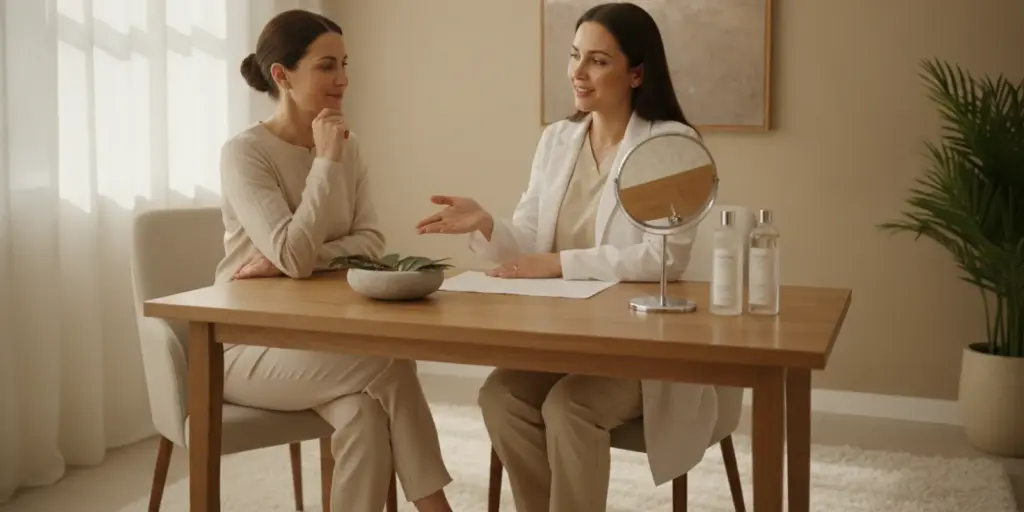
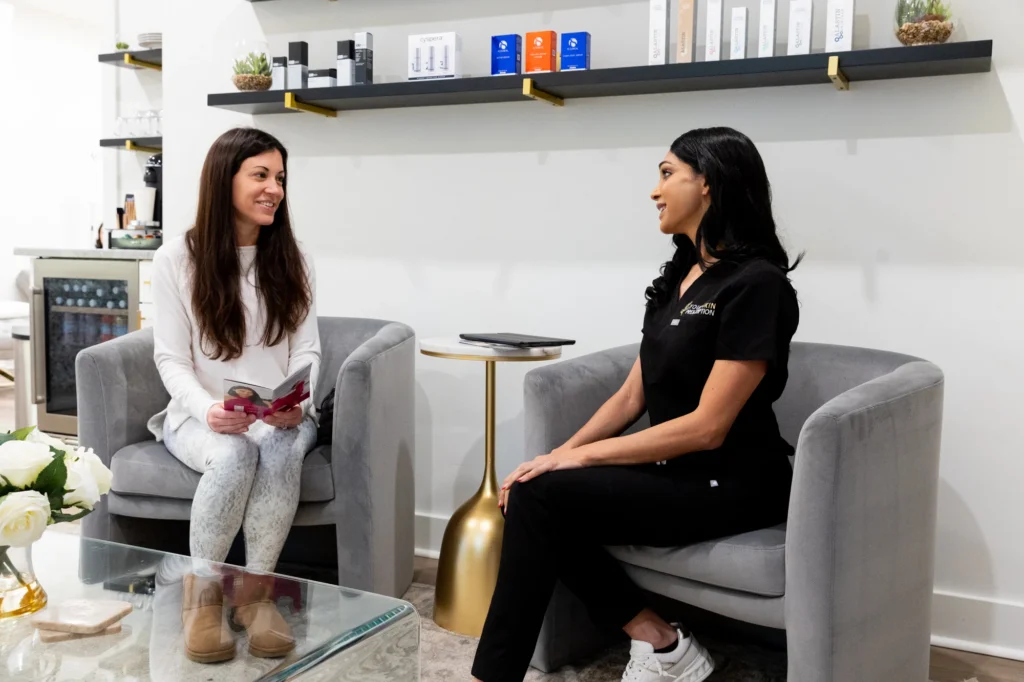
Walking into a consultation can feel a little nerve-wracking if you don’t know what to expect, but it’s really just a conversation focused entirely on you and your skin. Your provider will start by chatting with you about your skin history, your current routine, and any past skin injuries or conditions. They’ll want to get a full picture of your skin’s health and your lifestyle.
Next, they will perform a thorough skin examination, likely using a magnifying lamp to get a closer look at the areas of concern. This helps them assess the depth and severity of the hyperpigmentation. In some cases, if the diagnosis isn’t immediately clear, your provider might suggest a small skin sample, or biopsy, to confirm it. This ensures your treatment plan is perfectly matched to your skin’s needs.
How Your Skin Prescription Can Help
At Your Skin Prescription, we see you and your skin as unique. After your initial consultation, we’ll design a custom treatment plan just for you. For mild PIH, we might start with powerful topical treatments that contain ingredients like retinoids or vitamin C to gently fade discoloration. For more stubborn spots, we can incorporate advanced in-office treatments to accelerate your results.
Our medical aestheticians may recommend a series of chemical peels to exfoliate the top layers of skin and reveal a brighter, more even complexion underneath. Laser treatments and microneedling are also fantastic options for breaking up pigment and stimulating collagen for healthier, more resilient skin. We believe in a combined approach, pairing professional treatments with a supportive homecare routine to help you achieve your goals in our calm and pampering environment.
Related Articles
- 6 PRP Microneedling Benefits for Glowing Skin
- 3 Best Sunscreen Brands for Laser Treatment Care
- Pain-Free Aesthetic Treatments: What Are My Options?
.cta-btn{display:inline-block!important;padding:12px 32px!important;font-size:16px!important;font-weight:500!important;text-decoration:none!important;color:#4a4a4a!important;background-color:#fff!important;border-radius:40px!important;border:none!important;transition:all .3s ease-in-out!important}.cta-btn:hover{background-color:#f5f2eb!important;color:#6c6c5f!important}
Frequently Asked Questions
Is post-inflammatory hyperpigmentation a type of scar? This is a great question because the terms are often used interchangeably, but they are different. PIH is a flat spot of discoloration left behind after inflammation, not a change in skin texture. Scars, on the other hand, involve changes to the skin’s texture, creating either a raised area or a depression. While PIH can be stubborn, it’s a pigment issue, which means it can often be faded completely with the right care.
I have a darker skin tone. Are treatments like chemical peels and lasers safe for me? It’s smart to be cautious, as some treatments can pose risks for skin of color if not performed correctly. However, when you are in the hands of a skilled provider, treatments like chemical peels and lasers can be very safe and effective. The key is working with someone who understands the nuances of treating melanated skin. They will select specific types of peels or use particular laser settings that target pigment without causing irritation or further hyperpigmentation.
How long will it actually take to see my dark spots fade? The timeline really depends on the depth of the pigment and your consistency with treatment. Surface-level spots might fade in a few months with a good at-home routine and sun protection. Deeper spots can take much longer, sometimes up to a year or more, and often require professional treatments to see significant improvement. Patience and consistency are your best tools; sticking to your plan, especially with daily sunscreen, is what will get you to the finish line faster.
Can I just use at-home products, or do I really need professional treatments? You can definitely make progress with a dedicated at-home routine, especially if your PIH is mild and new. Consistent use of ingredients like retinoids, vitamin C, and azelaic acid can make a noticeable difference. However, if your spots are dark, widespread, or have been around for a long time, professional treatments can accelerate your results significantly. A combined approach, pairing home care with in-office procedures, almost always delivers the clearest, most even-toned skin in the long run.
What is the most important thing I can do to prevent PIH from happening in the first place? The best preventative strategy is to manage inflammation. Since PIH is a response to skin injury or irritation, stopping the source is key. This means getting acne under control with a targeted routine and, most importantly, resisting the urge to pick or pop pimples. Treating inflammatory skin conditions like eczema promptly also helps. By minimizing the initial inflammation, you significantly reduce the chances of a dark spot being left behind.

Rain Hoffmann is the founder of Your Skin Prescription, a modern med spa in Sewickley, PA. With a passion for advanced skincare and aesthetics, she specializes in Korean facials, medical facials, laser treatments, and results-driven skin care. Rain is dedicated to providing a pampering, stress-free experience in an elegant and welcoming environment.