
A stunning chemical peel before and after is about more than a single treatment; it’s a process. The most beautiful, lasting results depend just as much on what you do before and after your appointment. Proper preparation and dedicated aftercare are what truly make the difference. From your initial consultation to your long-term care plan, every step is designed to ensure your skin heals beautifully. We’re here to guide you through the entire timeline, so you can understand what makes a peel successful and feel fully prepared for your own skin renewal.
.cta-btn{display:inline-block!important;padding:12px 32px!important;font-size:16px!important;font-weight:500!important;text-decoration:none!important;color:#4a4a4a!important;background-color:#fff!important;border-radius:40px!important;border:none!important;transition:all .3s ease-in-out!important}.cta-btn:hover{background-color:#f5f2eb!important;color:#6c6c5f!important}
Key Takeaways
- Start with a solid plan: The best chemical peel results come from a professional consultation to determine the right peel for you, followed by a specific at-home prep routine to get your skin ready for treatment.
- Trust the healing process: Expect some redness and peeling as your skin renews itself. The most important rule is to let your skin shed naturally, so avoid picking or scrubbing to prevent irritation and achieve smooth, even results.
- Protect your investment with smart aftercare: Maintaining your glow is all about hydration and sun protection. A gentle moisturizer and a daily broad-spectrum sunscreen are the two most important tools for keeping your new skin healthy and radiant.
Ready for a Chemical Peel? Here’s How to Prep
A great chemical peel experience starts long before you step into the treatment room. Proper preparation is the secret to achieving that beautiful, even glow and ensuring your skin heals smoothly. Think of it as setting the stage for your skin’s big reveal. By working with a professional and following a few key steps at home, you can make sure your skin is perfectly primed for the best possible results.
Is a Chemical Peel Right for You?
Who Should Avoid Chemical Peels
While a chemical peel can be a game-changer for many, it’s not the right fit for everyone. Your safety and results are the top priority, which means being honest about your health and skin history. For instance, if you’ve taken certain acne medications like isotretinoin within the last six months, it’s best to wait. According to the Mayo Clinic, this can increase the risk of irritation. The same goes for anyone with a personal history of raised scars (keloids) or if you are pregnant. Additionally, it’s important to know that darker skin tones can sometimes have a higher risk of post-inflammatory hyperpigmentation, which is a temporary darkening of the skin. This is a possibility that the Cleveland Clinic discusses, and while it doesn’t rule out a peel, it does mean the approach must be carefully considered with a professional. A thorough consultation is the best way to discuss your history and find the safest, most effective path for your skin.
What to Expect at Your Consultation
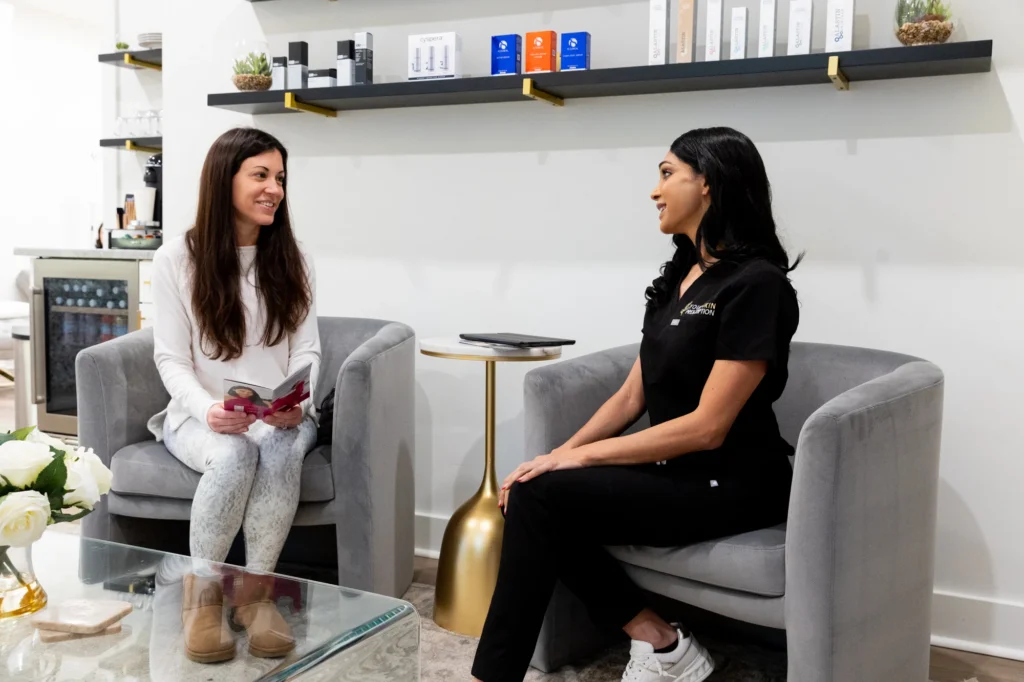
Your journey to refreshed skin should always begin with a thorough consultation. Because chemical peels are not a one-size-fits-all solution, a personalized skin assessment with a licensed medical aesthetician is essential. During your visit, we’ll discuss your skin concerns, goals, and history to determine the right type and strength of peel for you. This is your time to ask questions and get comfortable with the process. To get safe and effective results, chemical peels should always be performed by a skin expert who can create a customized treatment plan just for you.
Your Pre-Treatment Skincare Checklist
Once we’ve designed your treatment plan, you’ll get a little pre-peel homework. Your provider might recommend a specific skincare routine for a few weeks leading up to your appointment. This often includes using gentle products to strengthen your skin barrier. You’ll also need to pause your use of certain products, like strong exfoliants or retinoids, about five to seven days before your peel. This simple prep work helps the chemical solution penetrate your skin evenly and minimizes the chance of irritation, making your treatment as effective and comfortable as possible.
Pre-Peel Skincare Regimen
To ensure your skin is perfectly prepped, you’ll need to make a few temporary adjustments to your daily routine. About a week before your appointment, it’s time to simplify. You should stop using any products containing active ingredients like retinoids, alpha-hydroxy acids (AHAs), and beta-hydroxy acids (BHAs). This includes things like glycolic acid, salicylic acid, and any manual exfoliants or scrubs. Giving your skin a break from these potent ingredients helps prevent over-exfoliation and ensures your skin barrier is strong and ready for treatment. Instead, focus on gentle cleansing, deep hydration, and moisturizing to keep your skin calm and resilient. Consistent, professional care makes this process even smoother, and a med spa membership can help maintain your skin’s health between treatments.
Lifestyle Adjustments Before Your Peel
Great results also depend on a few lifestyle tweaks in the days leading up to your chemical peel. Sun protection is the most important rule; you must avoid direct sun exposure and tanning beds for at least two weeks prior, as a peel cannot be performed on sun-damaged or burned skin. Be sure to apply a broad-spectrum sunscreen daily. You should also avoid any hair removal services like waxing, threading, or using depilatory creams on the treatment area for about a week beforehand to prevent extra sensitivity. Finally, pause any other professional skin treatments, stay hydrated by drinking plenty of water, and try to get good rest. These simple steps help create the ideal conditions for a safe, effective peel and a beautiful outcome.
What Results Can You Realistically Expect?
Patience is a virtue, especially when it comes to skincare. While you’ll notice a brighter complexion soon after healing, the most significant changes appear over time. Visible results typically emerge 7 to 14 days after your treatment, but the maximum transformation develops over the next six to eight weeks as new collagen builds. The goal is for your skin to look naturally healthier, not drastically different overnight. For long-term radiance, maintaining your results with a consistent skincare plan and considering a med spa membership can help you keep that glow going.
Setting Realistic Expectations: What Peels Can’t Do
While chemical peels are amazing for creating a smoother, more radiant complexion, it’s helpful to have a clear picture of what they can and can’t do. They work wonders on surface-level concerns like fine lines, sun damage, and certain types of acne scars. However, they aren’t designed to address every skin issue. For instance, chemical peels cannot remove very deep scars or wrinkles, and they won’t tighten skin that has lost its firmness. Knowing these limitations upfront is key to feeling happy with your results. A professional consultation will help clarify if a peel is the best approach for your unique skin goals or if another treatment might be a better fit.
Which Chemical Peel Is Right for You?
Not all chemical peels are created equal, and that’s a good thing. The best peel for you depends entirely on your unique skin goals, your concerns, and how much downtime you’re comfortable with. Think of it like a spectrum: on one end, you have a gentle refresh, and on the other, a total skin reset. During your consultation, your provider will analyze your skin and discuss your desired outcome to recommend the perfect match.
The main difference between peels is how deeply they penetrate the skin’s layers. They are generally grouped into three categories: light, medium, and deep. Each level is designed to target different issues, from dullness and fine lines to more significant texture problems and sun damage. Understanding what each type of peel can do will help you and your provider create a treatment plan that aligns perfectly with your expectations and lifestyle.
For a Gentle Glow: Light Peels
Often called a “lunchtime peel,” a light chemical peel is the perfect entry point if you’re looking for a quick refresh with almost no downtime. These peels work on the outermost layer of your skin, using gentle acids like alpha hydroxy acids (AHAs) to exfoliate away dead cells. This process helps improve minor texture issues, brighten a dull complexion, and create a smoother, more even tone. After the treatment, you might experience some mild redness or flaking for a day or two, but you can typically get right back to your routine. You can expect to see a healthy, subtle glow within about a week, making it a great option before a special event.
For More Noticeable Results: Medium Peels
If you’re looking to address more specific concerns like sun damage, noticeable fine lines, or shallow acne scars, a medium chemical peel might be your answer. This treatment reaches the outer and middle layers of the skin to remove damaged cells more effectively than a light peel. The recovery is a bit more involved; you can expect visible peeling for about three to five days, with your skin fully healing in about a week. The results are more transformative, revealing smoother, clearer, and more youthful-looking skin. It’s an excellent choice for anyone who wants a significant improvement and is okay with a few days of social downtime while their skin renews itself.
For a Dramatic Transformation: Deep Peels
A deep chemical peel offers the most dramatic results, but it also requires the most significant commitment to recovery. This intensive treatment penetrates the deeper layers of the skin to address severe issues like deep-set wrinkles, extensive sun damage, and scars. Because it’s such a powerful procedure, the healing process can take around two weeks, involving significant peeling, redness, and swelling. Deep peels can be applied to the entire face or used to spot-treat specific areas, like the lines around the mouth. This option is best suited for individuals who are looking for a major skin transformation and have the ability to plan for a longer recovery period at home.
Your Chemical Peel Appointment, Step by Step
Once you’re settled into our calm and comfortable treatment room, your provider will make sure you feel completely at ease. We’ll review the plan we created during your consultation and answer any last-minute questions you might have. Our goal is to make your experience as relaxing as it is effective. Think of this as dedicated time for you and your skin. We’ll handle all the details, so you can simply relax while we work on revealing your best skin yet. Your comfort and safety are our top priorities from the moment you walk in until you leave with your post-peel care plan in hand.
How Your Provider Applies the Peel
First, your provider will thoroughly cleanse your skin to remove any oils or impurities, creating a perfect canvas. Next, we’ll carefully apply the chemical solution to the treatment area. You might feel a warm or stinging sensation as the peel gets to work, which is completely normal. We’ll be right there with you, monitoring your skin and ensuring you’re comfortable throughout the entire process. Most cosmetic chemical peels are quite quick, with light peels often taking around 30 minutes. Once the treatment is complete, we’ll neutralize the peel and apply soothing products to calm your skin before you head home.
Protecting Your Skin and Eyes
Your safety is the top priority during any treatment. Before applying the chemical solution, your provider will carefully protect the delicate areas of your face, including your eyes, nostrils, and the corners of your mouth. This ensures the peel only works where it’s intended to. After the treatment, that same level of protection becomes your job. The new skin that emerges is very sensitive, especially to the sun. As the Mayo Clinic advises, daily sunscreen use is non-negotiable to shield your fresh skin from UV damage and preserve your beautiful results.
Understanding “Frosting”
During your peel, you might notice some areas of your skin turning a whitish color. This is a completely normal and expected reaction called “frosting.” It’s actually a helpful visual cue for your provider, as it indicates how deeply the peel is penetrating the skin. According to medical research, this whitening effect shows that the peel is effectively targeting the proteins in your skin cells to begin the renewal process. Seeing this simply means the treatment is working exactly as it should, and your provider will be monitoring it closely to ensure a controlled and even result.
Special Considerations for Deep Peels
If you and your provider decide on a deep peel, it’s important to understand that this is a more intensive procedure with a longer recovery. Because this treatment reaches the deeper layers of the skin to correct significant concerns, it requires a more involved healing process at home. Your provider will discuss the entire timeline with you during your consultation, making sure you feel fully prepared for the downtime. This level of peel is always performed by a highly trained medical professional who will ensure your comfort and safety throughout the appointment, managing the process to deliver a truly transformative outcome.
What Does a Chemical Peel Feel Like?
Immediately after your appointment, your skin will likely look a bit pink or red, similar to a mild sunburn. You may also feel some tightness or tingling, which are signs that the peel is stimulating your skin’s renewal process. Over the next few days, you’ll start to see some flaking or peeling as the old, damaged skin begins to shed. For many people, the most significant peeling happens around days three and four. It’s tempting to pick at it, but it’s so important to let your skin shed naturally. This is the crucial phase where the magic happens, paving the way for the smoother, brighter results and timeline to come.
Your Day-by-Day Chemical Peel Recovery Guide
Knowing what to expect after your chemical peel can make the recovery process feel much more comfortable and straightforward. Your skin will go through a few distinct phases as it heals and reveals a smoother, brighter complexion. Think of this as your skin’s renewal cycle. While every person’s experience is unique, here is a general timeline of what you can anticipate as your skin begins to heal. Following your provider’s aftercare instructions is the most important step you can take to ensure beautiful, healthy results.
Days 1-3: What to Expect Right After Your Peel
During the first few days, it’s completely normal for your skin to look and feel like it has a mild sunburn. You might notice some redness, tightness, and a light tingling sensation. Your main job during this time is to be gentle with your skin and support its healing process. Avoid direct sun exposure as much as possible. You may see some areas begin to look patchy or darker, which is a sign that the peeling is about to begin. Keep your skin hydrated with the recommended moisturizer and protect it with a broad-spectrum SPF every single day. This is a great time to establish a consistent skincare routine, which can be maintained with our med spa memberships.
Bandaging and Ointment Application
For more intensive peels, your provider may apply a protective dressing to your skin immediately after the treatment. At home, your most important job will be to keep the area clean and consistently apply a recommended healing ointment. This isn’t just regular moisturizer; it’s a specialized product designed to create a protective barrier over your new, vulnerable skin. This barrier locks in moisture, prevents scabs from forming, and supports the healing environment. Following your provider’s specific instructions on how and when to apply the ointment is one of the most critical steps to ensure your skin heals beautifully and you get the smooth, even results you want.
Days 4-7: When the Peeling Begins
This is when the magic starts to happen. You’ll likely begin to see flaking and peeling, often starting around your mouth and chin before moving outward toward your jawline and hairline. The single most important rule during this phase is to not pick, pull, or scrub at the peeling skin. Letting it shed naturally is essential for preventing irritation, hyperpigmentation, or scarring. Your focus should remain on a simple routine: gently cleanse, moisturize, and apply sunscreen. This helps protect the delicate, new skin that is being revealed underneath. Resisting the urge to peel the skin yourself will ensure your final results are flawless.
Soaking and Cleansing Your Skin
Washing your face while it’s peeling can feel a little strange, but it’s an important step for keeping your skin clean and healthy as it heals. The key is to be incredibly gentle. When you cleanse your skin, use only lukewarm water and the mild, non-exfoliating cleanser your provider recommended. Apply it with just your fingertips in soft, circular motions. This is definitely not the time for washcloths, scrubs, or cleansing brushes, as they can be too abrasive on your delicate new skin. After rinsing, gently pat your face dry with a clean, soft towel—no rubbing allowed. This simple, delicate approach supports your skin’s natural shedding process and helps prevent any irritation, ensuring the beautiful new skin underneath is protected as it emerges.
Week 2 and Beyond: Hello, Glowing Skin!
By the second week, the majority of the peeling should be complete. Your skin will start to feel much smoother, and you’ll begin to see a more even tone and a healthy glow. Continue with your gentle aftercare routine until all the flaking has stopped. Once your skin feels back to normal, you can slowly and carefully reintroduce your regular skincare products and makeup. The team at Your Skin Prescription is always here to guide you on the best long-term plan to maintain your gorgeous results. Now is the time to enjoy your refreshed, radiant complexion.
When Will You See Your Chemical Peel Results?
After the initial healing and peeling phase, the moment you’ve been waiting for arrives: seeing your fresh, revitalized skin. While patience is key, understanding the timeline and the factors that influence your outcome will help you appreciate the process. Your skin’s transformation doesn’t happen overnight, but the glowing results are well worth the wait. Think of it as a journey, with each day bringing you closer to the smooth, radiant complexion you’re working toward.
A Realistic Timeline for Results
The first signs of change typically appear within one to two weeks after your treatment. This period often starts with a few days of redness and flaking as your skin sheds its outermost layer. Don’t worry, this is completely normal. This peeling process, which usually lasts from day two to day seven, is your skin’s way of making room for the new, healthy cells underneath. Once the peeling subsides, you’ll begin to see smoother, more radiant skin. The most significant and lasting results will continue to develop, with the final outcome often becoming fully visible around six to eight weeks post-treatment.
How to Get the Best Possible Outcome
Your final results depend on a few key things. First, the type and strength of the peel your provider selects will determine the depth of treatment and the drama of the transformation. For the most noticeable improvements, especially for concerns like sun damage or uneven texture, a series of three to six peels spaced four to six weeks apart is often recommended. How you care for your skin afterward also plays a huge role. Diligent sun protection is non-negotiable for preserving your results. Finally, working with a skilled provider who understands your unique skin tone and concerns ensures your treatment is both safe and effective.
Are There Side Effects to a Chemical Peel?
Knowing what to expect after your chemical peel is the key to a calm and successful recovery. Your skin will go through a dramatic renewal process, and some of the stages can look a little intense. But don’t worry, most of what you’ll see and feel is a completely normal part of the healing journey. Let’s walk through what’s typical and what signs mean it’s time to check in with your provider. This way, you can feel confident and prepared as your skin transforms.
What’s Normal (and What’s Not) After a Peel
It’s important to remember that a chemical peel is designed to remove the outer layers of skin. So, seeing some temporary changes is not only normal, it’s a sign that the treatment is working. Right after your appointment, you can expect some redness, tingling, or a mild aching sensation. Over the next few days, your skin will likely feel dry and begin to flake. The most significant peeling usually happens between days three and four. This is your body shedding old, damaged cells to make way for the fresh, smooth skin underneath. Think of it as the final step before your big reveal.
Changes in Skin Color
While rare, a chemical peel can sometimes cause changes to your skin’s pigment, making it either darker (hyperpigmentation) or lighter (hypopigmentation). According to the Mayo Clinic, this is more common in individuals with brown or black skin. This is precisely why a professional consultation is so important. A skilled provider will assess your skin type and history to select a peel that is safe and effective for you, significantly reducing the risk of unwanted pigment changes. Open communication about your skin’s tendencies helps ensure your results are even and beautiful.
Prolonged Redness, Blistering, and Crusting
After a medium or deep peel, some redness, swelling, and flaking are expected parts of the healing process. However, in some cases, this redness can last longer than anticipated. The Cleveland Clinic notes that redness can persist for several months following more intensive peels. Blisters may also form, which then crust over as they heal. While this can be concerning to see, it’s a known part of a deeper skin renewal process. If you experience this, it’s crucial to stay in close contact with your provider and follow their aftercare instructions exactly to support proper healing.
Potential for Scarring or Infection
Scarring from a chemical peel is very rare, but it’s a potential risk that you should be aware of, especially with deeper peels. If it does occur, it’s typically on the lower part of the face. A peel can also trigger a bacterial, fungal, or viral infection. For example, if you’re prone to cold sores, the treatment could cause a flare-up. This is why it’s so important to share your complete medical history with your provider during your consultation. By understanding your background, we can take preventative measures to keep your skin safe and healthy throughout the entire process.
Risks Associated with Deep Peels
Deep peels are the most intensive type of chemical peel and are performed by a medical professional. They often use a chemical called phenol to achieve dramatic results. Because phenol can affect the heart, kidneys, and liver, it requires careful administration by a highly trained provider. To manage this risk, your provider will perform the peel in small, timed sections to limit your body’s exposure to the chemical. This careful, methodical approach is a critical safety measure that ensures the treatment is both effective and responsible, highlighting the importance of choosing a reputable and experienced med spa for such an advanced procedure.
When to Call Your Provider
While peeling and redness are part of the deal, certain symptoms are not. Your comfort and safety are the top priorities, so please contact our Sewickley med spa if you experience anything that feels off. Give your provider a call if you notice significant pain that doesn’t subside, any bleeding, or swelling that doesn’t improve after the first couple of days. Other potential issues to watch for include signs of an infection or the formation of new scars. Trust your instincts. If you’re ever concerned about how your skin is healing, we are always here to help guide you.
Common Chemical Peel Myths, Busted
Let’s clear the air about chemical peels. With so much information out there, it’s easy to get caught up in myths that create unrealistic expectations or unnecessary worry. The truth is, chemical peels are a fantastic, science-backed way to refresh your skin, but understanding how they actually work is key to a great experience. We’re going to walk through two of the most common misconceptions so you can feel confident and prepared for your treatment.
Myth: You’ll See Results Instantly
I know we all love instant gratification, but great skin is a journey, not a sprint. A chemical peel works by encouraging your skin to shed old, damaged layers and generate new, healthy cells. This process takes time. While you might notice an initial glow, the most visible improvements typically appear about 7 to 14 days after your treatment. The full, transformative results will continue to develop over the next several weeks. For the most significant and lasting changes, a series of treatments is often the best approach. Our med spa memberships are a great way to build a consistent plan for that naturally refreshed look.
Myth: If You Don’t Peel, It Didn’t Work
It’s easy to think that if your skin isn’t visibly flaking, the peel was a dud. This simply isn’t true. The amount of peeling depends on the type of peel and your individual skin. Lighter peels, for example, work on a more superficial level and may produce little to no visible peeling. Rest assured, the chemical exfoliation is still happening beneath the surface, stimulating cell turnover and renewal. When peeling does occur, it’s a normal part of the healing process. You can expect some dryness and flakiness for a few days, but it’s just your skin making way for a smoother, brighter complexion. Every treatment at Your Skin Prescription is tailored to your specific goals.
Making Your Chemical Peel Results Last
Getting a chemical peel is an exciting step toward your skin goals, but the treatment itself is only half the story. What you do in the days and weeks that follow is just as important for achieving that beautiful, lasting glow. Think of it this way: the peel does the heavy lifting by removing old, damaged skin, but your aftercare routine is what helps the fresh, new skin underneath heal properly and look its absolute best. Protecting this new skin is essential for seeing the results you’ve been hoping for and making them last.
This isn’t about a complicated or difficult routine. It’s about giving your skin the support it needs while it’s in a delicate state. Consider it the final, crucial step in your treatment, one that safeguards your investment and ensures you get the most out of your peel. By following a few key guidelines, you can help your skin recover smoothly, prevent complications like hyperpigmentation, and make sure your complexion stays healthy and radiant long after you leave our Sewickley med spa. The simple habits you build now will set the stage for gorgeous, long-term results and a complexion you feel truly confident in.
The Essential Post-Peel Skincare Routine
Your skin will be delicate after a peel, so it needs some extra TLC. The top priority is keeping it hydrated. Applying a gentle, high-quality moisturizer will soothe any tightness and give your skin the support it needs to heal beautifully. You’ll likely see some flaking or peeling, and while it’s tempting, please resist the urge to pick or pull at it. Let the skin shed on its own timeline to avoid any risk of scarring or uneven tone. Most importantly, listen to your provider. We will give you a set of personalized aftercare instructions designed specifically for your skin and the type of peel you received. Following this plan is the best way to ensure a smooth recovery.
Why Sunscreen Is Your New Best Friend
If there’s one non-negotiable rule of post-peel care, it’s this: protect your skin from the sun. Your fresh, new skin is incredibly sensitive to UV damage, and even a small amount of sun exposure can lead to hyperpigmentation and undo your beautiful results. For the first week, do your best to stay out of direct sunlight. After that, you must wear a broad-spectrum sunscreen with an SPF of 30 or higher every single day. And I mean every day, whether it’s sunny or cloudy, or you’re spending the day inside near a window. Making sunscreen an automatic part of your morning routine is the single best thing you can do to protect your investment.
Your Long-Term Plan for Healthy Skin
While a single chemical peel can create a gorgeous refresh, the most transformative and lasting changes often come from a series of treatments. Think of it as a long-term strategy for your skin’s health and radiance. We can work with you to create a treatment schedule that aligns with your specific goals. Sometimes, we might also recommend pairing your peels with other services or medical-grade skincare to get even better results. Consistency is what truly maintains that glow over time, which is why our med spa memberships are such a great option. They make it easy to stick to a professional skincare plan that keeps your skin looking its best all year round.
How Often Can You Get a Chemical Peel?
The ideal timing for your next chemical peel really depends on the strength of the treatment you received. Think of it this way: the deeper the peel, the more time your skin needs to fully heal and regenerate before it’s ready for another session. For light, superficial peels that offer a gentle refresh, you can often schedule them as frequently as every four to six weeks. This consistency is great for maintaining a bright complexion and addressing minor texture issues. However, for medium or deep peels that target more significant concerns, you’ll need to wait longer between appointments to allow for complete recovery. Your provider will create a personalized treatment schedule that aligns with your skin’s needs and your long-term goals, ensuring each peel builds on the success of the last one.
Understanding the Cost of a Chemical Peel
Investing in your skin is one of the best things you can do for your confidence, and it’s smart to have a clear picture of the costs involved. The price of a chemical peel isn’t a one-size-fits-all number; it can vary quite a bit based on a few important factors. Think of it less as a simple purchase and more as a personalized treatment plan designed just for you. Understanding what goes into the pricing will help you see the value in a professional treatment and plan for the beautiful, healthy skin you deserve.
Factors That Influence the Price
The most significant factor in the cost of a chemical peel is the type and depth of the treatment itself. A light, superficial peel that offers a gentle refresh will naturally be less expensive than a medium or deep peel designed for a more dramatic transformation. Deeper peels require more intensive ingredients, a higher level of provider expertise, and a more involved recovery process, all of which are reflected in the price. The experience of your provider and the location of the med spa also play a role. A treatment performed by a highly trained medical aesthetician in a premium setting ensures you receive the highest standard of care, which is a crucial part of the overall investment in your skin’s health and safety.
Is a Chemical Peel Covered by Insurance?
This is a common question, and the answer is usually straightforward. Because chemical peels are typically performed for aesthetic reasons—to improve the skin’s appearance, texture, and tone—they are considered cosmetic procedures. As a result, most health insurance plans do not cover the cost. These treatments are viewed as elective rather than a medical necessity. When planning for your chemical peel, it’s best to assume it will be an out-of-pocket expense. This allows you to budget accordingly and focus on choosing the best possible provider and treatment plan to achieve your specific skin goals without any surprises.
How to Find the Right Provider for Your Chemical Peel
A chemical peel is a powerful, science-backed treatment, and the success of your experience really depends on the hands it’s in. Finding the right provider isn’t just about getting amazing results; it’s about ensuring your safety and comfort throughout the entire process. This is a partnership, and you should feel completely confident in the person guiding your skin’s transformation. Think of your provider as your personal skin expert, someone who understands your goals and has the technical skill to get you there safely. The right professional will take the time to listen, assess your skin, and create a plan that’s tailored just for you. Feeling secure and understood is the first step toward achieving that beautiful, healthy glow you’re looking for.
Key Qualities of a Great Provider
When you start your search, focus on credentials and experience. You’ll want to find a licensed medical aesthetician or provider who specializes in advanced skin treatments like chemical peels. Don’t be shy about asking to see their portfolio of before-and-after photos from previous clients. It’s also a great idea to read reviews to get a sense of other people’s experiences. Pay attention to the environment of the med spa itself; it should be clean, professional, and make you feel at ease. Ultimately, the person performing your treatment should be someone you trust completely with your skin.
Key Questions to Ask at Your Consultation
Your consultation is the perfect time to get all your questions answered and make sure you and your provider are on the same page. A thorough consultation is a sign of a great professional, so come prepared with a list of things you want to know. Here are a few key questions to have ready:
- What type of chemical peel do you recommend for my specific skin concerns and why?
- How much experience do you have with this particular peel?
- What should I expect during the treatment and the recovery period?
- What pre- and post-care routine will I need to follow for the best results?
Asking these questions will help you feel prepared and confident in your treatment plan.
Related Articles
- The Ultimate Chemical Peel Price Guide
- Your Day-by-Day Chemical Peel Recovery Timeline
- How Long Does a Chemical Peel Take? Appt to Recovery
.cta-btn{display:inline-block!important;padding:12px 32px!important;font-size:16px!important;font-weight:500!important;text-decoration:none!important;color:#4a4a4a!important;background-color:#fff!important;border-radius:40px!important;border:none!important;transition:all .3s ease-in-out!important}.cta-btn:hover{background-color:#f5f2eb!important;color:#6c6c5f!important}
Frequently Asked Questions
How do I know which chemical peel is right for me? The best peel is always the one customized for your skin. This isn’t a one-size-fits-all treatment, so your journey will start with a conversation. During your consultation, a licensed medical aesthetician will assess your skin, discuss your goals, and consider your lifestyle to recommend the perfect strength for you, whether it’s a light, medium, or deep peel.
What does a chemical peel feel like? Most people describe the sensation as a temporary warmth, tingling, or mild stinging while the solution is on their skin. This is a sign that the active ingredients are working. Your provider will be with you the entire time to monitor your comfort, and the feeling typically subsides very quickly once the peel is neutralized at the end of the treatment.
How much social downtime should I plan for? The amount of downtime depends entirely on the strength of your peel. A light peel might leave you with a little redness for a day, but you can usually go right back to your routine. For a medium peel, you should plan for about three to five days of visible flaking and peeling. We’ll discuss the expected recovery during your consultation so you can schedule your treatment at a time that works for you.
What if my skin doesn’t peel very much after the treatment? This is a common concern, but visible flaking isn’t the only sign of success. The amount of peeling varies based on the peel’s intensity and your individual skin type. Even with minimal peeling, the chemical exfoliation is still happening on a cellular level, encouraging new cell growth and revealing a brighter complexion. The treatment is still working its magic under the surface.
What is the most important thing I can do to protect my results? Sunscreen is your absolute best friend after a chemical peel. Your new skin is very sensitive to UV rays, and protecting it is the single most effective way to maintain your results and prevent new sun damage or hyperpigmentation. A broad-spectrum SPF of 30 or higher should become a non-negotiable part of your daily routine.

Rain Hoffmann is the founder of Your Skin Prescription, a modern med spa in Sewickley, PA. With a passion for advanced skincare and aesthetics, she specializes in Korean facials, medical facials, laser treatments, and results-driven skin care. Rain is dedicated to providing a pampering, stress-free experience in an elegant and welcoming environment.