The term “chemical peel” can sound a little intense, but it’s one of the most effective and trusted treatments for transforming your skin. Far from a harsh, one-size-fits-all procedure, a modern peel is a highly controlled and customizable treatment tailored by a medical aesthetician to meet your specific goals. It works by applying a specialized solution that gently exfoliates the top layer of your skin, signaling your body to generate new, healthy cells. This process is the key to unlocking the incredible chemical peel benefits, from smoothing fine lines and clearing acne to fading stubborn sun spots, revealing a brighter and more even-toned complexion.
Key Takeaways
- Think of a peel as a targeted refresh: This professional exfoliating treatment works to improve a wide range of skin issues, including breakouts, hyperpigmentation, and uneven texture, by revealing healthier skin.
- A consultation is your essential first step: You don’t have to guess which peel is right for you; a discussion with a medical aesthetician is key to creating a personalized plan that safely targets your specific skin concerns.
- Aftercare and consistency are everything: While one peel offers a beautiful glow, a series of treatments creates more dramatic, long-term improvements. Following your aftercare plan, especially with daily sunscreen, is crucial for protecting your results.
What Is a Chemical Peel and How Does It Work?
If you’ve ever felt like your skin is stuck in a dull, tired phase, a chemical peel might be the reset you’re looking for. So, what exactly is it? Think of it as a powerful way to fast-forward your skin’s natural renewal process. At its core, a chemical peel is a professional treatment that uses a specialized solution to exfoliate the skin and remove the outermost layer of dead cells.
When one of our skilled medical aestheticians applies the solution, it works to dissolve the bonds holding those dull, damaged cells to the surface. This process encourages your body to bring forth the new, healthy skin that’s been waiting underneath. It’s a controlled and highly effective way to address a variety of skin concerns, from uneven texture to sun spots, by essentially revealing a smoother, brighter, and more radiant complexion. The intensity of the peel can be tailored specifically to you, which is why it’s one of the most versatile treatments for achieving that signature glow.
Light vs. Medium vs. Deep: What’s the Difference?
Not all chemical peels are created equal, and that’s a good thing. They are categorized by how deeply they penetrate the skin, which allows us to customize the treatment for your specific needs.
- Light Peels: Often called “lunchtime peels,” these are the gentlest option. They exfoliate only the epidermis (the outermost layer), making them perfect for tackling minor discoloration, rough texture, or acne with little to no downtime.
- Medium Peels: These peels reach a bit deeper, into the upper part of the dermis. They are more effective for treating noticeable concerns like deeper wrinkles, acne scars, and more significant sun damage. You can expect a few days of recovery as your skin renews itself.
- Deep Peels: As the name suggests, these are the most intensive peels, penetrating the deepest layers of skin to address severe sun damage and deep-set wrinkles. This type of peel requires a longer recovery period but delivers dramatic results.
How to Choose the Right Peel for Your Skin
With several options available, how do you know which peel is the one for you? The simple answer is: you don’t have to figure it out alone. The perfect peel depends on your unique skin type, your primary concerns, your lifestyle, and your ultimate skin goals. A consultation with an expert is the most important first step.
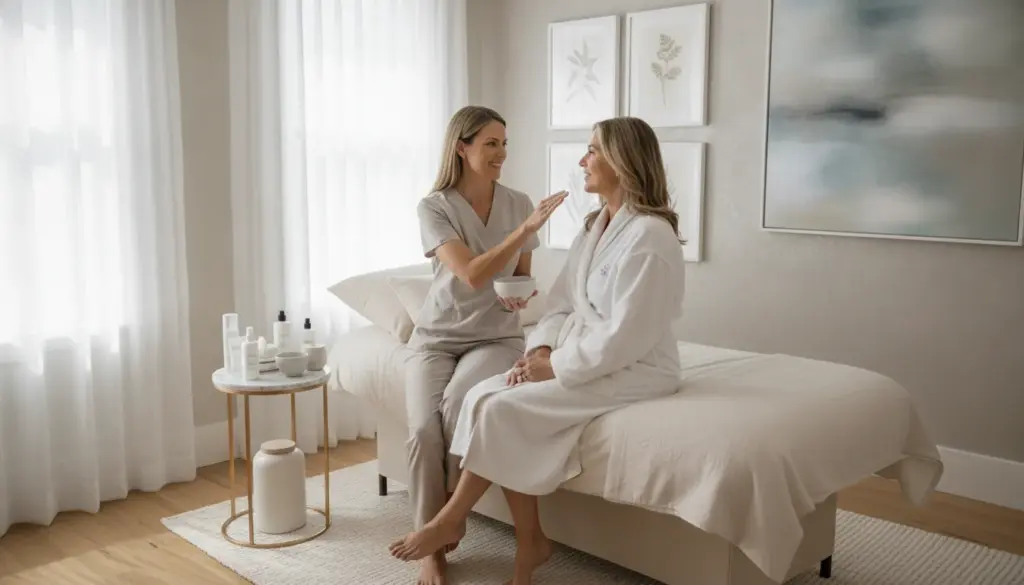
During your visit to Your Skin Prescription, one of our medical aestheticians will sit down with you to discuss your skin history and what you hope to achieve. We’ll analyze your skin and recommend a treatment plan that aligns with your needs, whether it’s a single treatment or a series of peels for long-term results. We can even discuss how treatments fit into our med spa memberships for ongoing skin health.
What Skin Concerns Can a Chemical Peel Address?
One of the best things about a chemical peel is its versatility. This single treatment can address a whole spectrum of skin concerns, making it a powerful tool for achieving a clearer, more radiant complexion. Whether you’re dealing with lingering breakouts, uneven tone from sun exposure, or the first signs of aging, there’s likely a peel that can help. By working to exfoliate the outer layers of skin, a peel encourages fresh, healthy cells to come to the surface. Let’s look at some of the specific concerns a professional chemical peel can improve.
Acne, Breakouts, and Scarring
If you’re struggling with active acne or the textured scars left behind, a chemical peel can be a game-changer. The specialized solutions used in a peel work to deeply exfoliate the skin and clear out congested pores. This process helps manage current breakouts and prevent new ones from forming. For acne scarring, peels are particularly effective because they trigger cell turnover and stimulate new collagen production. This helps to smooth the skin’s surface over time, making the texture of pitted or rolling scars much less noticeable and giving your skin a smoother, more refined appearance.
Hyperpigmentation and Sun Damage
Sun spots, dark patches, and general discoloration can keep your skin from looking its best. Chemical peels are fantastic for addressing these forms of hyperpigmentation. The acidic solution lifts away the discolored, melanin-heavy cells that sit on the skin’s surface, revealing a more even-toned complexion underneath. Peels can effectively fade sun spots, age spots, and even stubborn melasma. According to the American Academy of Dermatology, chemical peels are a proven method for treating blotchy skin and reducing dark spots, helping you restore clarity and brightness to your skin.
Fine Lines, Wrinkles, and Uneven Texture
Chemical peels are also a wonderful treatment for softening the signs of aging and improving overall skin texture. By promoting the production of skin-firming collagen, a peel can leave your face looking plumper and more youthful, which helps diminish the appearance of fine lines and wrinkles. Beyond wrinkles, peels are excellent for smoothing rough patches and creating a softer, more supple feel. If you want that coveted “glow,” a peel can help you get there by clearing away dull surface cells. For the best long-term results, consistent treatments through a med spa membership can make a significant difference.
What Are the Benefits of a Chemical Peel?
A chemical peel is one of the most effective ways to hit the reset button on your skin. By using a specialized solution to exfoliate the top layers, a peel can address a wide range of concerns all at once, revealing the healthier, more radiant skin hiding just beneath the surface. The benefits are both immediate and long-term, making it a go-to treatment for anyone looking to improve their skin’s overall health and appearance. Whether you want a quick refresh or a more significant transformation over time, a chemical peel offers a tailored solution.
Immediate Results After Your First Treatment
One of the best things about a chemical peel is the instant glow-up. After just one session, you’ll likely notice that your skin looks brighter and feels significantly smoother. This is because the peel works to remove the outermost layer of dead skin cells that can cause a dull, tired appearance. By clearing away this buildup, the treatment reveals the fresh, new skin underneath. This process helps to even out your skin tone and texture, giving you a refreshed and luminous look. It’s a perfect treatment to get a few weeks before a special event when you want your skin to look its absolute best.
Long-Term Improvements with Consistent Peels
While a single peel provides a beautiful refresh, the most transformative results come from consistency. For lasting improvements, especially for concerns like fine lines, persistent breakouts, or sun damage, a series of peels is the way to go. Scheduling treatments every four to six weeks allows your medical aesthetician to work on deeper layers of the skin over time. This cumulative effect helps stimulate collagen production, which is key for firm, youthful skin. Committing to a regular treatment plan, like with our med spa memberships, ensures you maintain and build upon your results for skin that keeps getting better.
Potential Side Effects and What to Expect
It’s helpful to know what to expect after your treatment so you can plan accordingly. It’s called a “peel” for a reason! Mild redness, dryness, and some light flaking are all normal signs that the peel is doing its job. These effects typically begin a few days after your appointment. You might feel a slight tingling or tightness right after the treatment, but this usually subsides quickly. Think of the peeling process as your skin shedding its old, damaged layer to make way for a fresh start. Following the post-care instructions from your provider is crucial for a smooth healing process and beautiful results.
Your Chemical Peel: Before, During, and After
Knowing what to expect from your chemical peel can make the entire experience feel more relaxing and rewarding. From prepping your skin to caring for it afterward, here’s a simple guide to your treatment journey. Following these steps helps you get the beautiful, glowing results you’re looking for.
How to Prepare for Your Peel
The best way to prepare for a chemical peel is to start with a conversation. During a consultation, your medical aesthetician will get to know your skin, listen to your goals, and help you choose the perfect peel. Based on your skin’s needs, they might ask you to pause using certain products, like retinoids or exfoliants, for a few days before your appointment. It’s also a good idea to be extra diligent with your sunscreen and avoid direct sun exposure. Think of it as creating the ideal canvas for your treatment, ensuring your skin is calm, healthy, and ready to receive all the benefits of the peel.
What to Expect During the Treatment
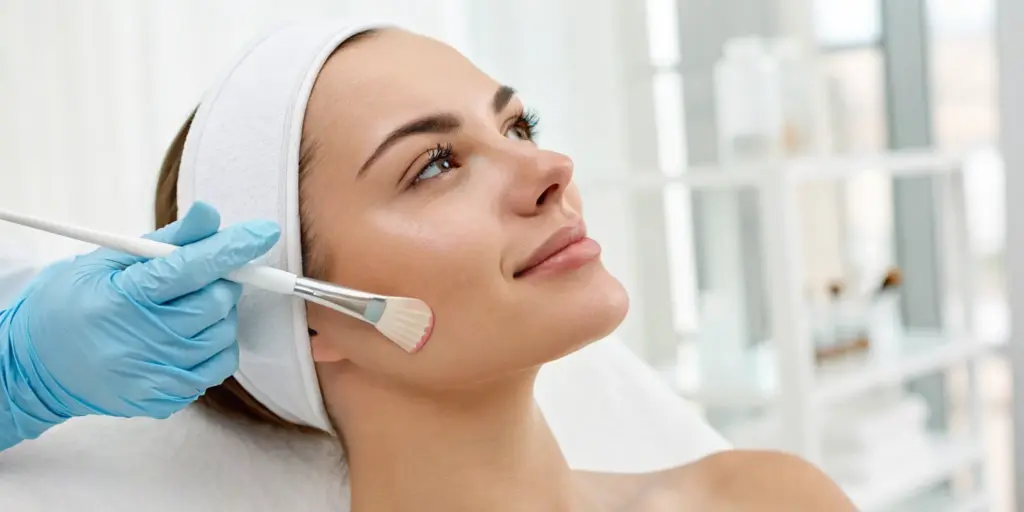
When you arrive for your appointment, we’ll make sure you’re comfortable and relaxed. Your provider will begin by thoroughly cleansing your skin to remove any makeup or oils. Next, they will apply the chemical solution carefully and evenly. You might feel a warm, tingling, or mild stinging sensation as the peel gets to work, but this is temporary. The solution stays on your skin for a specific amount of time before it’s neutralized and removed. The whole process is straightforward and is performed right in our serene treatment room, allowing you to simply lie back and let us handle the rest.
Post-Peel Aftercare for Optimal Healing
After your peel, your skin is in a delicate, regenerative state, so proper aftercare is essential. Your provider will give you a personalized plan, but some general rules apply. For the first 24 hours, it’s best to let your skin rest without applying other skincare products. After that, you’ll want to use a gentle moisturizer at least twice a day to keep your skin hydrated and support the healing process. Most importantly, you must apply sunscreen daily. Your new skin is very sensitive to the sun, and protecting it is key to maintaining your gorgeous results and preventing future damage.
Why a Professional Consultation Is Key
A professional consultation is the most critical step in your chemical peel journey. It’s where the personalization happens. A skilled provider will assess your skin type, its current condition, your lifestyle, and what you hope to achieve. This detailed analysis ensures you receive the right type of peel with the right strength for your specific concerns, whether it’s acne, sun damage, or fine lines. This tailored approach not only delivers better results but also ensures the treatment is safe and effective for you. It’s the foundation for a successful treatment and a long-term plan for radiant skin, which can be maintained through our med spa memberships.
A professional assessment can help determine which option is appropriate for your goals; explore our chemical peels in Sewickley to learn more.
Related Articles
Frequently Asked Questions
Does getting a chemical peel hurt? Most people describe the sensation as a temporary tingling, warmth, or mild stinging while the solution is on the skin. It’s not typically painful, and your medical aesthetician will be with you the entire time to ensure you are comfortable. The feeling subsides as soon as the peel is neutralized, so any discomfort is very brief.
How much downtime should I really expect? The amount of downtime depends entirely on the strength of the peel you receive. With a light peel, you might have some mild redness for a few hours but can usually return to your daily activities immediately. For a medium peel, you can expect a few days of redness, dryness, and flaking, so you might want to plan for a quiet weekend at home while your skin renews itself.
Will my skin actually peel off in big pieces? The name “chemical peel” can sound a bit dramatic, but the process is usually much gentler than you might think. Instead of your skin peeling off in sheets, you’ll more likely experience light flaking or shedding for a few days, similar to what happens after a mild sunburn. This is just your skin getting rid of the old, dull layer to reveal the fresh skin underneath.
How often do I need to get a chemical peel to see results? While your skin will look brighter and feel smoother after just one treatment, the best results come from consistency. For tackling specific concerns like acne scarring or hyperpigmentation, a series of peels spaced about four to six weeks apart is ideal. This allows us to safely work on deeper skin concerns over time and maintain that beautiful glow.
I have sensitive skin. Can I still get a chemical peel? Yes, you absolutely can. There are many gentle yet effective peels formulated specifically for sensitive or reactive skin types. The key is to have a thorough consultation with a skilled medical aesthetician first. They will analyze your skin and select a solution that will give you results without causing unnecessary irritation.